




Top-rated energy efficiency auditors.

Get matched with top energy efficiency auditors in Myrtle, MS

Enter your zip and get matched with up to 5 pros

Need a pro for your energy efficiency auditing project in Myrtle, MS?

Select your specific project to find the pro for you.

Find Energy efficiency auditors in Myrtle

Avatar for ADT Solar
ADT Solar
4.4(
111
)
Energy Audit - For BusinessHome Energy Audit

Serving Myrtle, MS and surrounding areas

In business since 2008

Free estimates

Warranties offered

"Rep. checked entire system. He found several wires not connected properly and fixed this. He also made recommendations regarding the attachment of the panels to the rood that would provide more stability and leakproofing. The representative appeared to know what he was doing - much better than others, including the representative who was engaged by the roofer (who replaced our rood due to hail damage) to disconnect/connect the panels."
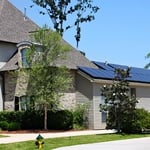
11 kW PV Installation
5 kW PV Installation
9.5 kW PV Installation
Recommended by89%of homeowners

STUNZ ELITE INSPECTIONS
New to Angi
Home Energy Audit

Serving Myrtle, MS and surrounding areas

With over three years of professional experience, I provide expert field inspection services across a wide range of locations. The areas I serve include Memphis, Germantown, and Collierville in Tennessee; Southaven and Horn Lake in Mississippi; and West Memphis in Arkansas. Additionally, I cover nearby communities such as Millington and Bartlett in Tennessee; Marion in Arkansas; Oxford in Mississippi; and Covington in Tennessee. I am also happy to consider additional locations as needed to best accommodate your needs. My expertise includes exterior property inspections, insurance loss assessments, FHA conveyance, property preservation, and comprehensive insurance policy reviews. Committed to accuracy and reliability, I strive to deliver detailed reports and outstanding client support, ensuring your investments are protected with integrity and professionalism.

Energy Efficiency Auditing questions, answered by experts

Yes, energy-efficient options such as LEDs and solar-powered lights are available. These alternatives consume less electricity, resulting in lower utility costs. They are also more environmentally friendly due to their reduced carbon footprint and longer lifespan.

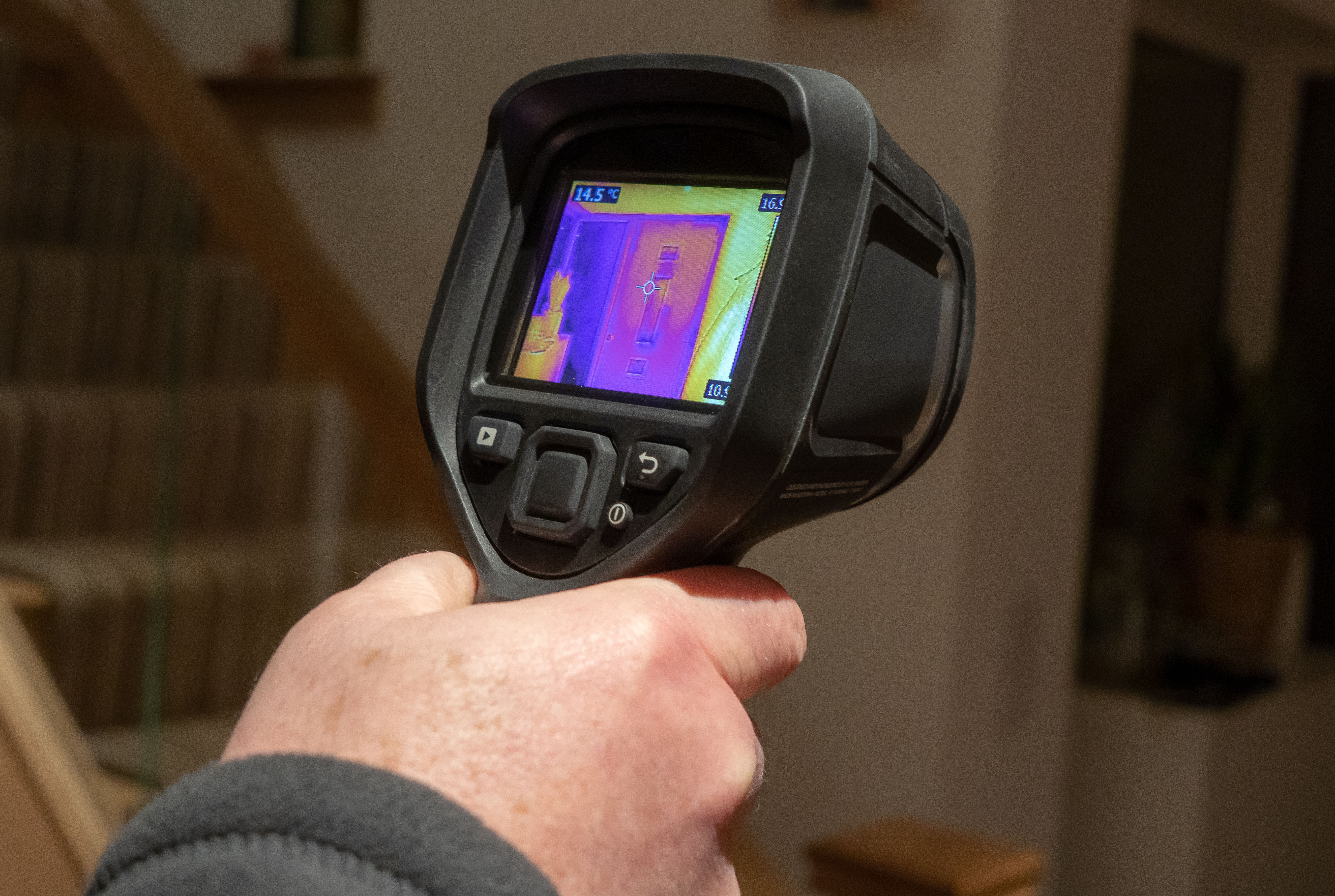
The difference between an energy auditor and a home inspector is primarily in the purpose of the inspection. The energy auditor conducts tests in your home to determine the energy efficiency levels in areas like windows, insulation, and doorways. The auditor then makes recommendations for ways to improve a home’s energy efficiency

A home inspector examines various structures of your home to determine that everything is up to code and gauge the condition of features like the roof, foundation, HVAC, and electrical. The home inspector reports on the overall home and makes repair recommendations.

To determine the right size generator for your house, you should calculate the total wattage of the appliances and devices you want to power during an outage. List all essential items, note their start-up wattages, and add them together.

Here are some typical wattage requirements for common appliances:

  • Refrigerator: 600 watts

  • Large dehumidifier: 700 watts

  • Large window air conditioner: 1,400 watts

  • Water heater: 3,000 to 4,500 watts

  • Electric furnace: 5,000 to 25,000 watts

A 7,500-watt generator might be sufficient for essentials like a refrigerator, freezer, well pump, and lighting circuits. However, for high-demand items like a water heater or furnace, a whole-home generator is a better choice. A portable generator may be enough if you only need to power a few critical items.

While home square footage can offer a rough estimate, it is not always a reliable indicator. For reference, here are some typical generator sizes based on square footage:

  • 1,000 sq ft: 6–9 kW

  • 1,500 sq ft: 7–10 kW

  • 2,000 sq ft: 10–14 kW

  • 2,500 sq ft: 12–16 kW

  • 3,000 sq ft: 16–20 kW+

For the most accurate sizing, consult a professional who can calculate your home's peak and average power consumption and recommend the optimal generator.

No, it isn’t necessary to have energy-efficient windows. However, if you care about your energy bill and making your windows more energy efficient, fixing any heat, UV, or air transfer issues is an excellent way to lower your bills and keep your house cooler in the summer and warmer in the winter.

Yes, a dirty air filter can cause a higher electric bill. That’s because clogged filters make it harder for air to flow through your HVAC system, which forces it to work harder and use more energy. According to the U.S. Department of Energy, replacing dirty filters can save you between 5% and 15% in utility costs.

The Myrtle, MS homeowners’ guide to energy efficiency auditing services

From average costs to expert advice, get all the answers you need to get your job done.