

Top-rated energy efficiency auditors.

Get matched with top energy efficiency auditors in Hickory Flat, MS

Enter your zip and get matched with up to 5 pros

Need a pro for your energy efficiency auditing project in Hickory Flat, MS?

Select your specific project to find the pro for you.

Find Energy efficiency auditors in Hickory Flat

Avatar for ADT Solar
ADT Solar
4.4(
111
)
Energy Audit - For BusinessHome Energy Audit

Serving Hickory Flat, MS and surrounding areas

In business since 2008

Free estimates

Warranties offered

"Rep. checked entire system. He found several wires not connected properly and fixed this. He also made recommendations regarding the attachment of the panels to the rood that would provide more stability and leakproofing. The representative appeared to know what he was doing - much better than others, including the representative who was engaged by the roofer (who replaced our rood due to hail damage) to disconnect/connect the panels."
11 kW PV Installation
5 kW PV Installation
9.5 kW PV Installation
Recommended by89%of homeowners

STUNZ ELITE INSPECTIONS
New to Angi
Home Energy Audit

Serving Hickory Flat, MS and surrounding areas

With over three years of professional experience, I provide expert field inspection services across a wide range of locations. The areas I serve include Memphis, Germantown, and Collierville in Tennessee; Southaven and Horn Lake in Mississippi; and West Memphis in Arkansas. Additionally, I cover nearby communities such as Millington and Bartlett in Tennessee; Marion in Arkansas; Oxford in Mississippi; and Covington in Tennessee. I am also happy to consider additional locations as needed to best accommodate your needs. My expertise includes exterior property inspections, insurance loss assessments, FHA conveyance, property preservation, and comprehensive insurance policy reviews. Committed to accuracy and reliability, I strive to deliver detailed reports and outstanding client support, ensuring your investments are protected with integrity and professionalism.

Energy Efficiency Auditing questions, answered by experts

Energy-efficient windows are judged on their performance according to a few different factors, including heat transfer, air leakage, light transference, and condensation resistance. If you're unsure whether a window is energy-efficient, look for an ENERGY STAR® label from the U.S. Environmental Protection Agency (EPA). If various products, including windows, meet energy-efficiency standards set by the federal government, the EPA issues this label to help consumers identify energy-efficient products.

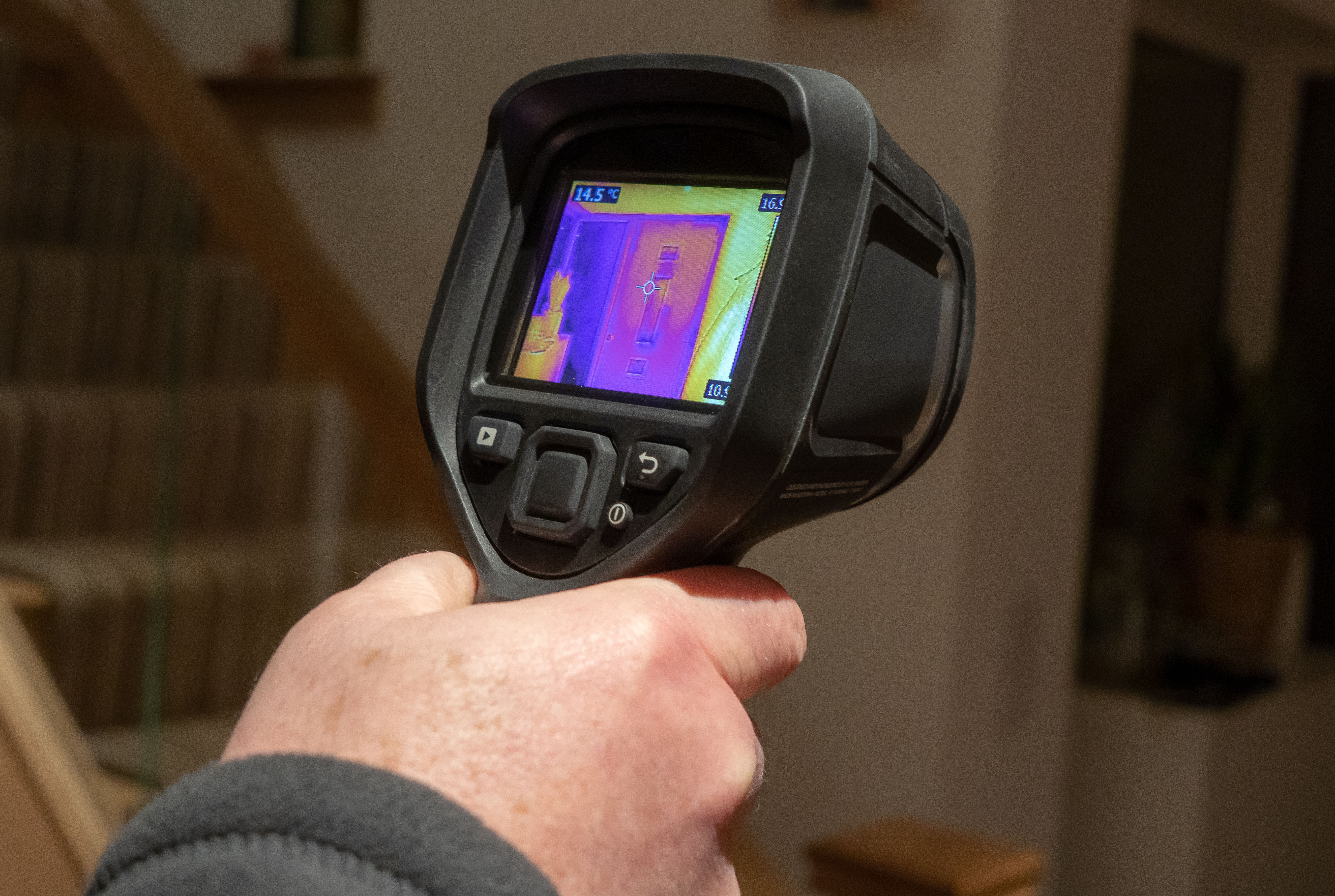
Depending on the level of audit you choose, a home energy audit will at least include a walk-through of the home to determine visible inefficiencies, but may include testing and a highly detailed inspection and report laying out the home’s inefficiencies and providing recommendations to fix those issues. The audit may also include a review of utility bills and mechanical testing. Consult your home energy auditor about the types of services they provide before hiring.

Homeowners can often access federal tax credits, such as the Investment Tax Credit (ITC), which covers a percentage of installation costs. Many states and utilities offer additional rebates, grants, or performance-based incentives. These programs can significantly lower your upfront investment. Check the Database of State Incentives for Renewables and Efficiency (DSIRE) or contact your local energy office for current offers.

An average, 400-square-foot electric heated driveways consume approximately $3 per hour in terms of electricity. The price may slightly fluctuate depending on your local energy cost. A simple formula to calculate your heated driveway’s total wattage consumption is by multiplying the square footage by 50 watts and then dividing it by 1,000 to get the kilowatt number. Multiply that with your local energy cost per hour and there you have the hourly operating cost.

R-value is calculated by dividing the thickness of an insulation material by its thermal conductivity. The material's composition and density influence thermal conductivity. Materials with lower conductivity values provide better insulation. The higher the R-value, the better the material is at insulating, helping homeowners select insulation that meets the energy needs of their climate and home layout.

The Hickory Flat, MS homeowners’ guide to energy efficiency auditing services

From average costs to expert advice, get all the answers you need to get your job done.