

Top-rated lead testing and removal specialists.

Get matched with top lead testing and removal specialists in Metcalfe, MS

Enter your zip and get matched with up to 5 pros

Need a pro for your lead testing and removal project in Metcalfe, MS?

Select your specific project to find the pro for you.

Find Lead testing and removal specialists in Metcalfe

Frederick Environmental LLC
New to Angi
Toxic Lead - AbatementToxic Lead - Testing

Serving Metcalfe, MS and surrounding areas

In business since 2015

Free estimates

We're a locally owned and operated company that values honesty, integrity and treats your home as if it were our own. We offer a variety of home testing services that are customizable to each individual project. We specialize in Toxics Testing, but also offer a wide range of expertise for a variety of other projects. We pride ourselves on the quality of our work, as well as our commitment to outstanding results. We look forward to building lasting relationships and guarantee your satisfaction!

Lead Testing and Removal questions, answered by experts

Through air sampling devices and surface swabs in key areas of concern.

Hazardous waste is waste that poses a threat to human or environmental health. This generally refers to waste that is flammable, corrosive, toxic, or reactive. To confirm if the waste you need to remove is considered hazardous waste, contact your local hazardous waste facility.

According to the Environmental Protection Agency (EPA), hazardous waste is generally classified into four main categories:

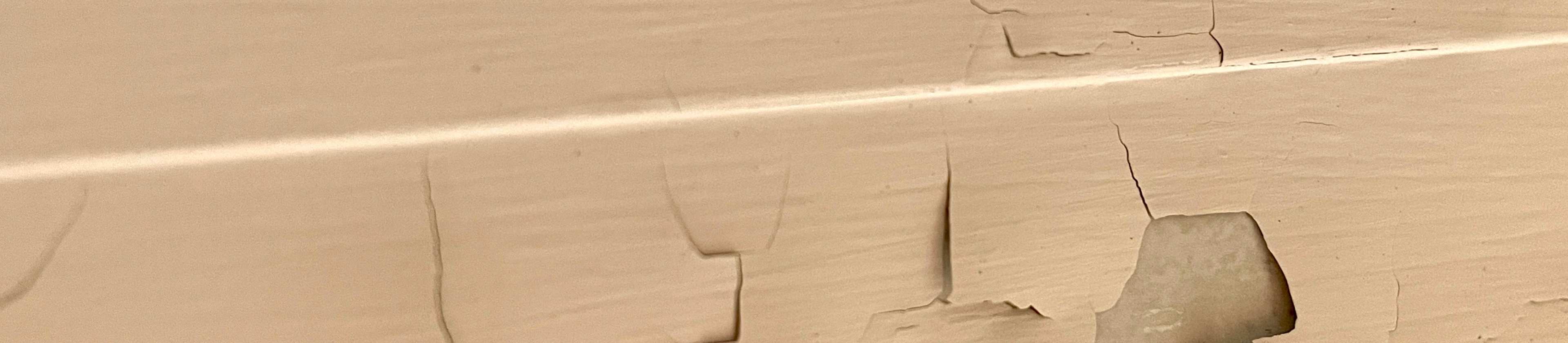
1. Characteristic Wastes: These exhibit at least one of four hazardous traits: ignitability (flammable, like gasoline), corrosivity (can rust or decompose materials, like car batteries), reactivity (unstable and can explode, like aerosol cans), or toxicity (harmful when ingested, like lead-based paint).

2. Listed Wastes: These are specific wastes from manufacturing and industrial processes that the EPA has officially designated as hazardous. They include byproducts from processes that use solvents, pesticides, and other chemicals.

3. Universal Wastes: These are commonly generated hazardous items that are subject to streamlined regulations. Examples include batteries, pesticides, mercury-containing equipment (e.g., bulbs), and some lamps.

4. Mixed Wastes: This category includes waste that contains both hazardous and radioactive components, making it subject to regulation by both the EPA and the Nuclear Regulatory Commission.

At-home lead tests can provide accurate results if used correctly, and if the kits are reputable and certified. They vary in sensitivity and methodology, influencing their accuracy. Follow instructions meticulously, ensuring proper sample collection and test execution. While they can detect elevated lead levels, for precise confirmation or if results are concerning, consider professional testing or lab analysis for comprehensive accuracy and guidance on addressing any issues.

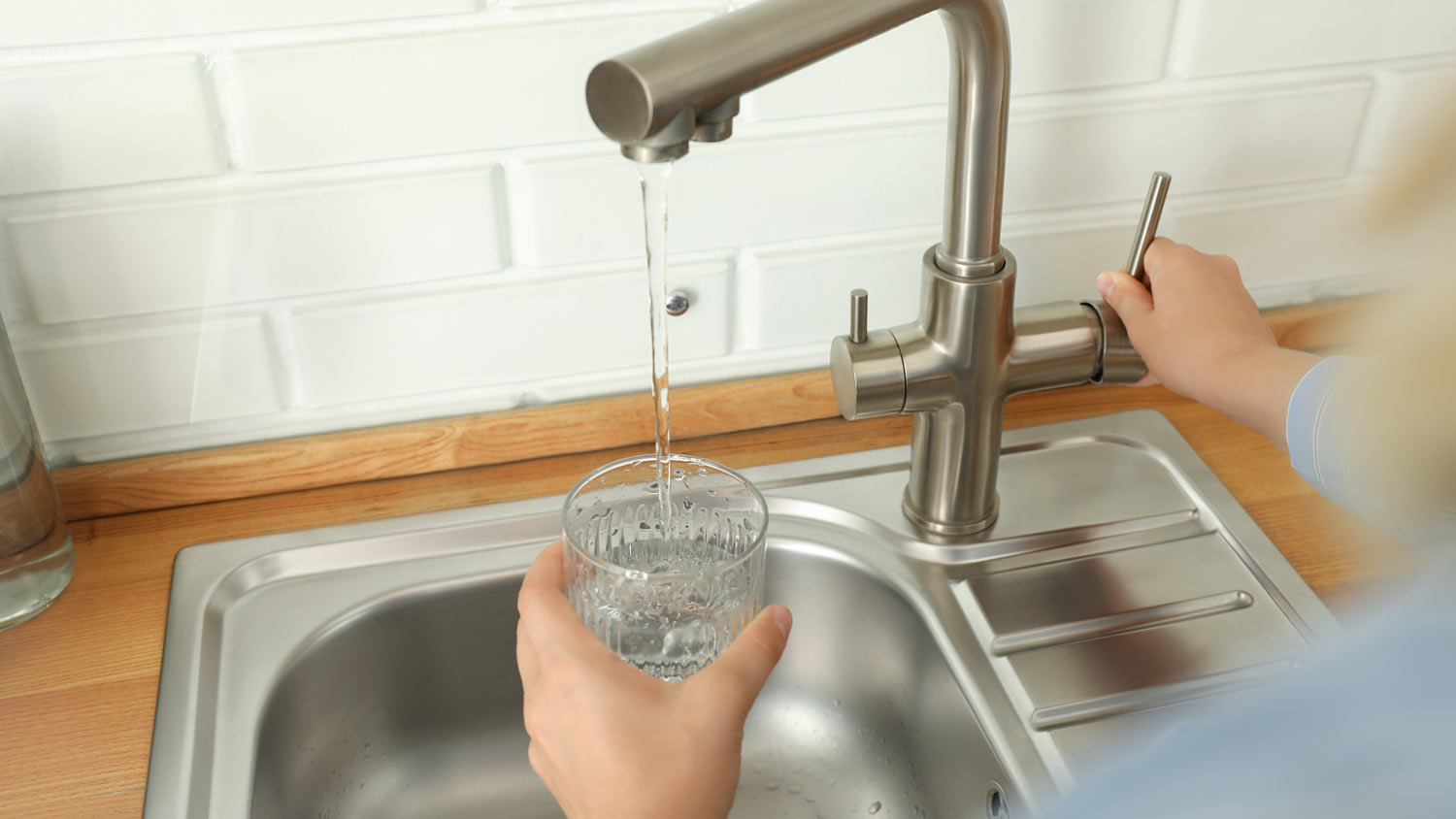
“Testing” can start with your senses: Assessing your water’s appearance, taste, and smell can all be good first steps. The best way to know for sure what’s going on with your water is to use a well water testing kit, which can tell you about the specific levels of bacteria, dissolved solids, and hardness of your water with precision. Have a pro test your well water at least once per year.

The Metcalfe, MS homeowners’ guide to lead testing and removal services

From average costs to expert advice, get all the answers you need to get your job done.