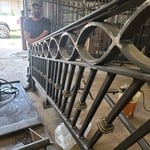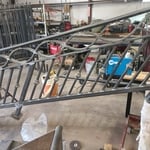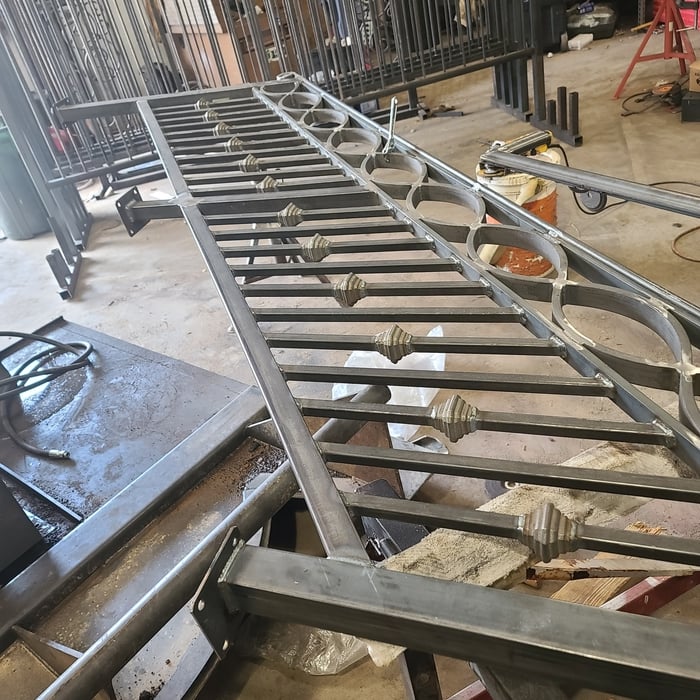








Top-rated welders.

Get matched with top welders in Marion, MS

Enter your zip and get matched with up to 5 pros

Need a pro for your welding project in Marion, MS?

Select your specific project to find the pro for you.

Find Welders in Marion

High Cotton Welding Services, LLC
5.0(
3
)
Wrought Iron Fence - Repair or Weld

Serving Marion, MS and surrounding areas

In business since 2018

Free estimates

Credit card accepted

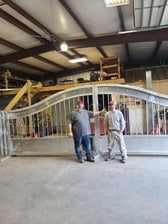
"The owner is hands down amazing at what he does ! I sent him what we wanted and he exceeded our expectations for our iron entry gates for our driveway! Great customer service, quick turn around time, and always available to answer any questions we had! Highly recommend for any fencing needs"
Custom Security Gate
.
.
Custom Security Gate
.

+22

Response time20 mins
Recommended by100%of homeowners
...
Showing 1-10 of 51
Welding questions, answered by experts

Your typical household tools will not cut a metal pipe. To cut a metal pipe, you’d need more specialized tools like a pipe cutter or circular saw. Do not attempt to use these tools without taking proper safety precautions and wearing safety gear. It’s usually safer to let a pro cut a metal pipe, especially if you’re not confident in your skills with a heavy-duty saw.

Costs depend on unit complexity, labor, wall mounting needs, and additional accessories like floating shelves.

To maintain custom or fabricated metal structures and extend their lifespan and appearance, perform regular cleaning, apply rust prevention treatments, and use protective coatings.

The cost to weld aluminum averages about $14 to $22 per pound. The type of metal factors into the overall cost of any welding project due to the cost of the materials and the expertise required to work with it. Some of the most common metals used by welders include:

  • Magnesium alloy: $7–$16 per pound

  • Low-carbon steel: $11–$12 per pound

  • Stainless steel: $13–$15 per pound

  • Copper/brass: $24–$29 per pound

  • Cast iron: $38–$79 per pound

  • Titanium: $60–$85 per pound

Cutting round ductwork requires precision and the right tools. A duct cutter, specifically designed for circular ducts, is ideal. First, mark the cutting line on the duct using a measuring tape and pencil. Then, position the duct cutter's blade on the marked line. Apply steady pressure, rotating the cutter around the duct. The sharp blade creates a clean, precise cut. Alternatively, a reciprocating saw with a metal-cutting blade can be used for larger round ducts. Ensure the duct is securely held in place while making the cut to prevent slips and maintain accuracy.

The Marion, MS homeowners’ guide to welding services

From average costs to expert advice, get all the answers you need to get your job done.