








Top-rated welders.

Get matched with top welders in Butler, AL

Enter your zip and get matched with up to 5 pros

Need a pro for your welding project in Butler, AL?

Select your specific project to find the pro for you.

Find Welders in Butler

Avatar for Southern Specialty Welding, LLC
Southern Specialty Welding, LLC
3.5(
3
)

Serving Butler, AL and surrounding areas

In business since 2016

Free estimates

Credit card accepted

"Great!! These young men can in short notice. They were truly a god send. They worked non stop and completed the job within a couple of hours. I would highly recommend them😀"
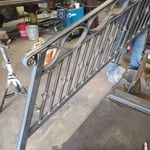
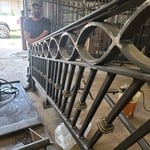
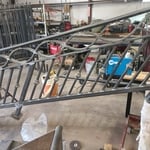
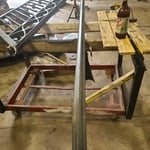
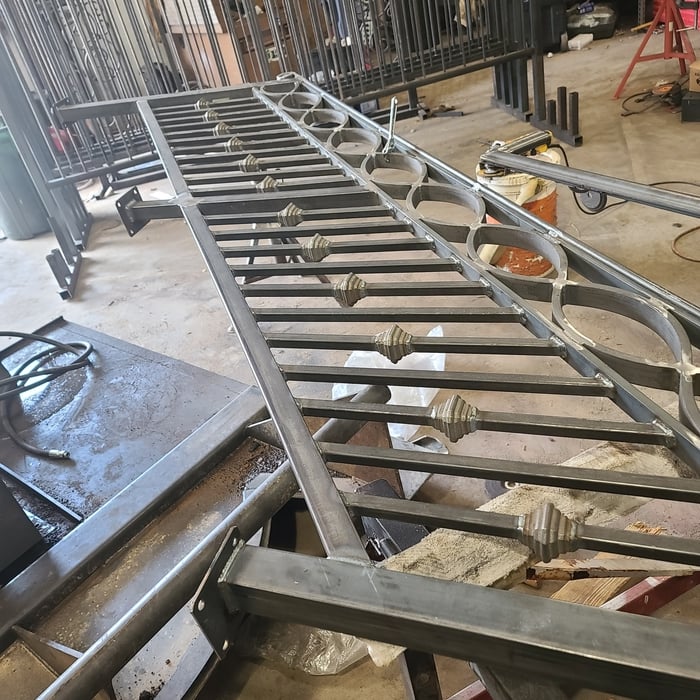
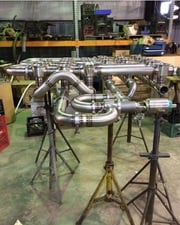
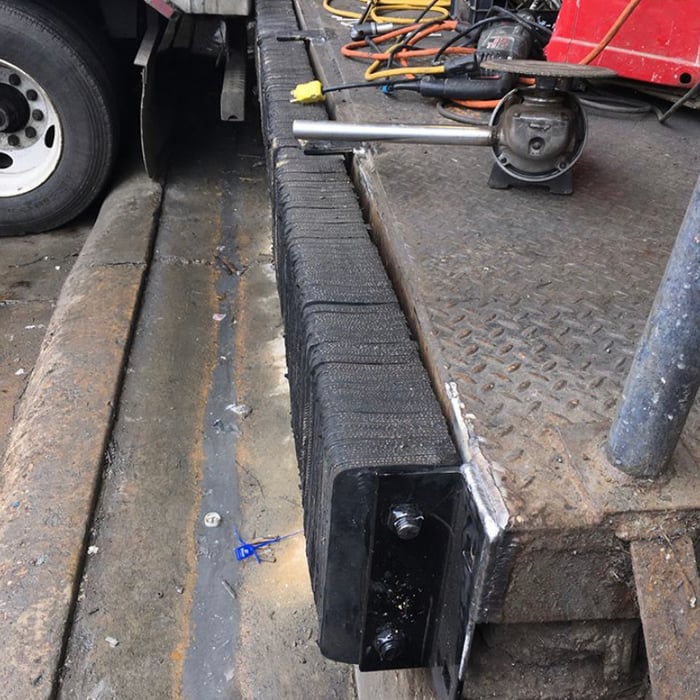
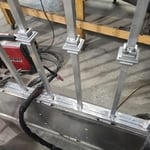
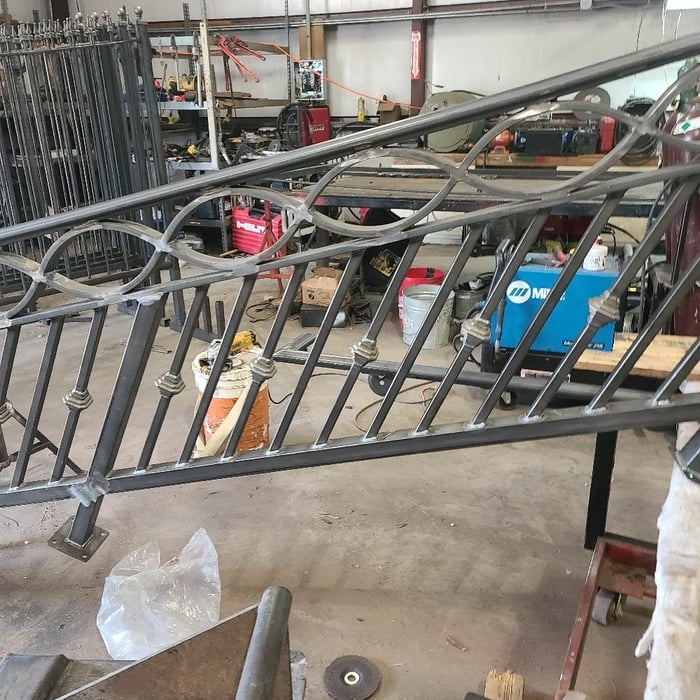
custom handrails
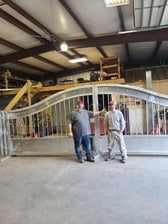
before we fab
custom handrails
custom handrails
custom handrails

+46

Response time2 days
Recommended by100%of homeowners
Showing 1-10 of 46
Welding questions, answered by experts

Cutting round ductwork requires precision and the right tools. A duct cutter, specifically designed for circular ducts, is ideal. First, mark the cutting line on the duct using a measuring tape and pencil. Then, position the duct cutter's blade on the marked line. Apply steady pressure, rotating the cutter around the duct. The sharp blade creates a clean, precise cut. Alternatively, a reciprocating saw with a metal-cutting blade can be used for larger round ducts. Ensure the duct is securely held in place while making the cut to prevent slips and maintain accuracy.

To maintain custom or fabricated metal structures and extend their lifespan and appearance, perform regular cleaning, apply rust prevention treatments, and use protective coatings.

The cost to weld aluminum averages about $14 to $22 per pound. The type of metal factors into the overall cost of any welding project due to the cost of the materials and the expertise required to work with it. Some of the most common metals used by welders include:

  • Magnesium alloy: $7–$16 per pound

  • Low-carbon steel: $11–$12 per pound

  • Stainless steel: $13–$15 per pound

  • Copper/brass: $24–$29 per pound

  • Cast iron: $38–$79 per pound

  • Titanium: $60–$85 per pound

Cutting rectangular ductwork requires careful measurements and the right technique. Use a measuring tape and pencil to mark the cutting lines accurately. Tin snips are excellent for straight cuts on smaller ducts. For more extensive or thicker rectangular ducts, a reciprocating saw with a metal-cutting blade is effective. 

Ensure the duct is well-supported and secure while cutting to prevent wobbling and maintain precision. After cutting, use a metal file to smooth any sharp edges, ensuring safety during installation. 

It will likely take an experienced pro less than an hour to install a ground rod, which is another reason why letting them handle the job is such a good idea. Safety concerns aside, it would likely take you much longer to install a ground rod if you decided to take this one as a DIY job.

The Butler, AL homeowners’ guide to welding services

From average costs to expert advice, get all the answers you need to get your job done.