



Top-rated welders.

Get matched with top welders in Newton, MS

Enter your zip and get matched with up to 5 pros

Need a pro for your welding project in Newton, MS?

Select your specific project to find the pro for you.

Find Welders in Newton

Avatar for Jonathan Walker
Jonathan Walker
New to Angi

Serving Newton, MS and surrounding areas

Approved

Free estimates

Offers commercial services

Im a very hard work individual who takes pride in my work. I believe in giving the customer what they want and if not get as close to their goal and vision as possible. I stand behind my work and aim to please.

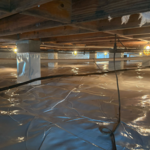
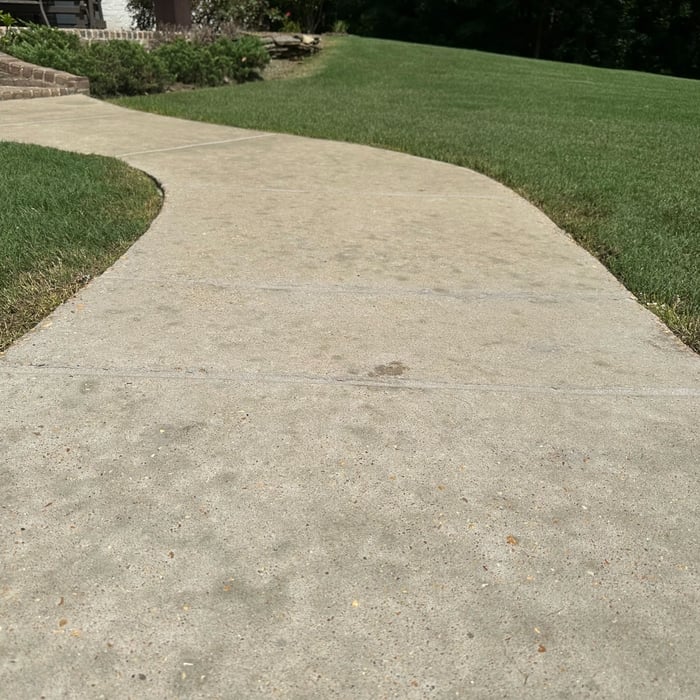
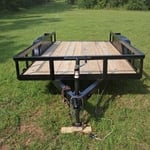
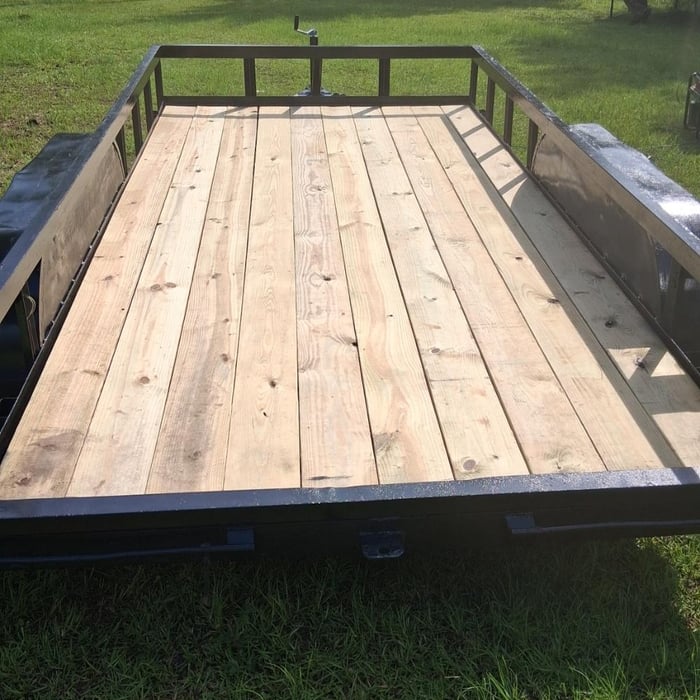
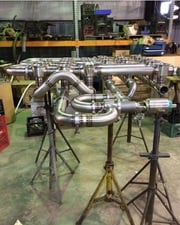
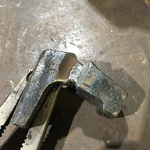
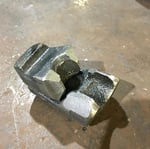
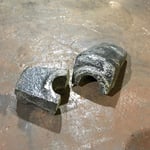
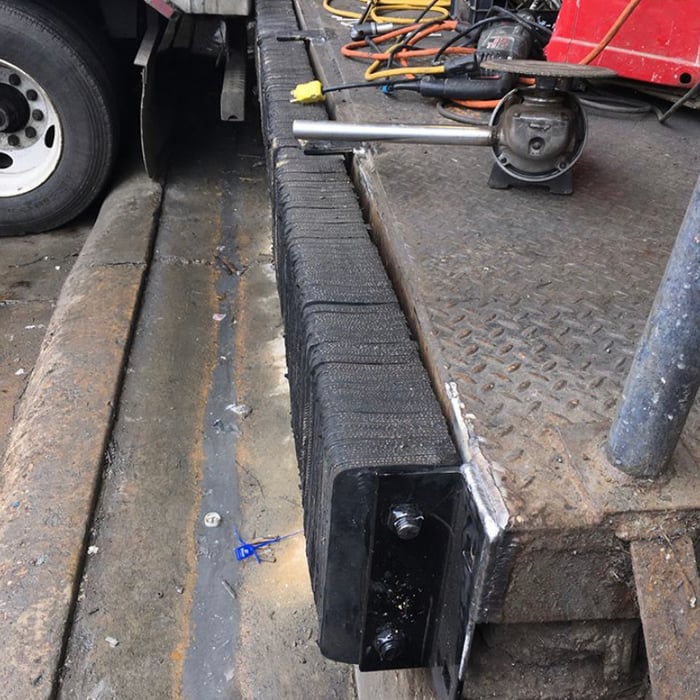
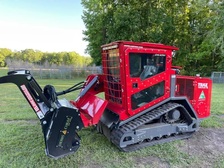
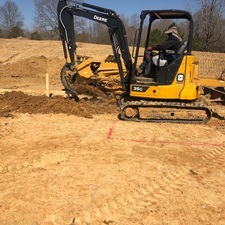
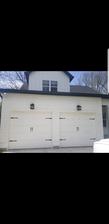
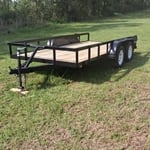
Trailor Restoration
Trailor Restoration
Trailor Restoration
Trailor Restoration
Trailor Restoration

+1

2 neighbors recently requested a quote
Showing 1-10 of 47
Welding questions, answered by experts

The best thing to cut metal pipe is a durable pipe cutter that is made for metal. You may want to measure the diameter of the pipes before purchasing a pipe cutter to ensure it will be able to cut your metal pipes. Opt for a heavy-duty option to cut through metal like steel or cast iron.

Your typical household tools will not cut a metal pipe. To cut a metal pipe, you’d need more specialized tools like a pipe cutter or circular saw. Do not attempt to use these tools without taking proper safety precautions and wearing safety gear. It’s usually safer to let a pro cut a metal pipe, especially if you’re not confident in your skills with a heavy-duty saw.

The cost to weld aluminum averages about $14 to $22 per pound. The type of metal factors into the overall cost of any welding project due to the cost of the materials and the expertise required to work with it. Some of the most common metals used by welders include:

  • Magnesium alloy: $7–$16 per pound

  • Low-carbon steel: $11–$12 per pound

  • Stainless steel: $13–$15 per pound

  • Copper/brass: $24–$29 per pound

  • Cast iron: $38–$79 per pound

  • Titanium: $60–$85 per pound

Costs depend on unit complexity, labor, wall mounting needs, and additional accessories like floating shelves.

Cutting rectangular ductwork requires careful measurements and the right technique. Use a measuring tape and pencil to mark the cutting lines accurately. Tin snips are excellent for straight cuts on smaller ducts. For more extensive or thicker rectangular ducts, a reciprocating saw with a metal-cutting blade is effective. 

Ensure the duct is well-supported and secure while cutting to prevent wobbling and maintain precision. After cutting, use a metal file to smooth any sharp edges, ensuring safety during installation. 

The Newton, MS homeowners’ guide to welding services

From average costs to expert advice, get all the answers you need to get your job done.