

Top-rated leaf removal pros.

Get matched with top leaf removal pros in Laurel, MS

Enter your zip and get matched with up to 5 pros

Need a pro for your leaf removal project in Laurel, MS?

Select your specific project to find the pro for you.

TRUSTED BY LAUREL, MS HOMEOWNERS

  • Average homeowner rating star icon4.6
    Average homeowner rating
  • Verified reviews icon10
    Verified leaf removal services reviews

Find Leaf removal pros in Laurel

Avatar for Proud Lawn
Proud Lawn
5.0(
11
)

Serving Laurel, MS and surrounding areas

In business since 1995

Free estimates

Emergency services offered

"I am truly amazed by the stunning landscape and exceptional lawn care provided by this incredible team. I now spend more time outdoors, simply enjoying the serene atmosphere that has been created. It has transformed my outdoor space into a haven of beauty and tranquility. If you are looking for a professional who combines artistic vision with technical expertise, look no further. This is a five-star experience from start to finish!"
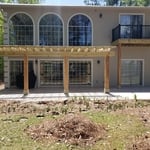
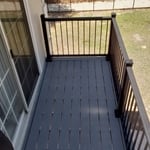
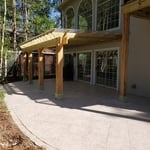
Work I've Done
Work I've Done
Work I've Done
Work I've Done
Work I've Done

+7

Response time6 hrs
Response rate91%
Recommended by100%of homeowners
...
Showing 1-10 of 85
Leaf Removal questions, answered by experts

Lead removal services typically cost between $1,000 and $5,000, depending on the extent of lead presence, the property size, and the complexity of the abatement process.

By using PPE, sealing work areas, and following containment procedures.

According to the Environmental Protection Agency (EPA), hazardous waste is generally classified into four main categories:

1. Characteristic Wastes: These exhibit at least one of four hazardous traits: ignitability (flammable, like gasoline), corrosivity (can rust or decompose materials, like car batteries), reactivity (unstable and can explode, like aerosol cans), or toxicity (harmful when ingested, like lead-based paint).

2. Listed Wastes: These are specific wastes from manufacturing and industrial processes that the EPA has officially designated as hazardous. They include byproducts from processes that use solvents, pesticides, and other chemicals.

3. Universal Wastes: These are commonly generated hazardous items that are subject to streamlined regulations. Examples include batteries, pesticides, mercury-containing equipment (e.g., bulbs), and some lamps.

4. Mixed Wastes: This category includes waste that contains both hazardous and radioactive components, making it subject to regulation by both the EPA and the Nuclear Regulatory Commission.

The best disposal method for hazardous waste is recycling or donation, if possible. That way, the world can reduce its consumption of raw materials and the volume at which materials have to be treated and disposed of. If recycling or donation is not an option, most waste can be disposed of through landfills or incinerators, but their collection and treatment are separate from regular day-to-day waste disposal. 

Hazardous waste is waste that poses a threat to human or environmental health. This generally refers to waste that is flammable, corrosive, toxic, or reactive. To confirm if the waste you need to remove is considered hazardous waste, contact your local hazardous waste facility.

The Laurel, MS homeowners’ guide to leaf removal services

From average costs to expert advice, get all the answers you need to get your job done.

What do you need done? We’ll find top pros.
  • 🌱 "Mow a small front yard"
  • 🛠 "Fix a leaking pipe under the sink"
  • 🏠 "Repair shingles on an asphalt roof"