


Doorbell Installation questions, answered by experts
Ductwork should be wrapped in insulation in certain locations. This includes unconditioned interior parts of the home, such as attics, crawl spaces, basement ceilings, and between floors. Duct joints should also be insulated since they're more likely to leak air than other parts of your system. Building codes in some areas also require ductwork to be insulated.
Mineral wool has an excellent life expectancy of up to 50 years, provided it's kept dry and free of pests. Compared to fiberglass, with a life span of 20 to 30 years, mineral wool stacks up well for long-term cost savings. Sheep wool maintains a similar life span to fiberglass, while estimates for hemp wool insulation life expectancies are all over the board, ranging anywhere from 20 to 100 years.
Yes, cold walls are a common indicator of poor or inadequate insulation, especially if the walls feel significantly colder than the air in the room. This suggests that heat from your furnace is escaping rather than being retained. The issue could be that the walls have no insulation, or that the existing insulation is old or has been damaged by water, moisture, or pests. Your best course of action is to hire a professional to investigate. An insulation contractor can determine if you need to add or replace insulation and can often perform the work without creating large holes in your drywall. If you suspect the problem might also be related to your heating system's performance, an HVAC technician can take a closer look.
Yes, crawl space insulation is worth it if installed correctly. Installing insulation in your crawl space will improve the air quality, help stabilize your home's temperature, lower your energy bills, and prevent pests from entering your home. Though you’ll pay more to install insulation initially, the savings you get from installing insulation can help offset those initial costs over time.
Radiant barriers and insulation serve different purposes, so one is not inherently better than the other. Radiant barriers reflect radiant heat, helping keep spaces cool, especially in hot climates, while insulation slows heat transfer through conduction. For optimal energy efficiency, it’s best to use both together.
Radiant barriers can enhance the performance of insulation by preventing heat gain in the summer and heat loss in the winter. The choice between them depends on specific climate conditions and the building’s design requirements.
The Kilmichael, MS homeowners’ guide to doorbell installation services
From average costs to expert advice, get all the answers you need to get your job done.
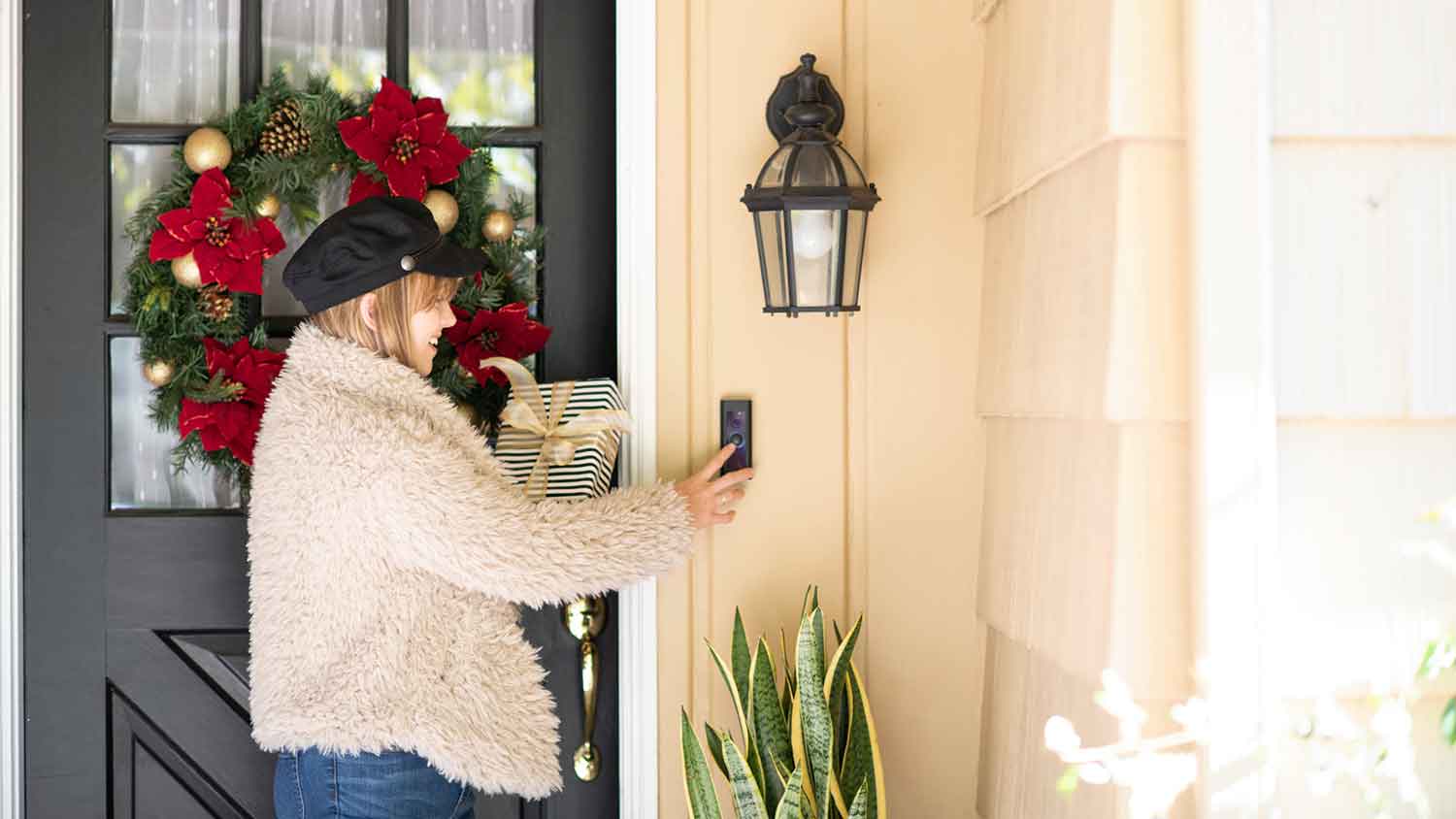
Ring a bell? From replacing a wired doorbell to setting up a smart home system, learn about typical doorbell installation costs, including materials and labor.
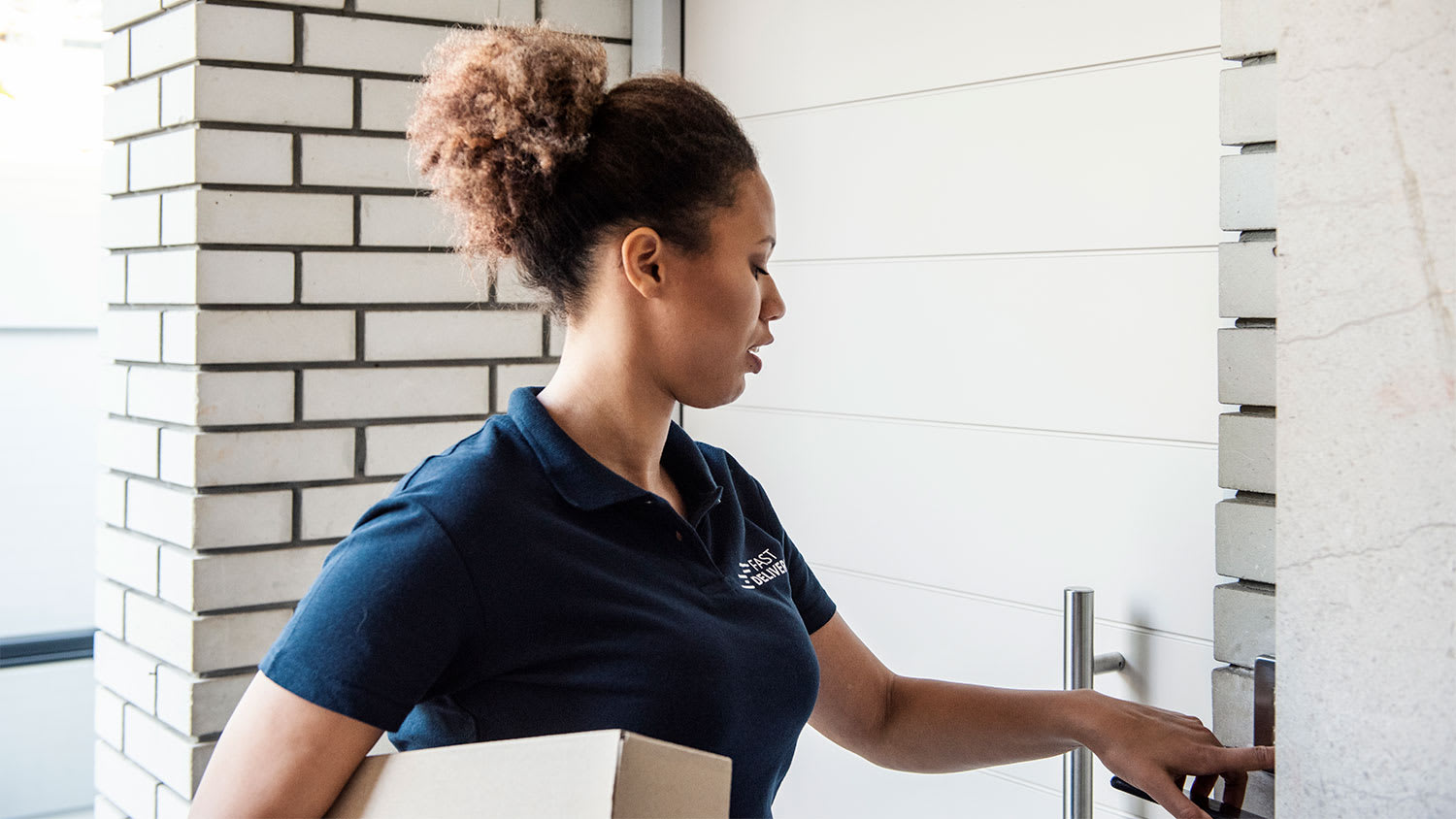
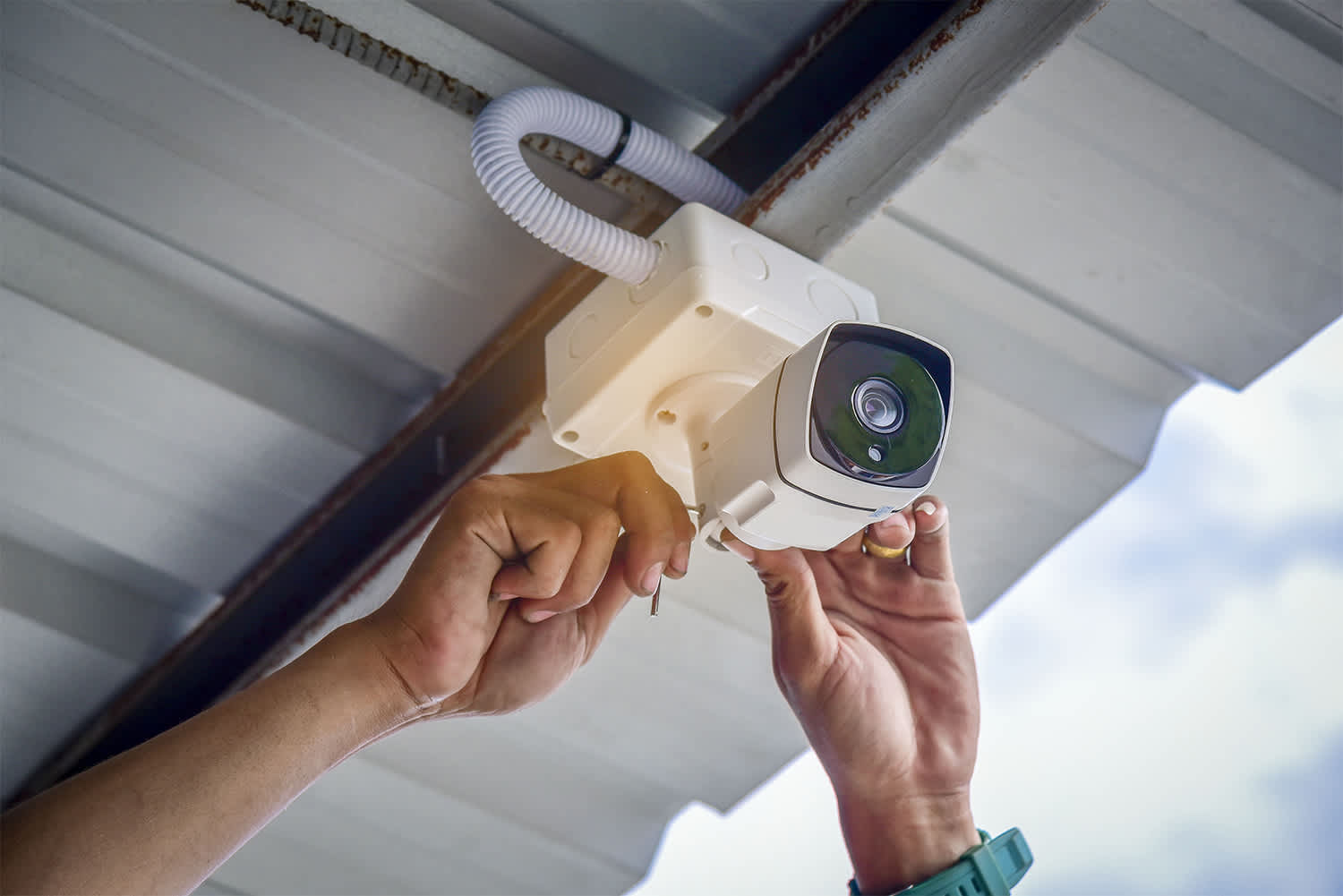
How much does it cost to install a doorbell camera? It depends on whether you plan to DIY or hire a pro. Learn about different models and their power sources, too.
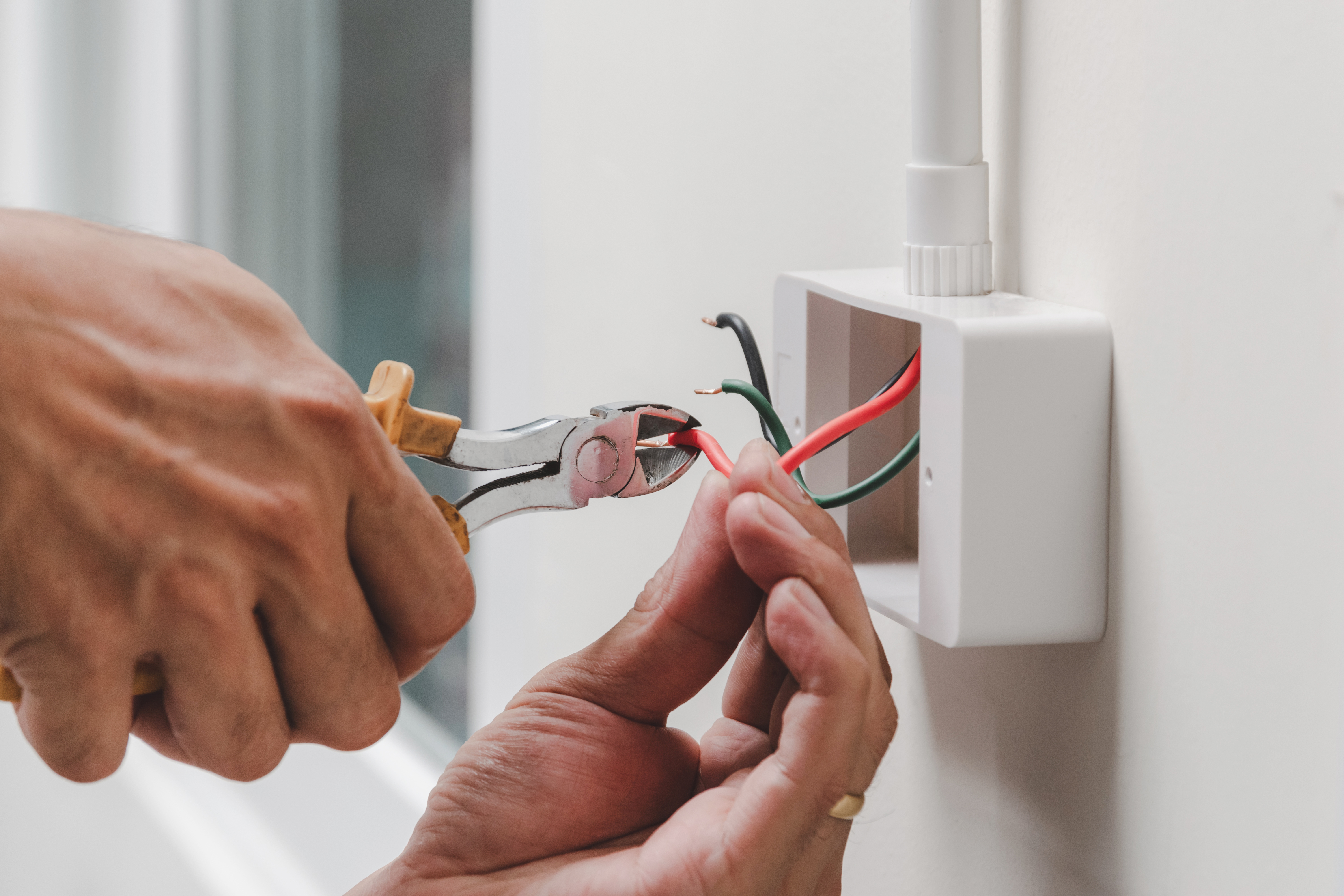
Doorbell wiring is a project you can DIY. This guide covers everything you need to know, from different types of doorbells to wiring, and how to remove an old doorbell.

Learn how to install a doorbell camera—whether it’s wired or wireless—with this guide. Know the steps so you can decide whether to DIY the job or hire a pro.