





Doorbell Installation questions, answered by experts
It is usually possible to install insulation yourself, but it’s often better to hire an insulation professional. An experienced insulation pro can determine which type of insulation is best for your space and the R-value get the most value and comfort in your home. Certain types of insulation can cause skin, eye, and lung irritation, and a professional will have the equipment necessary to keep themselves safe and limit the effect on your indoor air quality after the installation. Certain types of insulation—like blown-in and loose-fill insulation—demand a professional for proper functionality and safe installation.
You do not always need to remove old insulation before adding new. If the existing insulation is in good condition—not wet, physically damaged, moldy, or infested with pests—you can add new insulation directly on top of it for a compounding effect. You can also mix different types, such as adding blown-in insulation around existing fiberglass batts.
However, removal is recommended if the old insulation is compromised by water damage or pests. You should also remove it if you plan to install a different type of insulation, like switching from roll or batt insulation to spray foam. If the existing insulation is very old or damaged, you will likely get more benefit from removing it and starting fresh.
If you plan on heating your garage, you must install a vapor barrier when drywalling the garage. A vapor barrier protects your garage from frost and mold that can occur through condensation. If your garage is unheated, you don't need to install a vapor barrier. The only exception is if you regularly crank the heat in your car before getting in it. In this case, you may still want to install a vapor barrier, as your car can heat your garage.
Insulating windows without plastic is usually the better method. Outside of simply replacing your windows, you could buy cellular shades, which trap air between the window and the home, add a window film that blocks UV rays and traps heat, or cover your windows with a low-emissivity coating called “low-E.”
If you need to insulate behind finished walls, the best option will likely be to have an insulation professional install blown-in insulation. The installation requires small holes cut in your wall, after which the installer can blow loose-fill insulation into the void. After the installation, you’ll have minor drywall patching, which shouldn’t cost more than $100. Compared to ripping down the existing drywall, using a different type of insulation, and replacing and finishing the drywall, this should save you hundreds or even thousands, depending on the size of the room you’re insulating.
The Bruce, MS homeowners’ guide to doorbell installation services
From average costs to expert advice, get all the answers you need to get your job done.
Ring a bell? From replacing a wired doorbell to setting up a smart home system, learn about typical doorbell installation costs, including materials and labor.
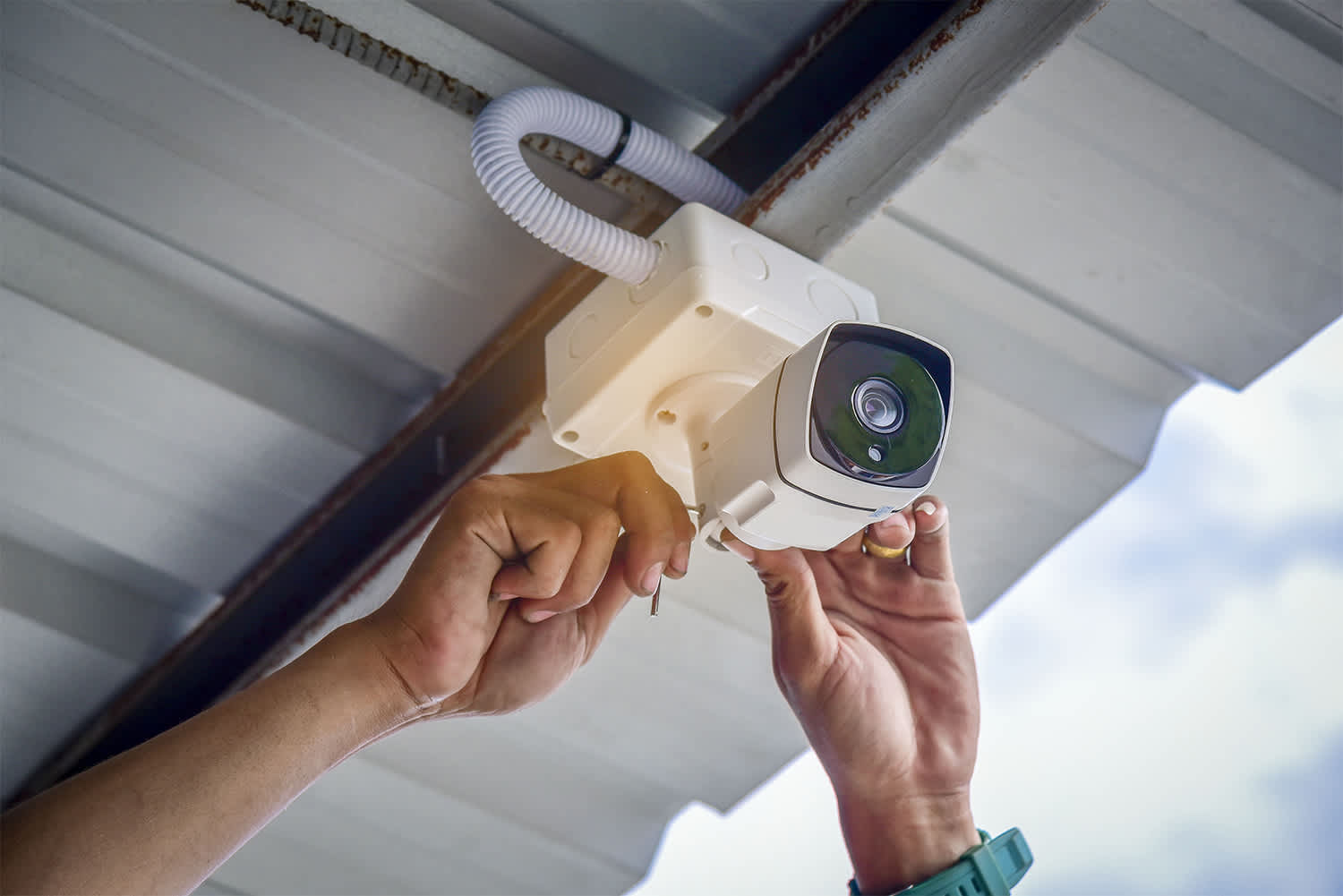
How much does it cost to install a doorbell camera? It depends on whether you plan to DIY or hire a pro. Learn about different models and their power sources, too.
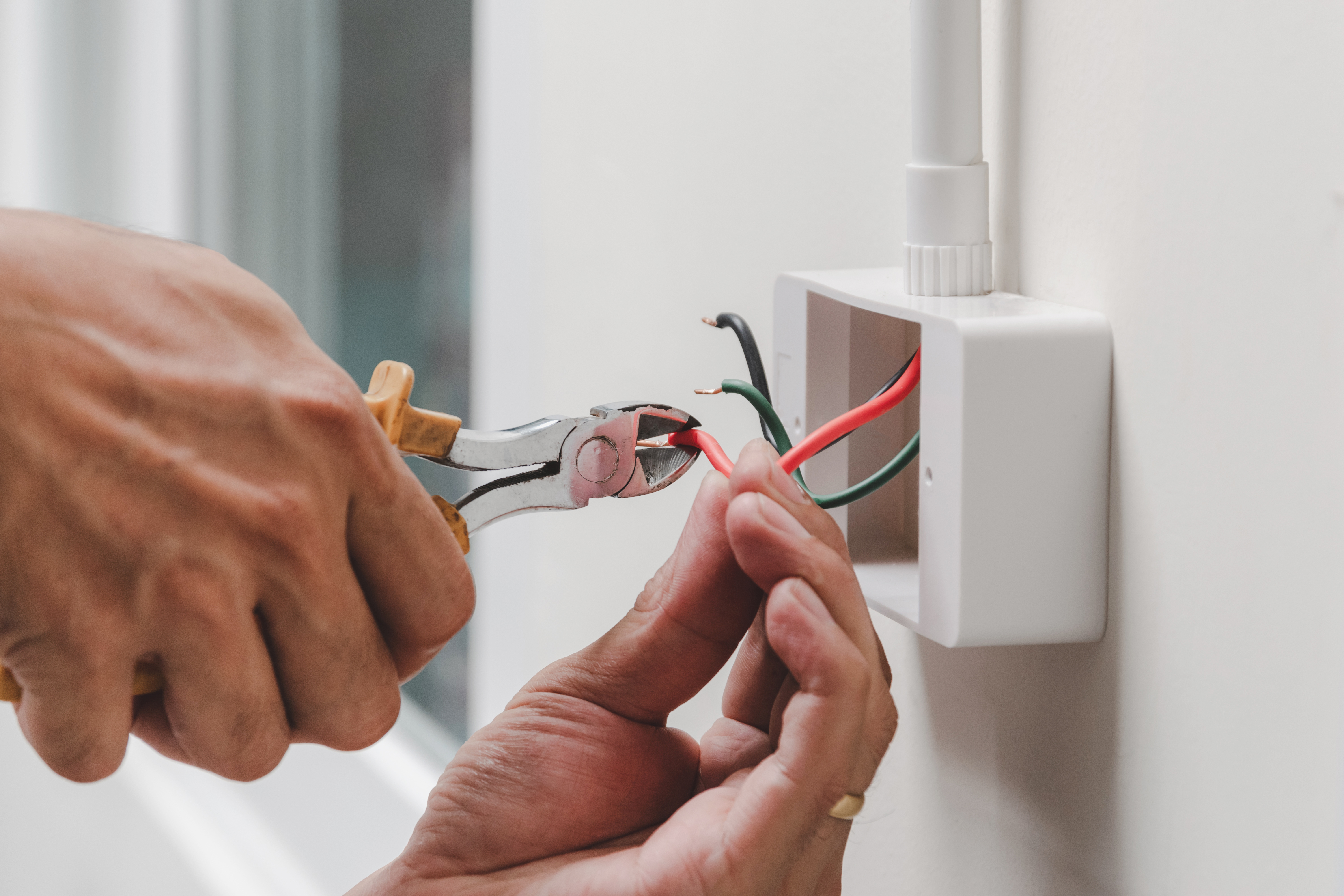
Doorbell wiring is a project you can DIY. This guide covers everything you need to know, from different types of doorbells to wiring, and how to remove an old doorbell.
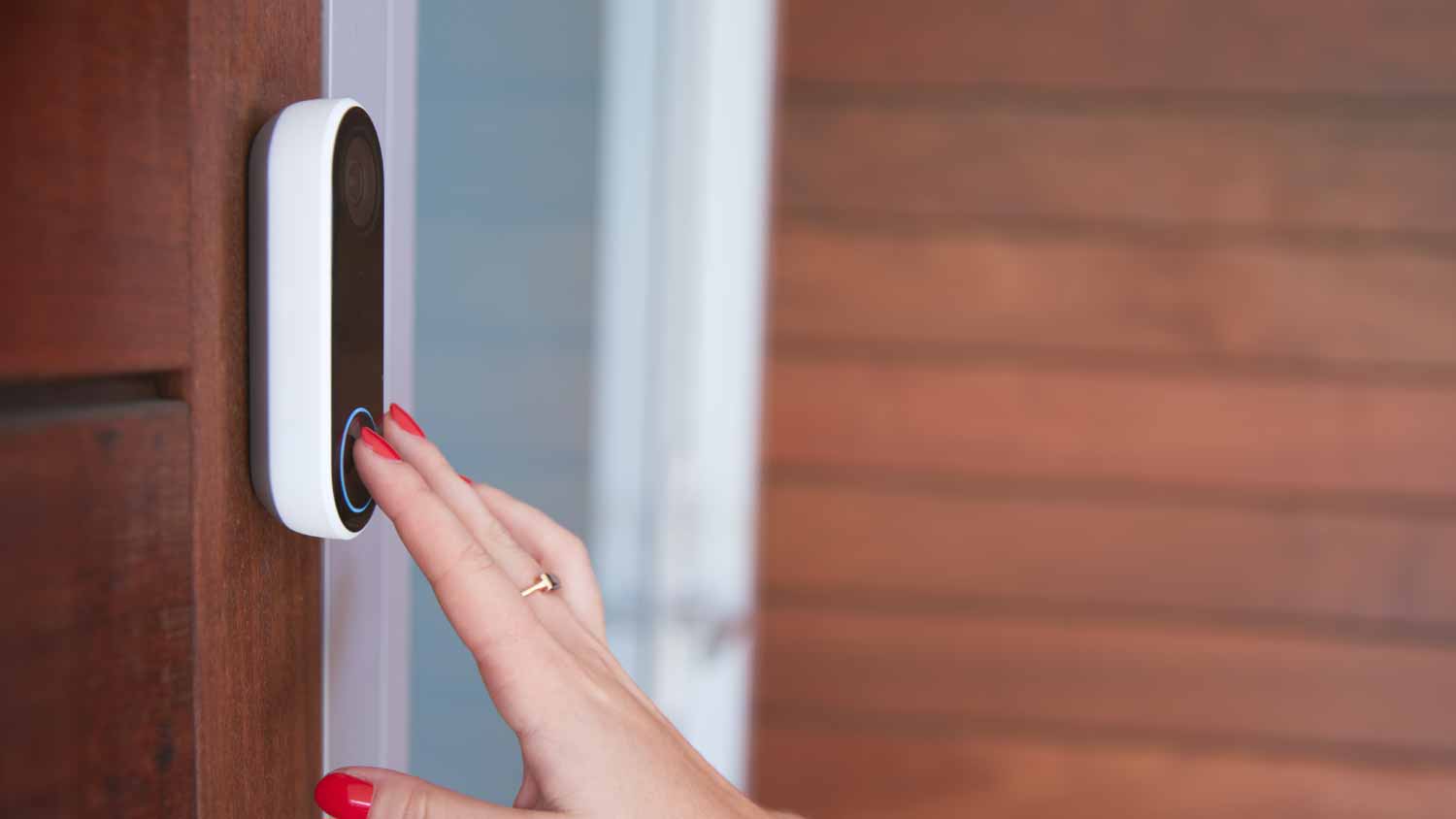
Learn how to install a doorbell camera—whether it’s wired or wireless—with this guide. Know the steps so you can decide whether to DIY the job or hire a pro.