Top-rated lead testing and removal specialists.

Best lead testing and removal specialists near Florence, MS

Enter your zip and get matched with up to 5 pros

Need a pro for your lead testing and removal project in Florence, MS?

Select your specific project to find the pro for you.

Top-Rated Lead testing and removal specialists in Florence - Updated Nov 2026

Frederick Environmental LLC
New to Angi
Toxic Lead - AbatementToxic Lead - Testing

Serving Florence, MS and surrounding areas

In business since 2015

Free estimates

We're a locally owned and operated company that values honesty, integrity and treats your home as if it were our own. We offer a variety of home testing services that are customizable to each individual project. We specialize in Toxics Testing, but also offer a wide range of expertise for a variety of other projects. We pride ourselves on the quality of our work, as well as our commitment to outstanding results. We look forward to building lasting relationships and guarantee your satisfaction!

Lead Testing and Removal FAQs, answered by experts

According to the Environmental Protection Agency (EPA), hazardous waste is generally classified into four main categories:

1. Characteristic Wastes: These exhibit at least one of four hazardous traits: ignitability (flammable, like gasoline), corrosivity (can rust or decompose materials, like car batteries), reactivity (unstable and can explode, like aerosol cans), or toxicity (harmful when ingested, like lead-based paint).

2. Listed Wastes: These are specific wastes from manufacturing and industrial processes that the EPA has officially designated as hazardous. They include byproducts from processes that use solvents, pesticides, and other chemicals.

3. Universal Wastes: These are commonly generated hazardous items that are subject to streamlined regulations. Examples include batteries, pesticides, mercury-containing equipment (e.g., bulbs), and some lamps.

4. Mixed Wastes: This category includes waste that contains both hazardous and radioactive components, making it subject to regulation by both the EPA and the Nuclear Regulatory Commission.
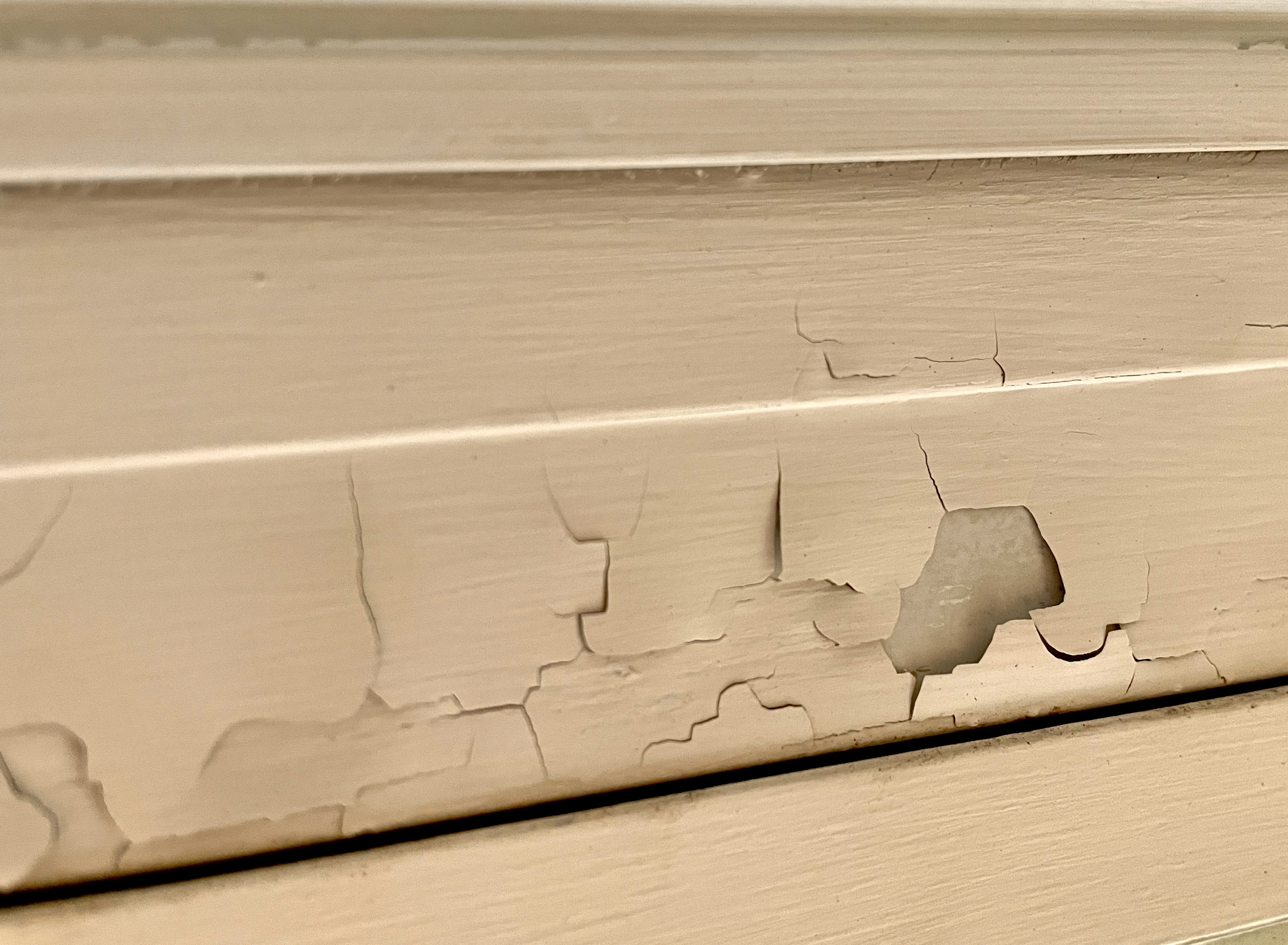

No. Standard homeowners insurance does not cover any kind of lead remediation, focusing instead on sudden, unpreventable events like fires and theft. Many insurance companies will specifically exclude lead paint removal, since it tends to be an expensive and unavoidable project. The exception is if the lead surface is damaged during a covered event (like a flood) and homeowners insurance pays its replacement.

While not all homes built before 1978 contain lead paint, enough do, so you’ll still want to test to be on the safe side. The federal government banned lead-based paint for homes in 1978, but your state may have banned lead before that time. Around 24% of homes built between 1960 and 1977 contained lead-based paint, while 87% of homes built before 1940 contained lead-based paint.

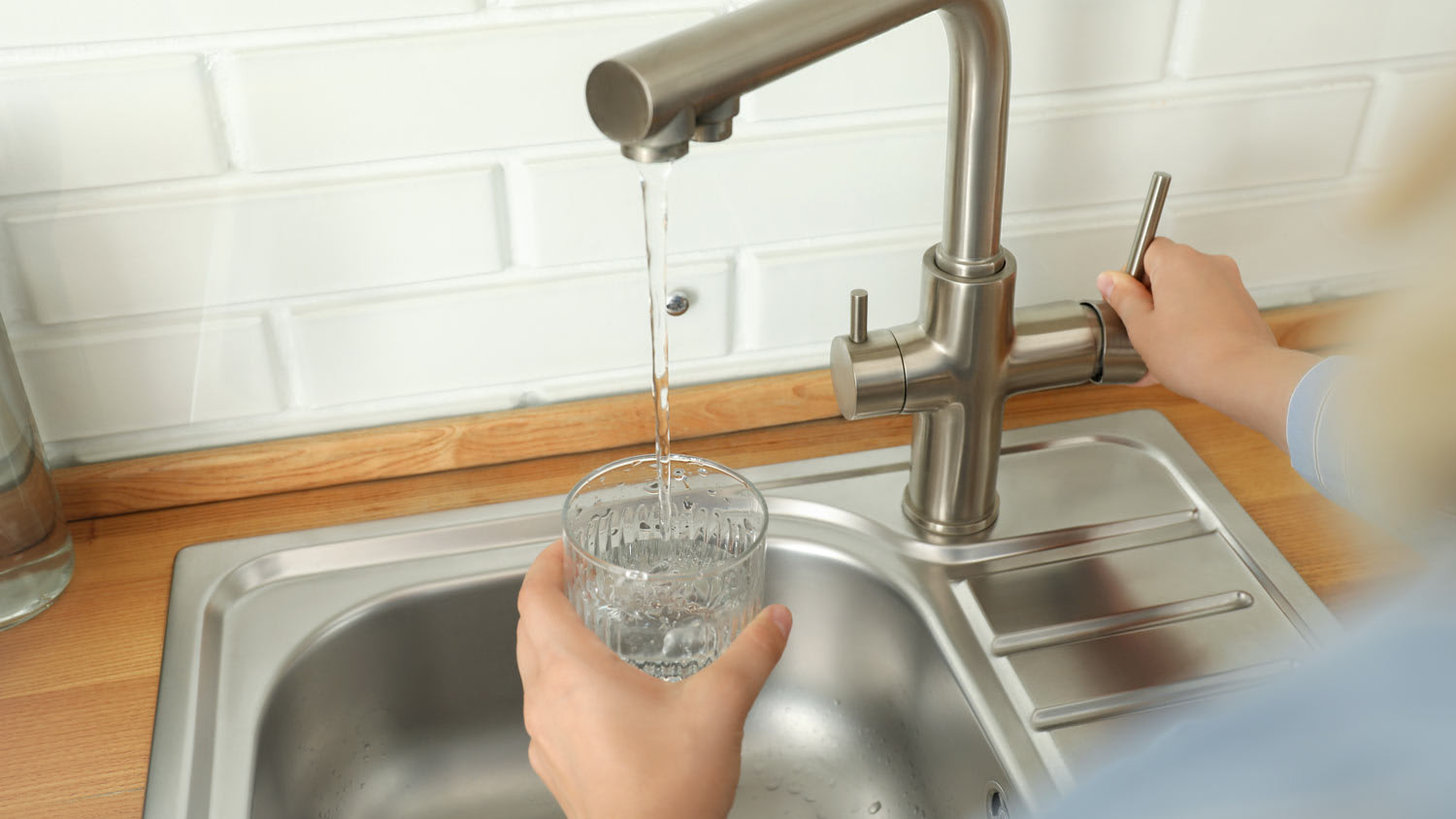
How you test for lead in your water depends on the source of your home's water supply. If you have municipal water, your local water system may offer to test the water for free or may connect you to a lab that will perform the testing.

If you have a private well that provides drinking water, you are responsible for testing it for lead. Look for a lab that is accredited by your state's Department of Environmental Protection to perform the test.

Some of the signs that could mean your water is contaminated, such as cloudiness or bubbliness, could also be non-problems that don’t affect your water’s potability. However, if your water smells or tastes strange, it’s a good idea to stop drinking it and test it immediately. If your well water is contaminated, the best way to discover that is to test it.

The Florence, MS homeowners’ guide to lead testing and removal services

From average costs to expert advice, get all the answers you need to get your job done.