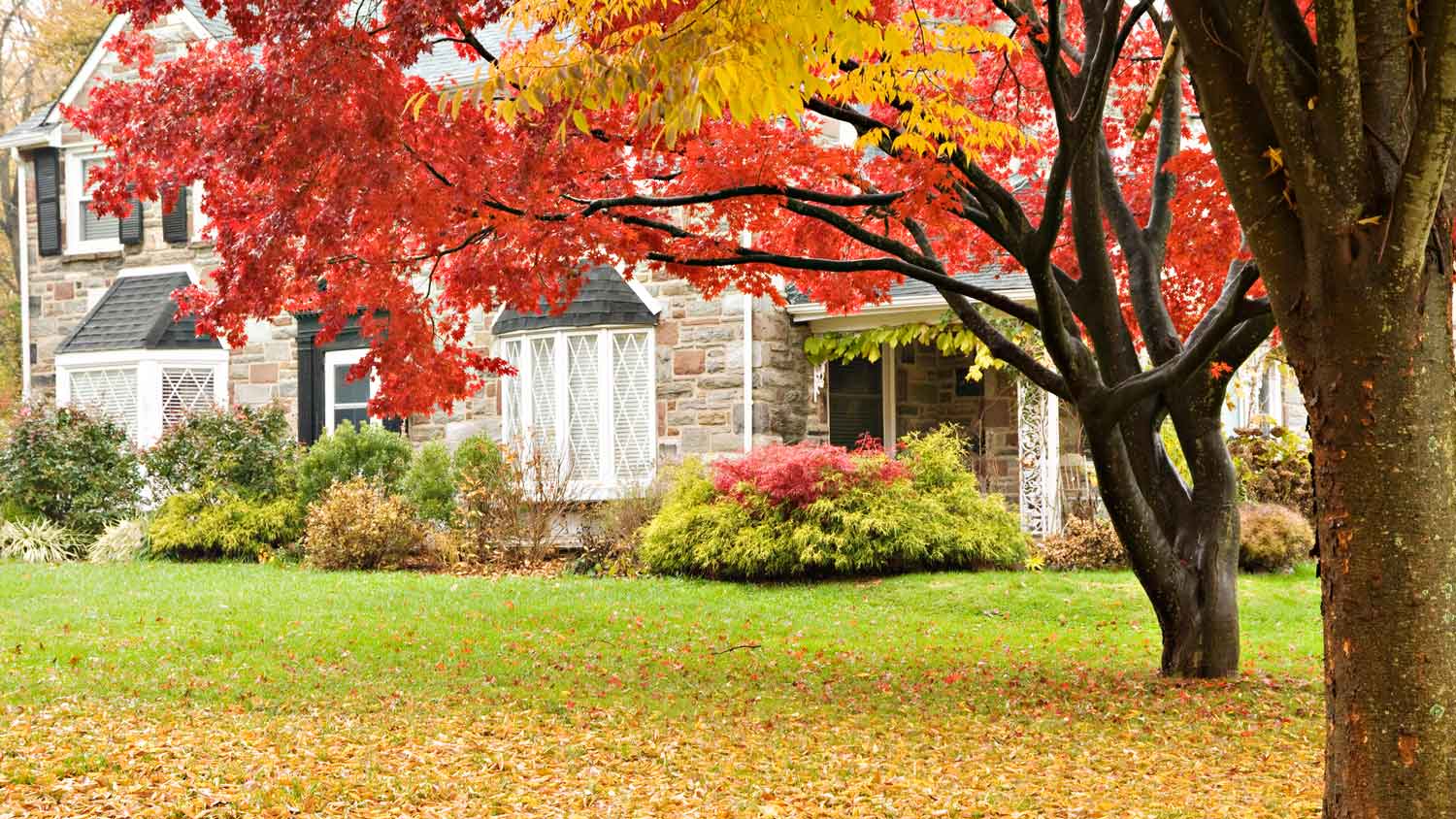
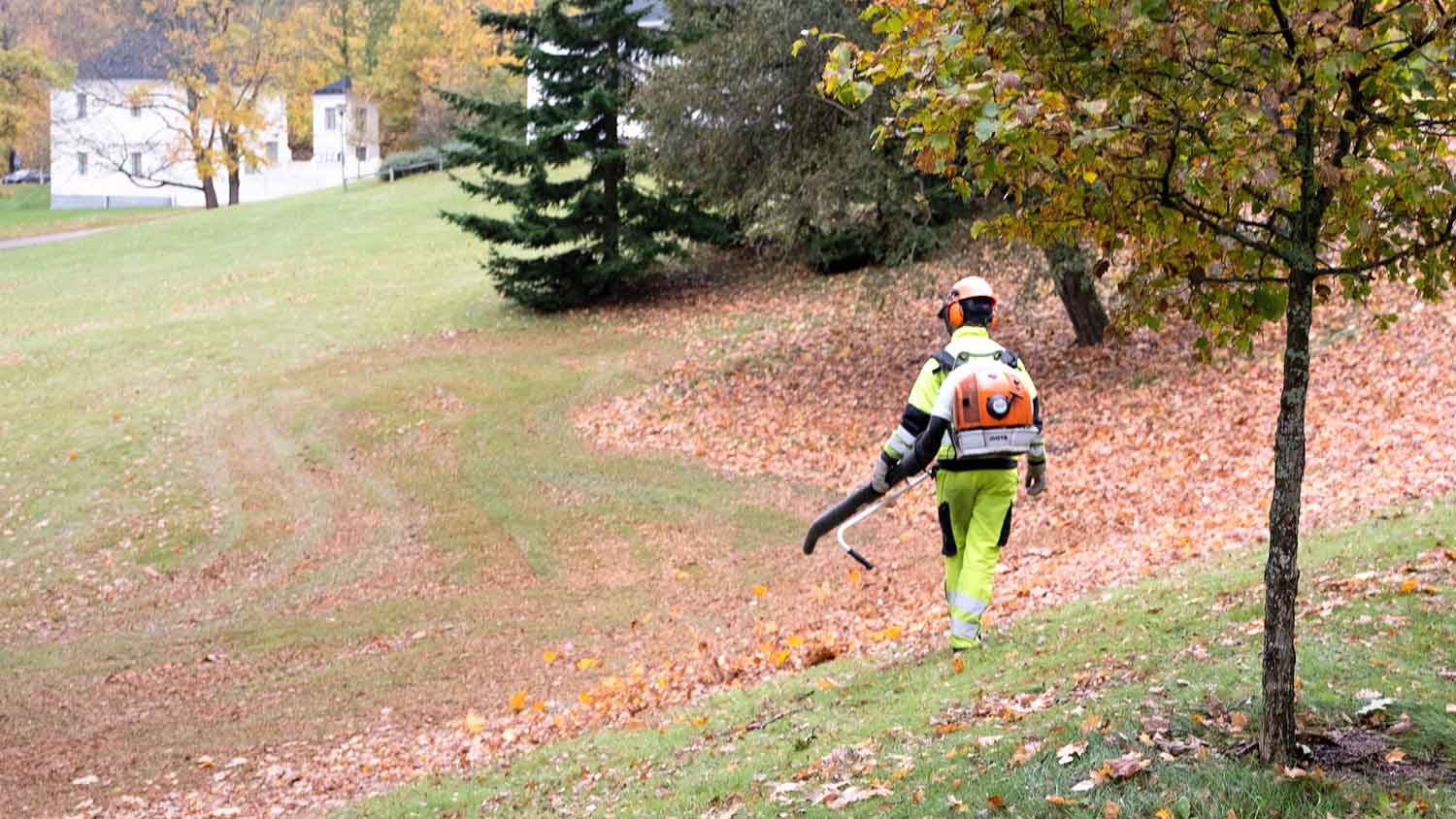
Top-rated leaf removal pros.

Best leaf removal pros near Diamondhead, MS

Enter your zip and get matched with up to 5 pros

Need a pro for your leaf removal project in Diamondhead, MS?

Select your specific project to find the pro for you.

TRUSTED BY DIAMONDHEAD, MS HOMEOWNERS

  • Average homeowner rating star icon4.9
    Average homeowner rating
  • Verified reviews icon25
    Verified leaf removal services reviews

Top-Rated Leaf removal pros in Diamondhead - Updated Nov 2026

Avatar for TRASH FROG LLC
TRASH FROG LLC
4.9(
12
)
Waste, Junk, Building Materials and Debris - Remove and Haul

Serving Diamondhead, MS and surrounding areas

Approved

Super Service Award Winner

In business since 2024

Free estimates

Credit card accepted

"Trash Frog was timely, efficient, and professional. He showed up when he said he would, was honest and transparent about pricing, and did an amazing job removing and cleaning up my junk and debris. Great experience all around!"
Thumbs up
Bye Shed!
Shed contents
Shed outside
Shed half gone

+1

Response time3 hrs
Response rate99%
9 neighbors recently requested a quote
J & J Lawncare
4.3(
40
)
Lawn & Yard Waste Clean Up

Serving Diamondhead, MS and surrounding areas

Approved

In business since 2007

Customers say: Quick response

"Mr. Joe arranged to meet with me immediately after contact through Homeadvisors. He brought a mutual friend which reassured me of his character. His information on how to replace dirt, sod and install gutters to prevent future erosion of my back yard was affordable and has been effective. He has also completed a project to landscape the front entrances to our subdivision. The entrances are colorful,inviting and have maintained their color through below freezing weather. We have just requested quotes for further landscaping projects."
Response time2 hrs
Recommended by100%of homeowners
Avatar for Alexander Construction
Alexander Construction
5.0(
3
)
Waste, Junk, Building Materials and Debris - Remove and Haul

Serving Diamondhead, MS and surrounding areas

Approved

In business since 2004

Free estimates

Emergency services offered

"Excellent service. Ryan and his team showed up on time, everyday. They did excellent work, cleaned up when they were done, and came back out several times afterward for follow up service. Highly recommend!"
Pool Sales Construction & Installation Project
Additional Photos
Additional Photos
18 neighbors recently requested a quote
Recommended by100%of homeowners
...
Showing 1-10 of 256
Leaf Removal FAQs, answered by experts

Lead toxicity comes from inhaling lead or consuming it. Before the 1980s, when the government banned lead from consumer use, it could be found in paint, plumbing, pipes, ceramics, and even gasoline. Lead paint is toxic for the same reason lead itself is toxic, which is why lead poisoning from paint presents the same as lead poisoning from water or food sources, with a slight increase in respiratory symptoms vs. digestive symptoms. Lead paint is most dangerous when it’s old and peeling, cracking, or otherwise disturbed. This increases the concentration in the air and, therefore, in breathable air. 

Exterior paint contains a higher level of VOCs, which can be dangerous if you’re exposed to it for a long period of time. The good news is that paint’s toxicity reduces significantly once fully dried and cured. Do not keep open exterior paint cans in your home, basement, or garage, exposing your household to harmful chemicals over time.

According to the Environmental Protection Agency (EPA), hazardous waste is generally classified into four main categories:

1. Characteristic Wastes: These exhibit at least one of four hazardous traits: ignitability (flammable, like gasoline), corrosivity (can rust or decompose materials, like car batteries), reactivity (unstable and can explode, like aerosol cans), or toxicity (harmful when ingested, like lead-based paint).

2. Listed Wastes: These are specific wastes from manufacturing and industrial processes that the EPA has officially designated as hazardous. They include byproducts from processes that use solvents, pesticides, and other chemicals.

3. Universal Wastes: These are commonly generated hazardous items that are subject to streamlined regulations. Examples include batteries, pesticides, mercury-containing equipment (e.g., bulbs), and some lamps.

4. Mixed Wastes: This category includes waste that contains both hazardous and radioactive components, making it subject to regulation by both the EPA and the Nuclear Regulatory Commission.
If the lead paint is in a place that is not easily disturbed and is not flaking or deteriorating, you do not necessarily need to remove it. Lead is toxic when dust particles or flakes from peeling lead paint are ingested. If people are not in the area with the lead paint, it may be safe to leave it in place. You still may want to consider encapsulation with a paint formulated for covering lead-based paint, just for an added layer of protection.

The best disposal method for hazardous waste is recycling or donation, if possible. That way, the world can reduce its consumption of raw materials and the volume at which materials have to be treated and disposed of. If recycling or donation is not an option, most waste can be disposed of through landfills or incinerators, but their collection and treatment are separate from regular day-to-day waste disposal. 

The Diamondhead, MS homeowners’ guide to leaf removal services

From average costs to expert advice, get all the answers you need to get your job done.