







Top-rated septic tank pros.

Get matched with top septic tank pros in Corinth, MS

Enter your zip and get matched with up to 5 pros

Need a pro for your septic tank service project in Corinth, MS?

Select your specific project to find the pro for you.

Find Septic tank pros in Corinth

Avatar for Thigpen Septic Tank Service
Thigpen Septic Tank Service
4.7(
55
)
Septic System - Install or ReplaceSeptic System - Install or Replace - For BusinessSeptic System - Repair+3 more

Serving Corinth, MS and surrounding areas

Credit card accepted

"Noticed we were starting to have issues with our septic tank. Gave Thigpen a call and set up an appointment for the next day. They were here on time and completed the job quickly. No trying to talk me into any other services I didn't need, no bs, just straight up honest work. Will definitely hire again when the time comes."
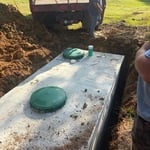
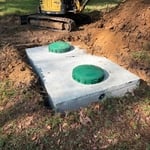
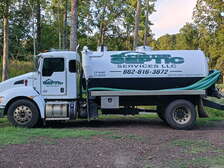
Truck
Truck & Jerrys
Truck door & Jerrys
Truck
Additional Photos

+5

Recommended by96%of homeowners
Avatar for Porter Septic Services LLC
Porter Septic Services LLC
5.0(
19
)
Septic Tank - Clean or Pump Out

Serving Corinth, MS and surrounding areas

In business since 2015

Free estimates

Credit card accepted

We at Porter Septic Services LLC pride our company on reliability, great communication, integrity, and quality work. We are experts in our trade and will do our best to keep you as educated as we can on your particular task or project. We look forward to earning your business!\n

Response time9 hrs
Response rate97%
Septic Tanks questions, answered by experts

Yes, shower water goes into the septic tank. Shower water is a type of greywater, and in fact, all water used in a home with a septic system—including water from sinks, toilets, the dishwasher, and the washing machine—drains into the tank. When shower water enters the tank, debris like soap and hair travels with it. The solid debris sinks to the bottom to become sludge, while soap residue joins the scum layer at the top. The remaining water is treated in the tank before moving to the drain field for further treatment and dispersal. It is important to avoid putting oil or harsh chemicals down any drain, as they can cause clogs or disrupt the beneficial bacteria required for proper wastewater management in the septic system.

Conventional anaerobic septic systems are the most cost-effective and least expensive type, with installation costs typically ranging from $3,000 to $8,000. For comparison, sand filter systems cost between $7,000 and $18,000, while mound systems are the most expensive at $10,000 to $20,000. Several factors influence the final price. The tank material is a key consideration; plastic tanks are the most budget-friendly option, starting around $2,900, but concrete and fiberglass tanks offer greater durability and longer life spans at a higher cost. The size of the tank also affects the price. For example, a 1,000-gallon tank costs between $900 and $1,500, whereas a larger 1,500-gallon tank costs $1,500 to $2,500.

Yes. A metal detector is one of the quickest and easiest ways to find your septic tank. However, metal detectors can be too expensive (costing upward of $300 in some cases), and not everyone has a metal detector just lying around. If that’s the case for you, you can also take a long metal rod and poke it into the ground at regular intervals until you hit something—likely your septic tank lid.

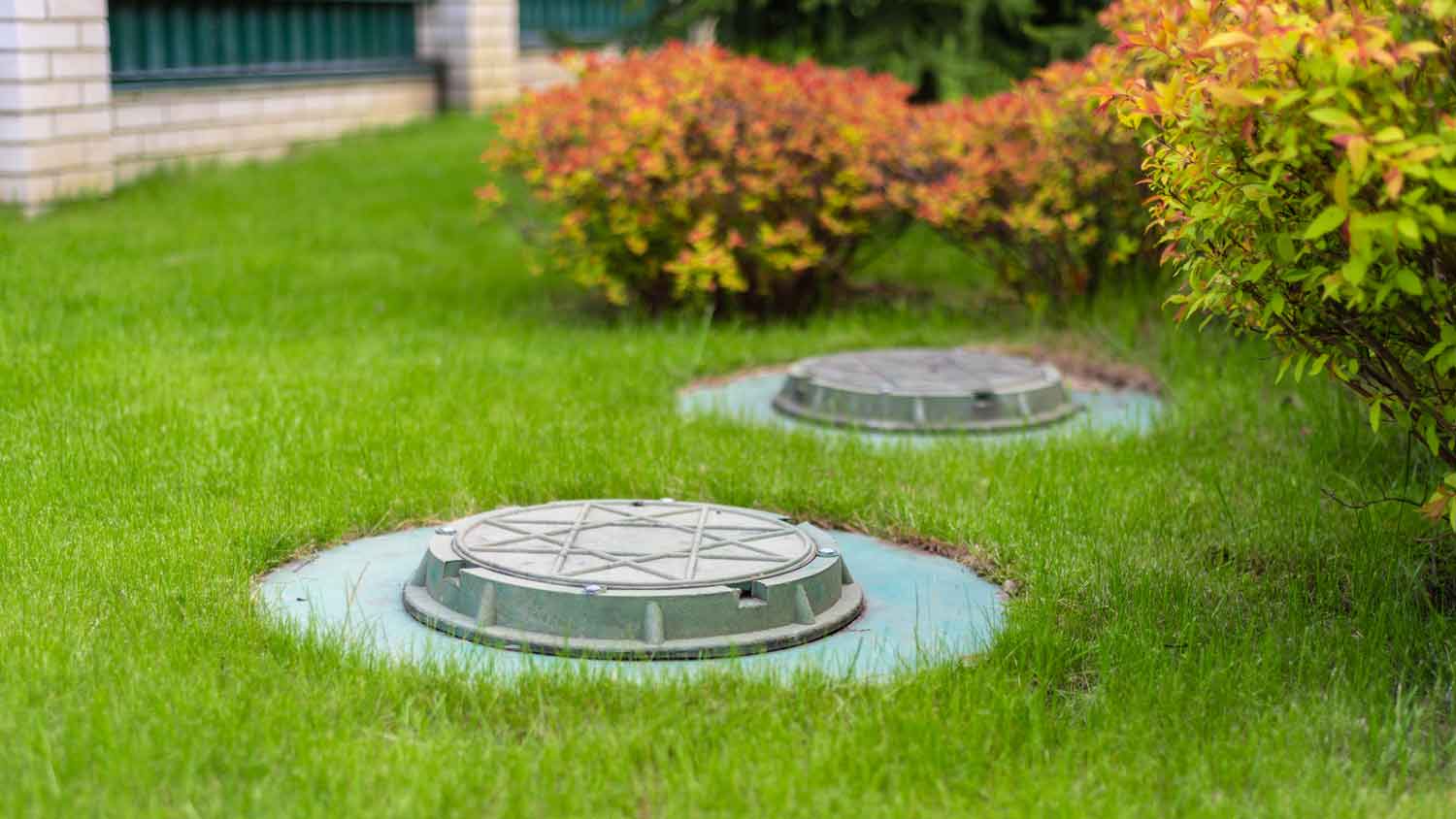
While not strictly necessary for your septic system to operate, septic tank risers are a highly beneficial and wise choice for homeowners. They provide easy access to your tank, which makes regular maintenance, inspections, and addressing issues significantly easier and less labor-intensive. By eliminating the need for repeated excavation to locate the tank, risers can save you money, labor, and energy in the long run. This easy access allows you to proactively manage your septic system, addressing potential problems before they become costly and ensuring the system's longevity. Additionally, some local regulations may require risers, and installing them can help you avoid potential fines or penalties.

While you can drain water softener backwash into a septic tank, doing so may cause several problems. One problem is that increased sodium chloride levels from water softener backwash can kill septic tank bacteria, decreasing the effectiveness of this wastewater treatment system. Another issue is that large calcium deposits can eventually stop up the drain field and lead to poor drainage. 

The Corinth, MS homeowners’ guide to septic tank services

From average costs to expert advice, get all the answers you need to get your job done.