



Top-rated welders.

Get matched with top welders in Belmont, MS

Enter your zip and get matched with up to 5 pros

Need a pro for your welding project in Belmont, MS?

Select your specific project to find the pro for you.

Find Welders in Belmont

Southern Mobile Welding Repair and Services
5.0(
6
)
Metal Stairs and Railings - RepairMetal Structure or Object - Create CustomMetal Structure or Object - Weld or Cut+2 more

Serving Belmont, MS and surrounding areas

Approved

In business since 2016

Free estimates

Credit card accepted

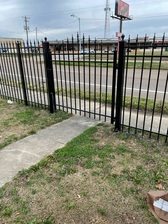
"Peersonnable owner of business with own mobile equipment and travels large upper portion of Alabama. Happened to be near my town ion day we connected via text and he reliably appeared at decided upon time at end of day. Stayed until job completed and even was kind enough to halpme with a metal gate repair for free. Highly recommend service, knowledge and reliability. Charlotte"
Response time11 hrs
Recommended by100%of homeowners

Showing 1-10 of 40
Welding questions, answered by experts

The cost to weld aluminum averages about $14 to $22 per pound. The type of metal factors into the overall cost of any welding project due to the cost of the materials and the expertise required to work with it. Some of the most common metals used by welders include:

  • Magnesium alloy: $7–$16 per pound

  • Low-carbon steel: $11–$12 per pound

  • Stainless steel: $13–$15 per pound

  • Copper/brass: $24–$29 per pound

  • Cast iron: $38–$79 per pound

  • Titanium: $60–$85 per pound

Cutting rectangular ductwork requires careful measurements and the right technique. Use a measuring tape and pencil to mark the cutting lines accurately. Tin snips are excellent for straight cuts on smaller ducts. For more extensive or thicker rectangular ducts, a reciprocating saw with a metal-cutting blade is effective. 

Ensure the duct is well-supported and secure while cutting to prevent wobbling and maintain precision. After cutting, use a metal file to smooth any sharp edges, ensuring safety during installation. 

Yes, you can use a saw to cut metal pipes. The best saw to use is a reciprocating saw, but even a fine-tooth hacksaw can get the job done. No matter which saw you use to cut metal pipes, wear protective gear, like work gloves, safety goggles, and ear plugs. Apply a firm, steady pressure to the tool, and always ensure the pipes are secured so they don't move while you make the cuts.

Costs depend on unit complexity, labor, wall mounting needs, and additional accessories like floating shelves.

Cutting round ductwork requires precision and the right tools. A duct cutter, specifically designed for circular ducts, is ideal. First, mark the cutting line on the duct using a measuring tape and pencil. Then, position the duct cutter's blade on the marked line. Apply steady pressure, rotating the cutter around the duct. The sharp blade creates a clean, precise cut. Alternatively, a reciprocating saw with a metal-cutting blade can be used for larger round ducts. Ensure the duct is securely held in place while making the cut to prevent slips and maintain accuracy.

The Belmont, MS homeowners’ guide to welding services

From average costs to expert advice, get all the answers you need to get your job done.