







Top-rated sand and rock delivery pros.

Get matched with top sand and rock delivery pros in Wheaton, MO

Enter your zip and get matched with up to 5 pros

Need a pro for your sand and rock delivery project in Wheaton, MO?

Select your specific project to find the pro for you.

TRUSTED BY WHEATON, MO HOMEOWNERS

  • Average homeowner rating star icon4.6
    Average homeowner rating
  • Verified reviews icon18
    Verified sand and rock delivery services reviews

Find Sand and rock delivery pros in Wheaton

Avatar for Clover's Lawn and Landscaping
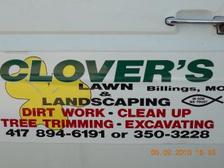
Clover's Lawn and Landscaping
5.0(
4
)
Landscape - Soil, Sand, Mulch and Rock Delivery

Serving Wheaton, MO and surrounding areas

In business since 2005

Free estimates

Emergency services offered

"Clover lawn called me within 24 hours of the request. They communicated regularly with me, gave me a very reasonable estimate and stayed in touch. The job was completed above and beyond expectations, they even did a final mow after the leaves were removed - even though it wasn't part of the original estimate, without an additional charge. The yard, flower beds and driveway were immaculate. Will use again, they are excellent and very nice people."
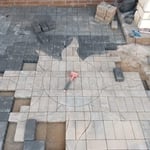
START RETAINNING WALL
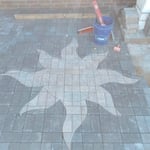
 FINISHED DRIVEWAY
 6 inches of leaves
LOWER LEVEL DRIVEWAY
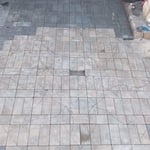
 STARTING AFTER DIGGING

+11

Recommended by100%of homeowners
Showing 1-10 of 30
Sand Rock Delivery questions, answered by experts

The cheapest landscape rock is gravel, pebbles, or decomposed granite. These small rocks are great for affordable driveways and walkways. If you’re looking for larger rocks as a building material, you can get fieldstone affordably, especially if sourced from somewhere in your area.

Yes, a cubic yard of dirt will fit in most standard-size pickup trucks. However, consider the truck’s payload as well as the truck bed dimensions before loading it up with dirt. Soil can be quite heavy, and if the total weight of a yard of dirt exceeds your truck’s payload capacity, you risk damaging the chassis and suspension.

Food-grade diatomaceous earth is a natural product that comes from diatoms—fossilized aquatic organisms from tens of millions of years ago. Food-grade diatomaceous earth is considered "natural," while pool or filter-grade diatomaceous earth has been treated and transformed to have higher crystalline silica content.

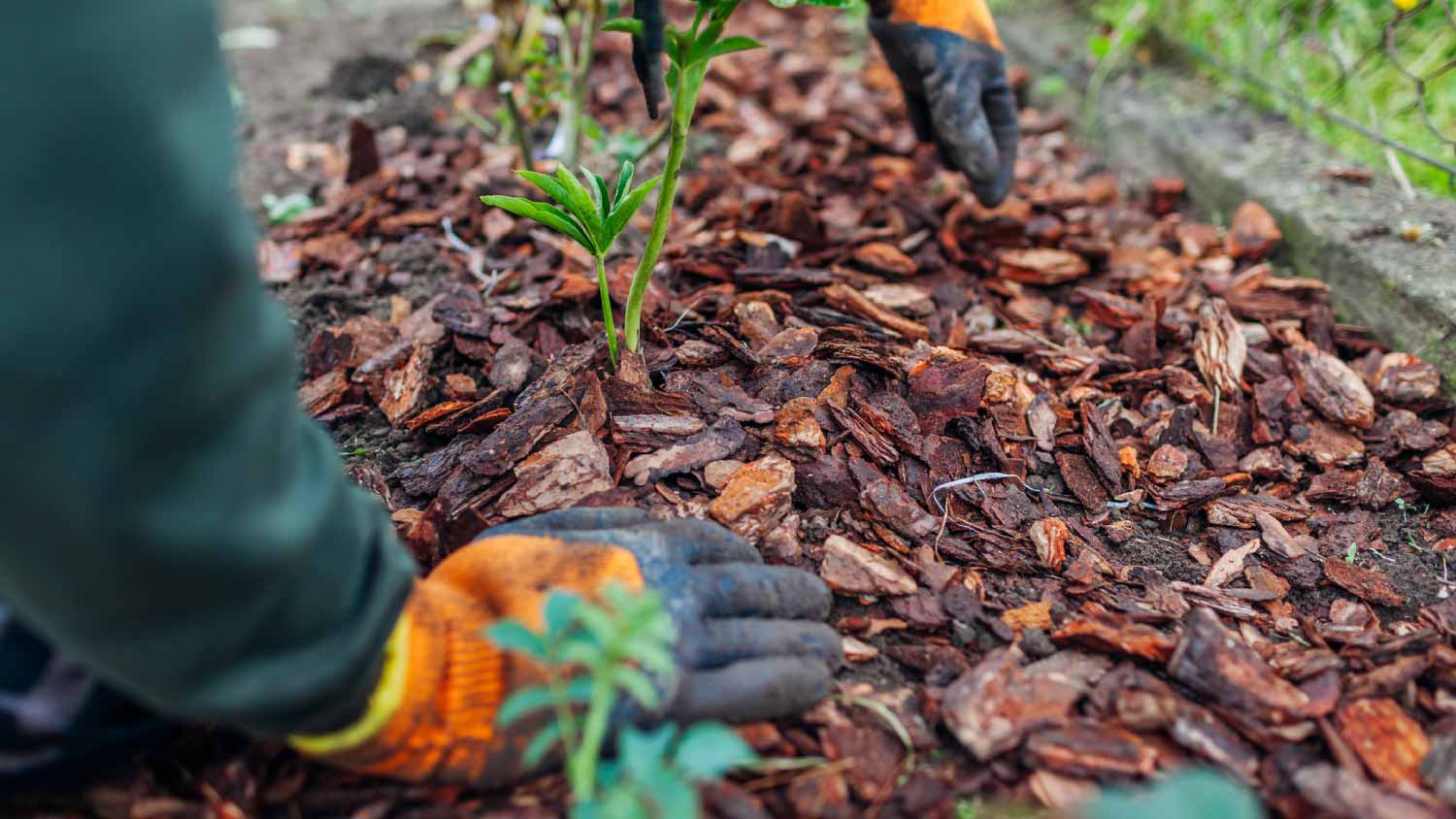
You should use mulch because it protects garden soil in a few key ways. This extra layer between the ground and the elements protects against erosion, helps your soil maintain moisture, regulates changes in temperature, adds nutrients as it decomposes, and keeps weeds at bay.

The best time to lay mulch depends on the type of mulch and the reason for installing it: 

  • Summer: Adding extra mulch helps soil retain moisture and keeps weeds at bay, allowing plants to thrive. 

  • Fall: Adding mulch helps control weeds and keeps soil and roots warm during the cooler months. Aim to add a layer of mulch 2 to 4 inches deep.

  • Winter: Mulch around perennial plants to help keep them insulated.

  • Spring: Wait until the ground has thawed. Depending on the thickness, add between 1 and 4 inches of mulch to provide freeze and rain protection and enrich the soil.

The Wheaton, MO homeowners’ guide to sand and rock delivery services

From average costs to expert advice, get all the answers you need to get your job done.