
•
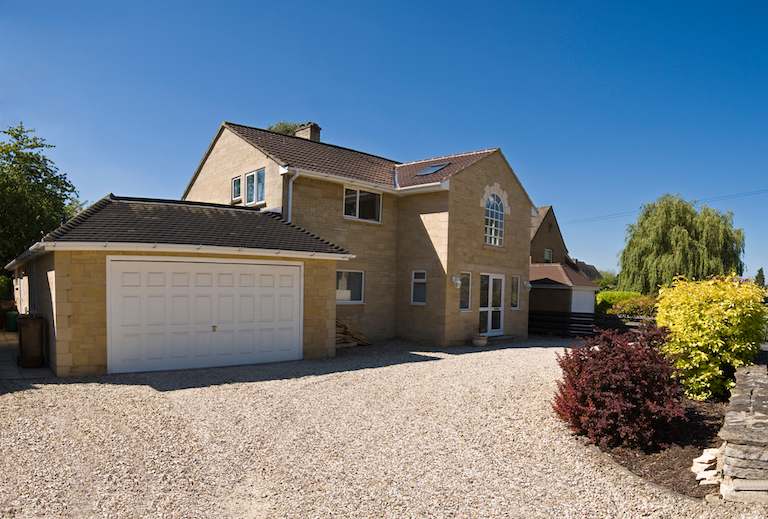
Discover the average gravel driveway cost, including price ranges, installation factors, and tips to help you budget for your new gravel driveway.
Don’t get stuck between a rock and a hard place with these must-know differences

Crushed gravel and natural gravel both provide drainage and hardscaping solutions, but crushed stone has sharper edges while natural gravel is smoother.
Crushed stone costs $20 to $115 per cubic yard, while gravel ranges from $15 to $250 per cubic yard depending on the stone type.
Your choice between crushed stone and gravel depends on your project needs: industrial applications suit crushed stone, while aesthetic landscaping calls for natural gravel.
Hiring a local gravel delivery professional keeps your project on track by recommending the right material for driveways or pathways and handling delivery logistics.
If you're shopping for hardscaping materials for your driveway or landscape, two popular options you may have come across are crushed stone and gravel. While these materials seem similar at first glance, each stone landscaping option has its own properties, cost, and features that could make one or the other a better fit for your home. Not to fear—we’ve broken down the differences between crushed stone vs. gravel to help you choose the best material for any project.

Crushed stone and gravel both serve as staple hardscaping materials around the home, but these two options have plenty of differences worth keeping in mind as you plan your project. Here are some of the key differences between crushed stone vs. gravel.
| Type of Difference | Crushed Stone | Gravel |
|---|---|---|
| Appearance | Neutral | Colorful |
| Cost | Budget-friendly | More costly |
| Properties | Man-made | Naturally occurring |
| Shape | Sharper | Smoother |
| Size | Varies | Limited |
| Use | Usually for applications | For aesthetics |

Crushed stone typically consists of such and such stone broken up into smaller pieces. Because machines crush the pieces according to set sizes, crushed stone has a uniform, neutral appearance. Most crushed stone comes in shades of gray or white. If you plan on using crushed stone in your yard, this may make it more suitable for a modern landscape aesthetic.
However, if you're looking for a more earthy or rustic aesthetic, then gravel may be better suited for your home. Because gravel occurs naturally, there is more variety in the colors and overall appearance of the stones. You can find gravel in shades of white, gray, brown, red, blue, white, and orange, which allows you to better customize your landscape.
Crushed stone can cost anywhere from $20 to $115 per cubic yard, depending on the type of stone. Crush and run, or crusher run, costs the least, while crushed limestone costs the most. Not every type of stone comes in a crushed form, so you'll find that there might be fewer options within your price range if you're looking for crushed stone compared to gravel.
Gravel can cost anywhere from $15 to $250 per cubic yard. The wider difference stems from the variety of stones available in their natural forms. Pea gravel costs between $15 and $75 per cubic yard and is a popular, budget-friendly gravel material for many landscaping projects, while caliche falls at the top of the price range, with prices ranging from $20 to $250 per cubic yard.
Because crushed stone comes in larger sizes and mixed bags with a combination of different sizes, it performs better as a drainage solution for pipes, drains, and erosion prevention. Crushed stone also performs better in areas of the yard where you want to keep the stones in place because its rougher textures and shape keep the stones from moving around as easily.
Gravel is more likely to shift due to its smaller size, smoother texture, and rounder shape. This means your gravel could end up in places you don’t want it, like the lawn and inside the house. While larger gravel also works as an excellent drainage solution, smaller stones can get washed away in storms, so always choose larger sizes if your goal is to increase drainage on your property.

As the name suggests, crushed stone comes from larger rocks—usually limestone or granite. The man-made process of creating crushed stone involves machinery crushing the rocks. After the rocks are crushed, they are sorted by size.
Gravel, on the other hand, has been naturally smoothed and polished over time by the elements, making it much easier on the feet and less jagged in appearance. You may find more color variety in the individual pieces of natural gravel than you would in crushed stone because gravel can come from any naturally occurring stone. Some of the most common types of gravel include pea gravel, river rock, lava rock, and caliche.
Since crushed stone is man-made and processed, it contains uneven, sharp, and angular edges. The pieces are also more precise in size than gravel, making them better suited for places and projects where consistency is key. At the same time, many manufacturers sell mixed bags of crushed stone for projects that need a variety of sizes, including crushed stone bases, middle layers, and top layers for foundational projects.
Gravel tends to have a smoother shape, with round or oval pieces. You’ll also notice that gravel has more size limitations because it’s naturally occurring, whereas crushed stone can be customized and sorted by all kinds of sizes. Gravel is usually smaller than crushed stone and more consistent in size and shape. For example, pea gravel comes in a smaller size, isn’t typically manufactured into smaller pieces, and can’t be found in larger pieces.
Crushed stone is often used for industrial and construction purposes. It may be used for gravel driveways, backfill, drainage, and aggregates. Very large crushed stone is also used in commercial settings and for railroads.
Gravel is more commonly used for aesthetic purposes. Gardens, landscaping, pathways, patios, playgrounds, and gravel driveways benefit from the look, feel, and features of natural gravel. Gravel driveways cost between $500 and $3,500, which can save you money on your project compared to concrete or asphalt driveways.
It’s important to note that both gravel and crushed stone can be used interchangeably in many home improvement projects. If you’re planning to start a project with rock hardscaping materials, speak to a gravel delivery company near you to see what they recommend is best for the job.
I conferred with 2 other contractors before Armstrong Electric. Nick and his crew showed me that the project was not as convoluted as the other contractors made it appear to be. They completed the entire project on time. They were professional, friendly and cleaned up after at completion. I...
 ARMSTRONG ELECTRIC, LLC
Supreme Brick & Chimney did an excellent job restoring the brick and mortar joints on my home. Their team was professional, knowledgeable, and completed the work on time. I highly recommend them and will hire them again in the future! Thanks!
 Supreme brick & chimney
When we had the winter freeze, I called Quantum Waterworks Waterline & Drain Cleaning Services and within 1 hour I received an e-mail and he sent someone out the next day and he was on time, he was nice and did the job quickly and cleaned up after himself. We had a leak in our kitchen from...
 Quantum Waterworks Waterline & Drain Cleaning Services, LLC
On time, clean and finished fast. Windows seem sturdy and the finish is good. Caulking was done with no smudges. Would recommend.
 Window Depot USA of Central Ohio
Great job...edging and pre clean up went well with a great job with seal coat. Friendly, efficient and professional.
 All Star Paving and Sealing
They are very reliable and available. They the drains all the time
 The Waterworks
We were having 2”x 2” tile installed . There was a small installation error and the new additional replacement tile was from a different lot and the colors didn’t match. Joe assured us that he would rectify everything , which he did without hesitation. We decided to go with the 18” x 36” tile...
 CarifaTile
From average costs to expert advice, get all the answers you need to get your job done.
Discover the average gravel driveway cost, including price ranges, installation factors, and tips to help you budget for your new gravel driveway.
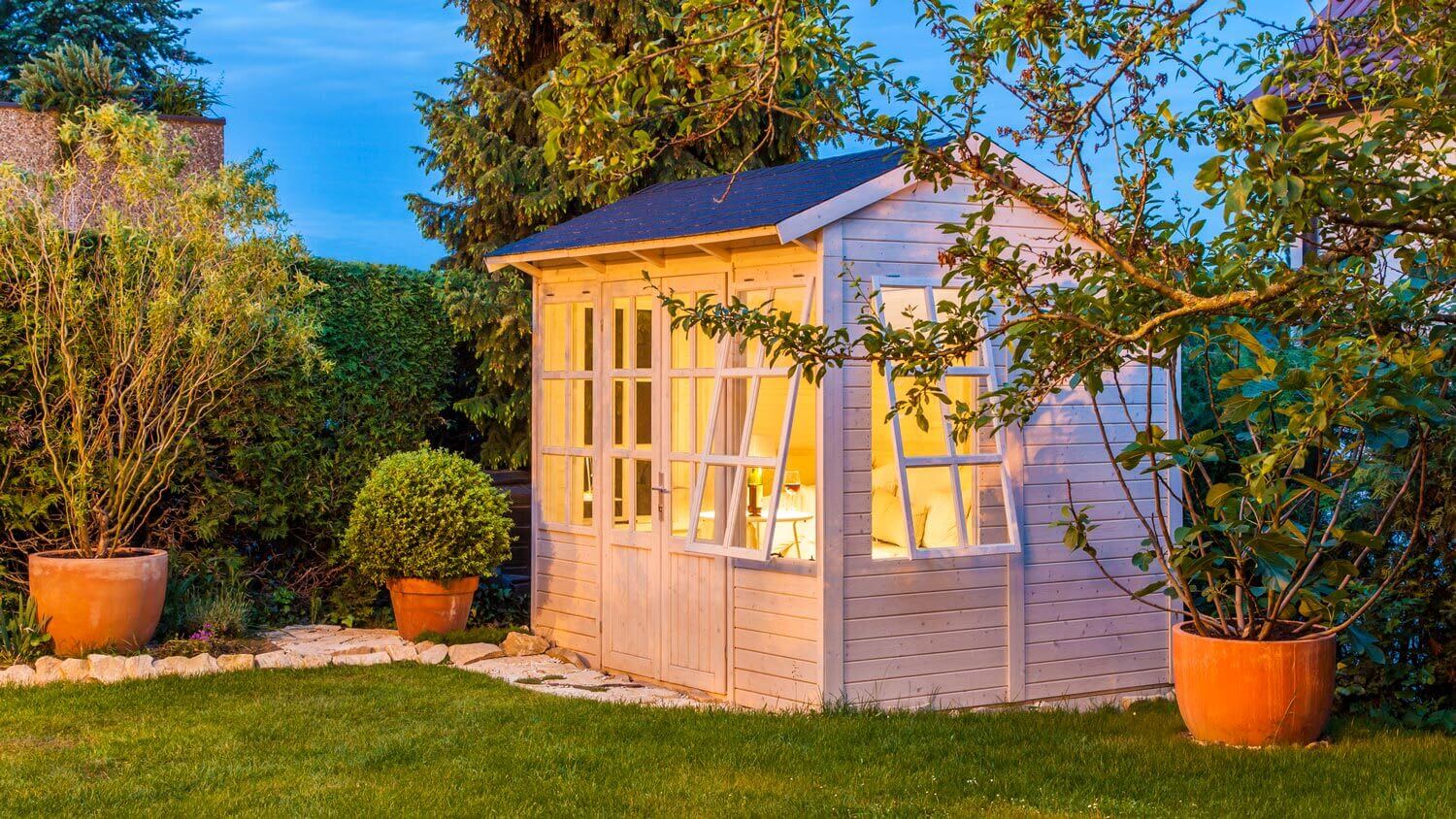
Discover the average gravel pad for shed cost, including installation, materials, and tips to save money. Get a detailed breakdown to plan your shed foundation project.
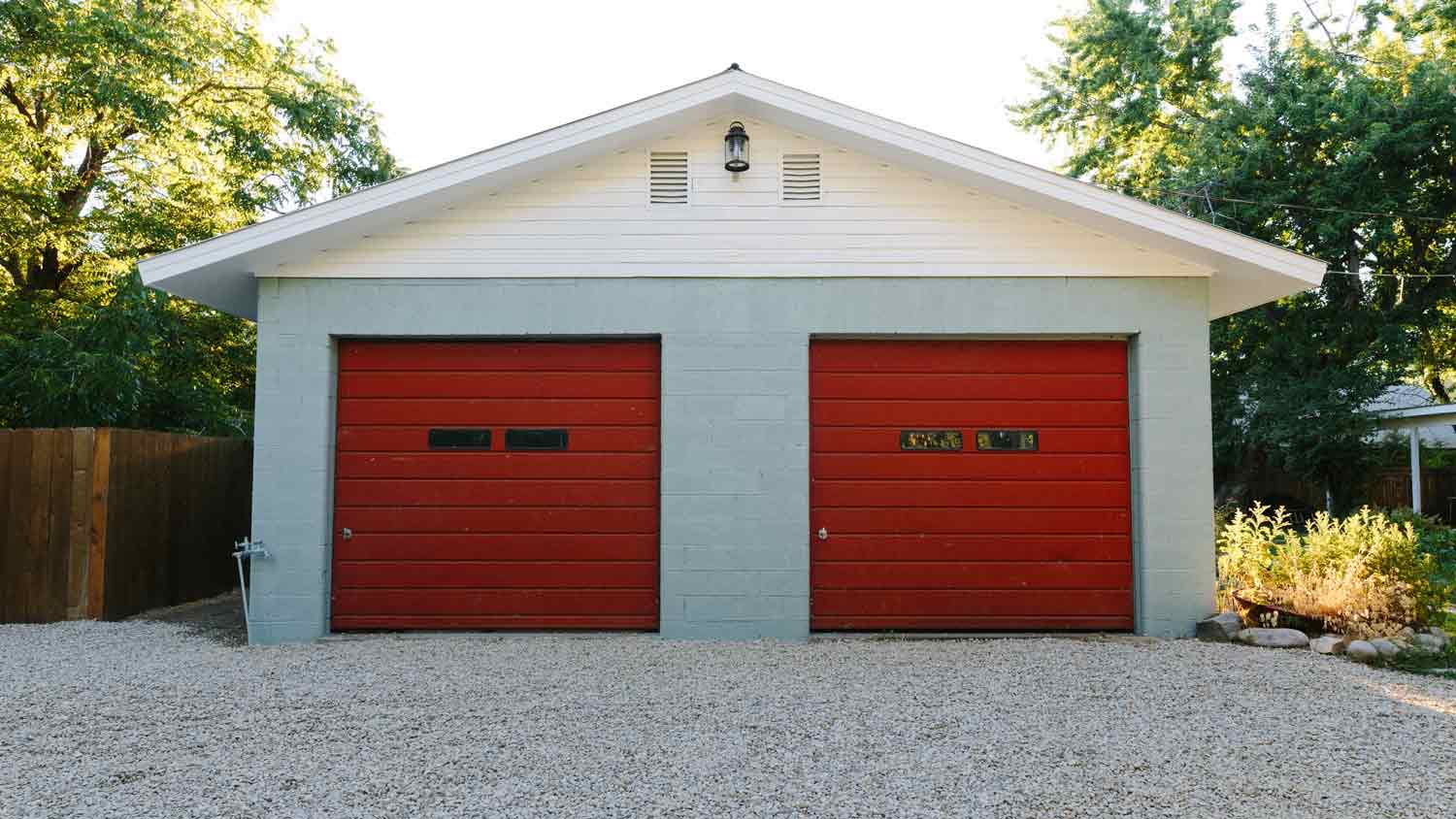
This guide to popular types of gravel for driveways will help you evaluate the best gravel material when looking for stability and aesthetic appeal.
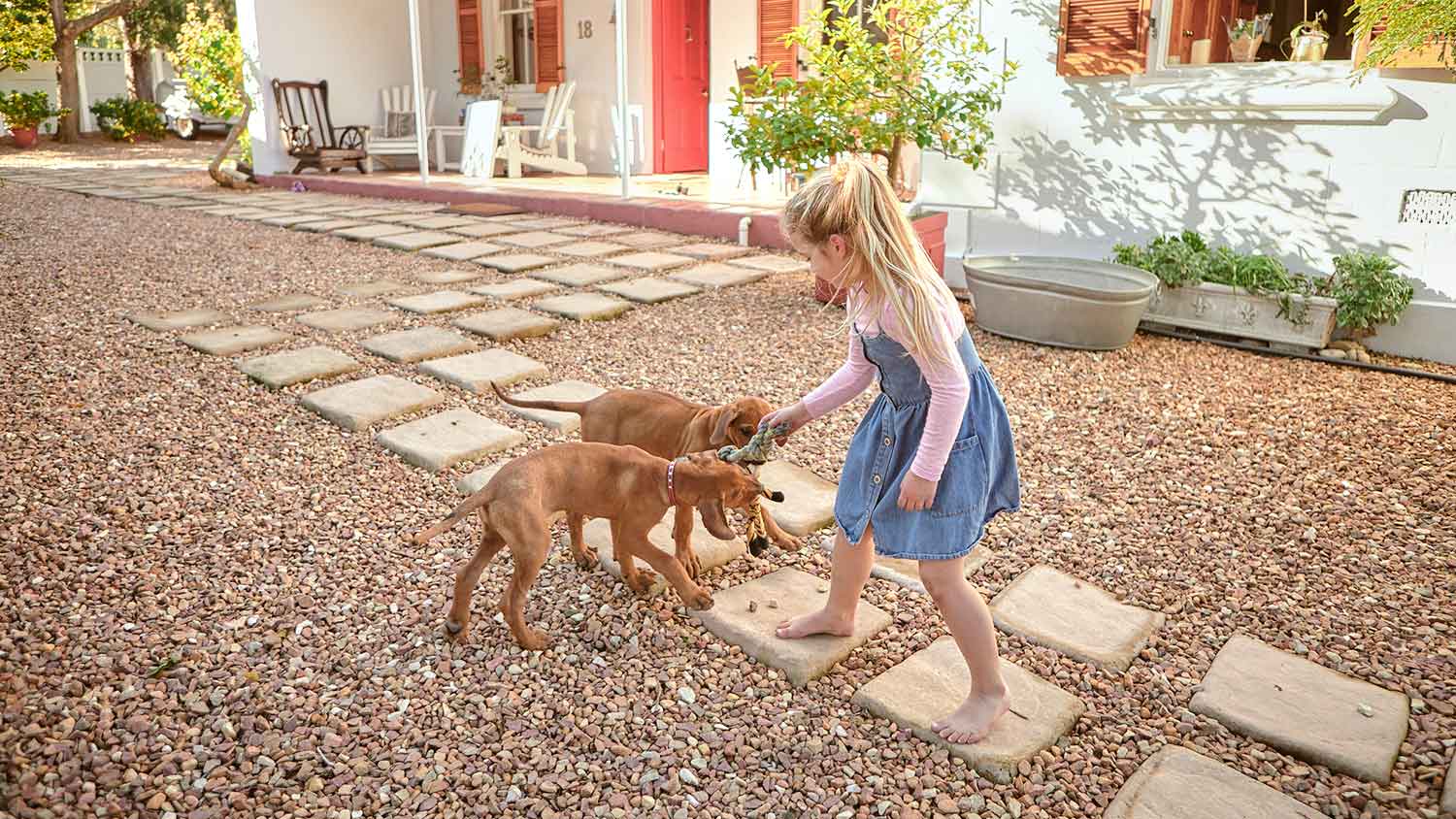
Trying to choose the right gravel? Use this guide to gravel sizes to determine what dimensions will best suit your landscaping, driveway, or foundation project.
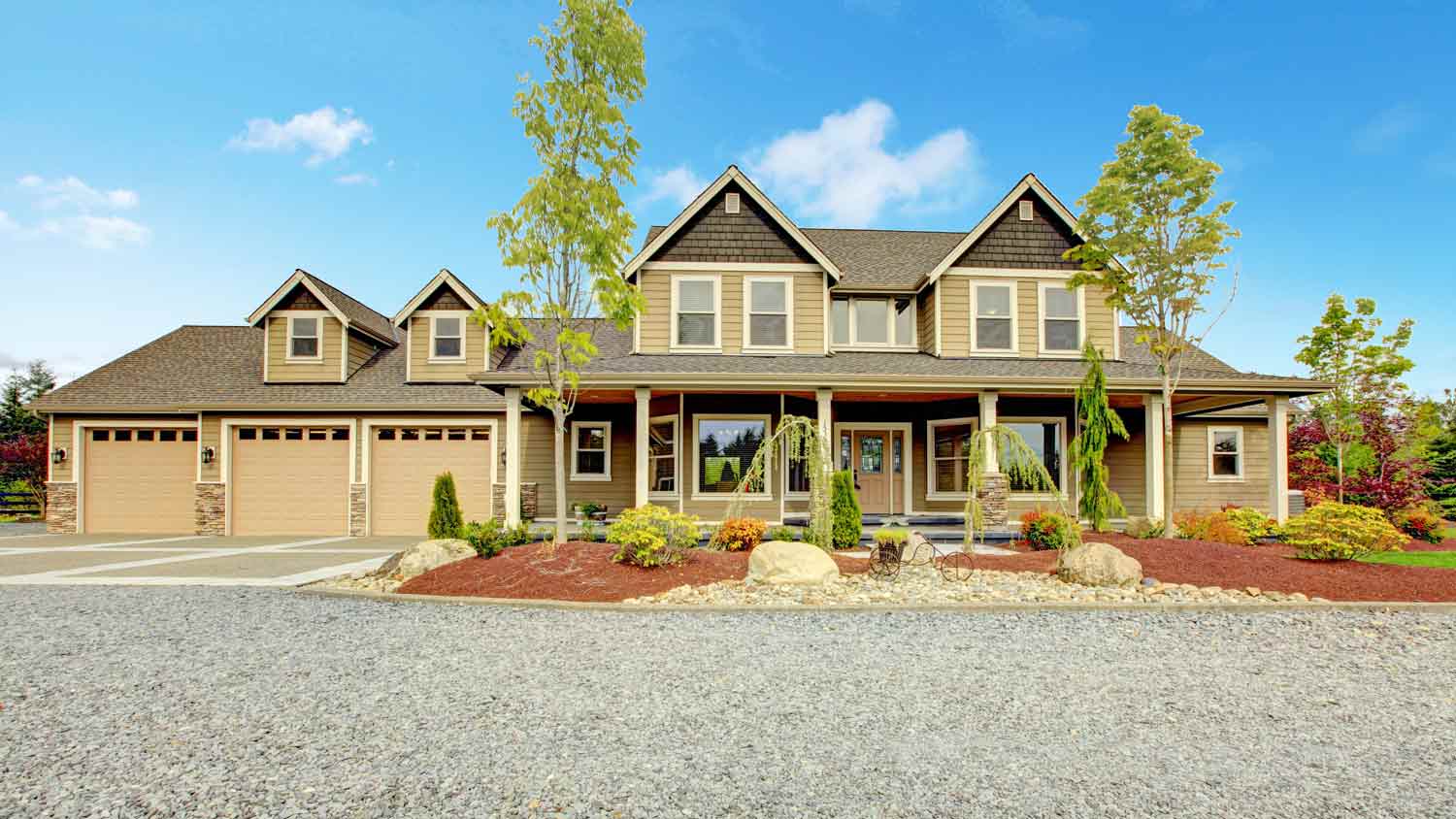
Wondering whether to use large or small gravel? This guide breaks down the key differences based on factors like drainage, stability, and maintenance to help you choose the right size for your project.
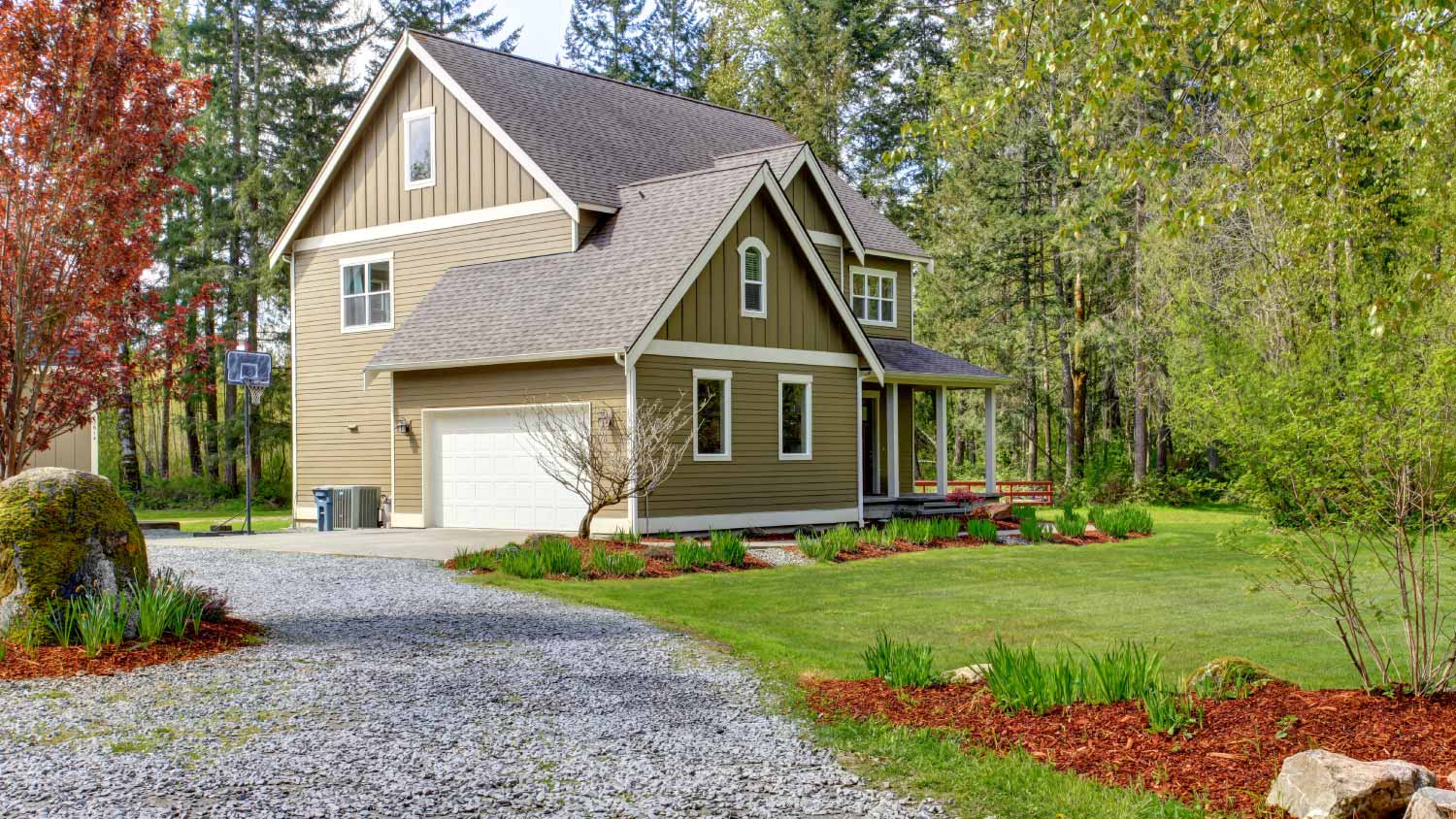
There are six types of gravel for driveways. This guide explains the pros and cons of each type so you can choose the best gravel for your driveway.