


Top-rated leaf removal pros.

Get matched with top leaf removal pros in Unionville, MO

Enter your zip and get matched with up to 5 pros

Need a pro for your leaf removal project in Unionville, MO?

Select your specific project to find the pro for you.

Find Leaf removal pros in Unionville

Avatar for Moving APT - Long Distance Movers
Moving APT - Long Distance Movers
4.5(
282
)
Waste, Junk, Building Materials and Debris - Remove and Haul

Serving Unionville, MO and surrounding areas

In business since 1999

Free estimates

Credit card accepted

"The call came from work and asked me to move as soon as I could. I hired Moving APT to hurry up the moving process. They were just brilliant. I think some levels of trust are really needed between the client and the moving company because essentially you are entrusting them with everything you own. The movers were very good at building trust. They listened to me, paid attention to packing and carried everything with extra caution. Even the guy on the phone when I first called them seemed very friendly and polite. I felt very comfortable leaving my valuables in their hands for 3 days. When they delivered everything on the due date, there was no harm caused to anything at all. Turns out these men are the best in business and hiring them was a no brainier."
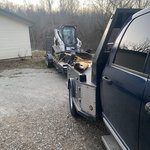
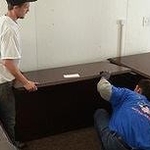
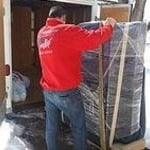
Additional Photos
Additional Photos
Additional Photos
Recommended by88%of homeowners
Showing 1-10 of 35
Leaf Removal questions, answered by experts

If your home was built before 1978, there’s a chance that any paint on your hardwood floors could be lead paint—especially if it was already there when you moved in. Because lead is toxic, hiring a licensed pro to remove it is mandatory. The average price for professional lead paint removal ranges from $1,500 to $5,300 and depends on the scope of the project.

By using PPE, sealing work areas, and following containment procedures.

The EPA enforces hazardous waste laws and ensures people dispose of their hazardous waste responsibly. Depending on where you live, your state’s hazardous waste regulatory agency may also enforce these laws. Individually, it’s up to each household to properly dispose of their hazardous waste.

The best disposal method for hazardous waste is recycling or donation, if possible. That way, the world can reduce its consumption of raw materials and the volume at which materials have to be treated and disposed of. If recycling or donation is not an option, most waste can be disposed of through landfills or incinerators, but their collection and treatment are separate from regular day-to-day waste disposal. 

According to the Environmental Protection Agency (EPA), hazardous waste is generally classified into four main categories:

1. Characteristic Wastes: These exhibit at least one of four hazardous traits: ignitability (flammable, like gasoline), corrosivity (can rust or decompose materials, like car batteries), reactivity (unstable and can explode, like aerosol cans), or toxicity (harmful when ingested, like lead-based paint).

2. Listed Wastes: These are specific wastes from manufacturing and industrial processes that the EPA has officially designated as hazardous. They include byproducts from processes that use solvents, pesticides, and other chemicals.

3. Universal Wastes: These are commonly generated hazardous items that are subject to streamlined regulations. Examples include batteries, pesticides, mercury-containing equipment (e.g., bulbs), and some lamps.

4. Mixed Wastes: This category includes waste that contains both hazardous and radioactive components, making it subject to regulation by both the EPA and the Nuclear Regulatory Commission.

The Unionville, MO homeowners’ guide to leaf removal services

From average costs to expert advice, get all the answers you need to get your job done.