





Top-rated masons.

Get matched with top masons in Trenton, MO

Enter your zip and get matched with up to 5 pros

Need a pro for your masonry work project in Trenton, MO?

Select your specific project to find the pro for you.

Find Masons in Trenton

Avatar for Hogan Concrete LLC
Hogan Concrete LLC
5.0(
6
)
Concrete Foundation - Install

Serving Trenton, MO and surrounding areas

Approved

In business since 2018

Free estimates

Customers say: True professional

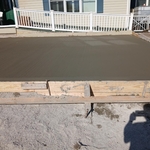
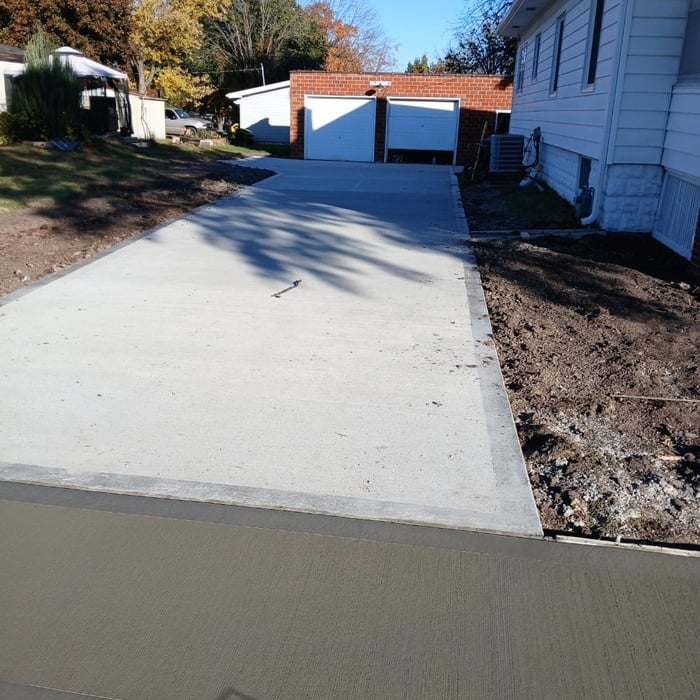
"Hogan's Concrete was a pleasure to meet and work with. Right on schedule, excellent work ethic, exact specs, and they go the extra mile to build it right. They communicated well and had very pleasant employees. We were very pleased with the end product. Very obvious that they are experts in their trade with years of experience. We would highly recommend them to anyone for their projects. Thank you Nick Hogan."
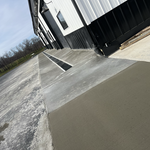
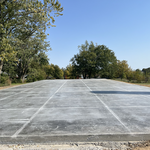
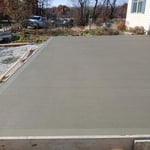
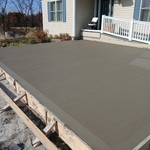
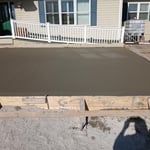
Driveways - Concrete Project
Additional Photos
Additional Photos
Additional Photos
Additional Photos

+55

Response time4 days
3 neighbors recently requested a quote
Recommended by83%of homeowners

Avatar for Thrasher, Inc.
Thrasher, Inc.
4.1(
182
)
Foundation, Basement or Crawlspace - Waterproofing / EncapsulationConcrete Foundation - RaiseConcrete Foundation - Repair+2 more

Serving Trenton, MO and surrounding areas

Approved

In business since 2014

Free estimates

Warranties offered

"Big shout out to Dil and Cruise for doing a splendid job . They were very courteous, patient enough to listen to my concerns and very friendly. The Job was to lift the concrete and seal the joint and cracks . Time will tell how well the seal will hold especially with colorodo weather but so far happy the result. Thank you Trasher."
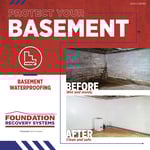
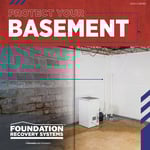
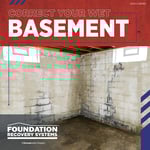
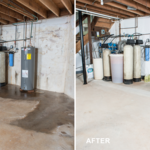
Basement Waterproofing Before and After
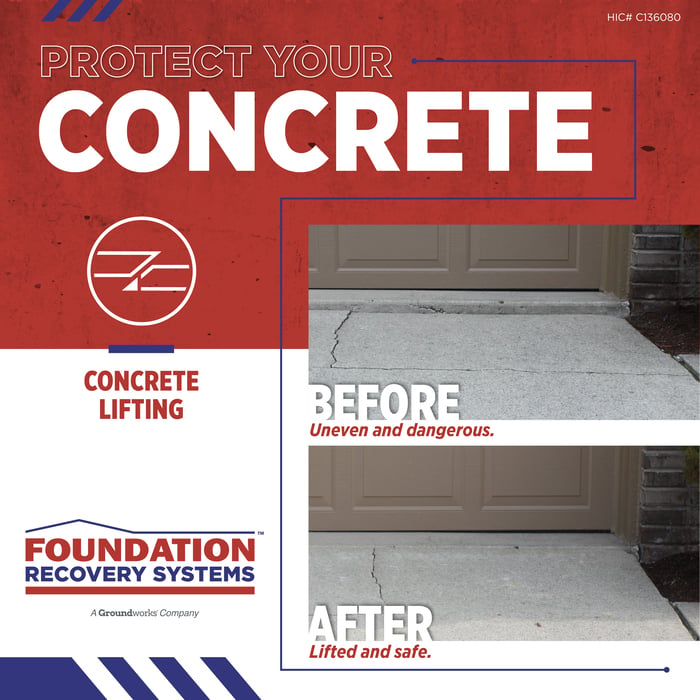
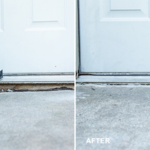
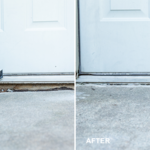
Concrete Repair Before and After
Thrasher Services
Thrasher Services
Thrasher Services

+12

Response time2 days
981 neighbors recently requested a quote
Recommended by83%of homeowners
Avatar for Advanced Foundation Repair & Replacement
Advanced Foundation Repair & Replacement
5.0(
30
)
Basement Drainage Channels - InstallBasement Drainage Channels - RepairConcrete Foundation - Raise+3 more

Serving Trenton, MO and surrounding areas

Emergency services offered

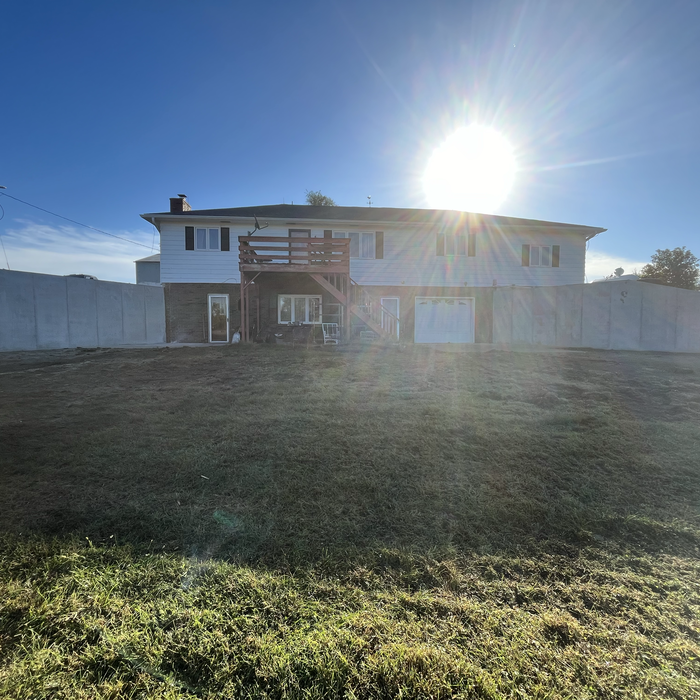
"They were responsive to every call, did the work professionally and cleaned up nicely.  We would not hesitate to recommend them to friends and family.  We had two leaning columns in the back yard that are now straight and piered so they will never shift again.  They then removed a large area of cracked cement and relayed.  It looks fantastic!
"
Additional Photos
Additional Photos
Additional Photos
Additional Photos
Additional Photos

+2

Recommended by100%of homeowners
Showing 1-10 of 47
Masonry questions, answered by experts

No, you shouldn’t lay bricks directly on dirt. While it might seem like a shortcut, it leads to a patio that shifts, sinks, and becomes a maintenance headache. Dirt expands, contracts, and erodes—none of which mix well with long-term stability. To build something that lasts, excavate the topsoil, compact a layer of crushed gravel, and add a coarse sand-setting bed. This layered base gives your bricks proper support, allows drainage, and helps block weeds from creeping through. Cutting corners here just means you’ll spend more time—and money—repairing your brick patio later.

The difference between river rock and landscaping rocks is size, smoothness, and use. River rocks are smooth and flat, as if polished by water, and come in diameters between 1 and 8 inches. Landscape rock can vary in size from small pea gravel installations to car-sized boulders. However, landscaping and river rocks are interchangeable in many situations. River rock is best for pathways, walkways, garden bed mulch, water features, and planting accents, while small landscape rocks can serve as a walkway base, gravel playground areas, and filler between pavers.
Masonry uses units like bricks, cement blocks, and stone with mortar between them. Mortar is generally made of sand and a type of cement. Examples of masonry include the brick or stone on a house, chimney, or freestanding wall. Concrete is a mixture of water, sand, stone aggregate, and other materials, and is poured into forms or moldings. Types of concrete applications include driveways, garage and basement floors, and poured concrete walls in basements and crawl spaces.

It is possible, albeit a lot slower, to break up a rock using water. You would do this by freezing and thawing the water. You could create some initial holes or cracks in the rock, then pour water into the cracks or holes and allow them to freeze (so it's best to do this in winter or in colder climates). Since water expands when it freezes, this puts pressure on the inside of the rock and causes it to crack. You could continue to pour more water in and let it freeze to continue to break up the rock.

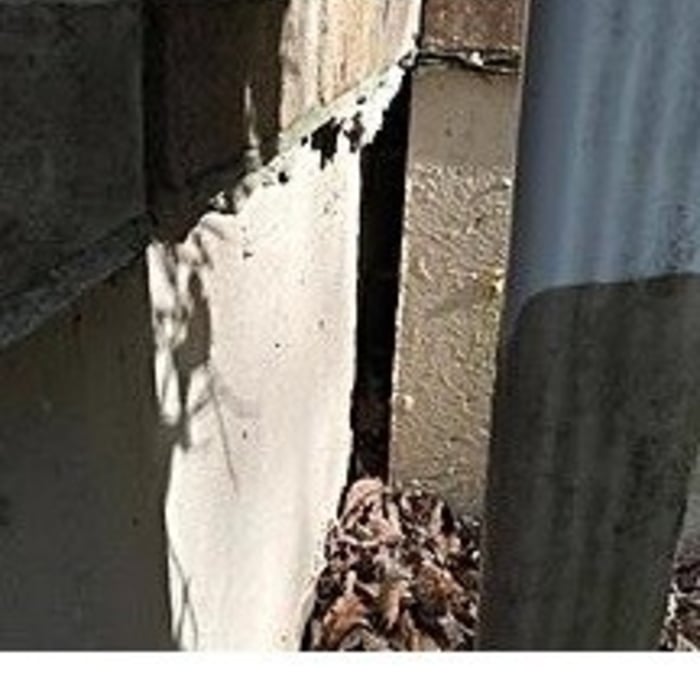
Yes, it is normal to see some minor hairline cracks in brick or mortar over time, often due to natural foundation settling. However, not all cracks are harmless. You should be concerned and contact a masonry professional for an inspection if you notice cracks that are getting wider or longer, or if new ones keep appearing. Other serious warning signs that can indicate significant structural or foundation damage include large vertical cracks (especially those that widen as they go up), stair-step cracks, L-shaped cracks, and deep horizontal cracks. Factors like temperature changes, moisture, and structural loading can also cause cracks to form or worsen.
The Trenton, MO homeowners’ guide to masonry services

From average costs to expert advice, get all the answers you need to get your job done.