







Top-rated carpenters.

Get matched with top carpenters in Sikeston, MO

Enter your zip and get matched with up to 5 pros

Need a pro for your carpentry project in Sikeston, MO?

Select your specific project to find the pro for you.
Carpentry questions, answered by experts

Bump-out additions can add some space to a closet without requiring any significant structural work. This entails pushing back the existing rear or side of the closet, simply moving the wall into either an adjacent room or unused space. For ground-floor closets, this could even be extended to the exterior of the home, but that has its own complications. Bump-outs are a good discussion to have with your contractor if you’re just looking to increase the space a little—not renovate the entire closet space.

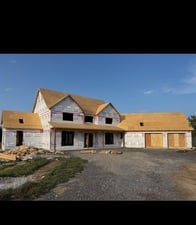
Begin by analyzing the blueprints and gathering the proper materials before framing a house. With the prep stages behind you, begin by framing the floor of a house on the newly set foundation. Exterior and interior walls come next, along with rough openings for doors and windows. Contractors will then add ceiling and roof rafters to finish things off. 

Bump-out additions can extend anywhere from 2 to 15 feet from an existing room. The right size will depend on how you plan to use the new space. For a cantilever bump-out, which doesn't require additional foundation support, the limit is typically 24 inches (2 feet). If a footing and foundation are part of the project, a bump-out can be much larger, even encompassing a whole room. It's also important to remember that many residential properties have limits on the total house size relative to the lot size.

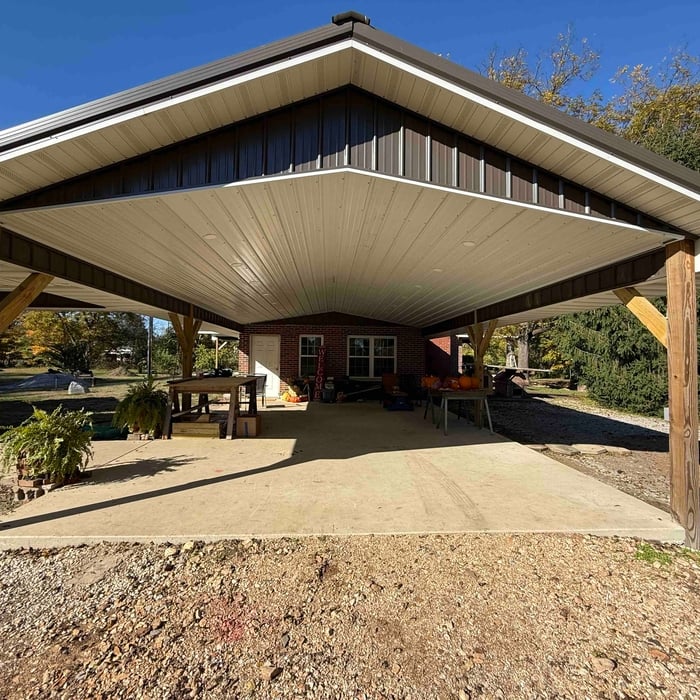
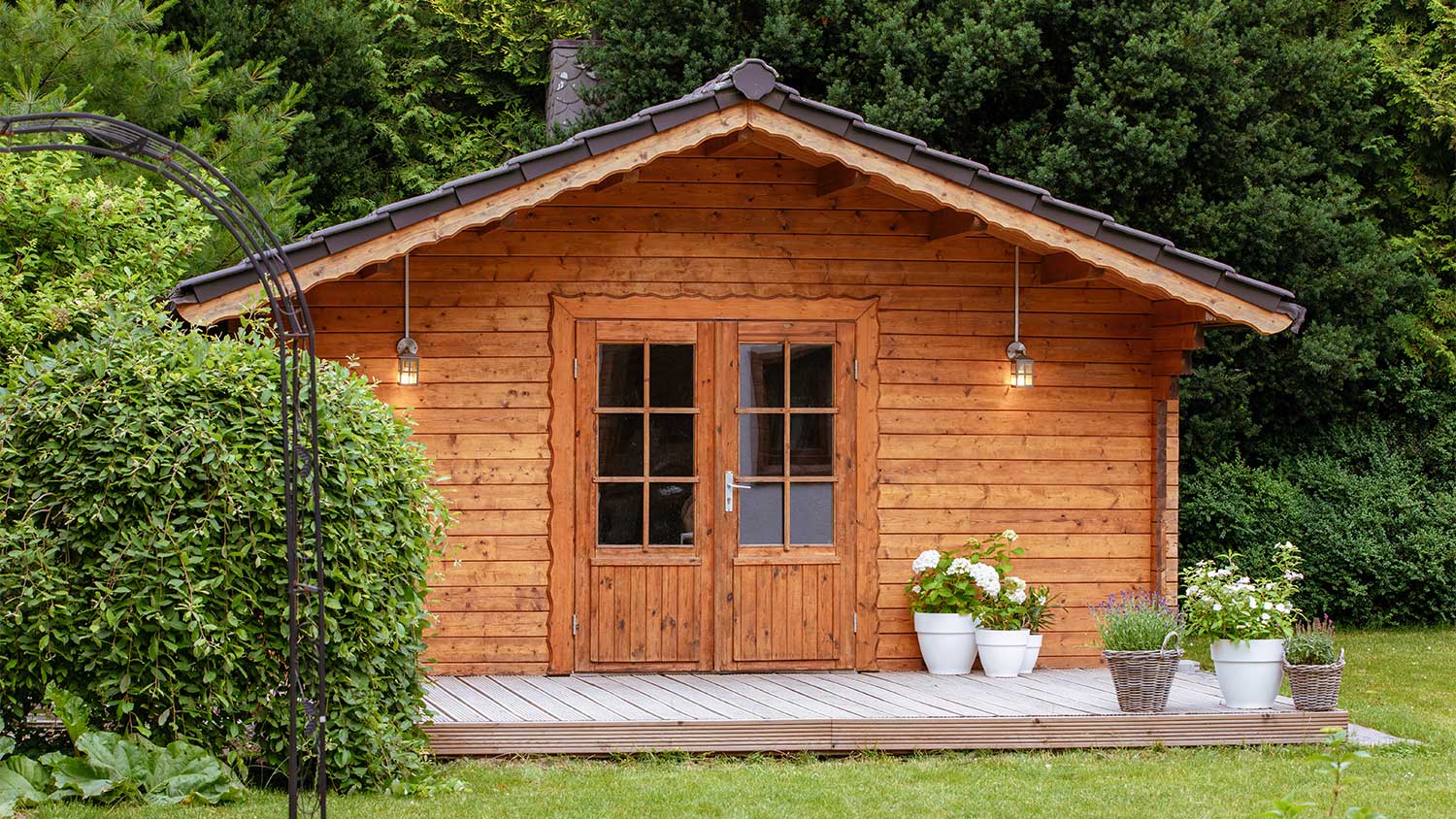
You can enclose an open carport, however, there are several things to consider before opting to do so. You'll want to check local building codes and permit requirements before proceeding to make sure it’s legal. While you can sometimes stick-frame a carport enclosure, pre-fab kits are also available. Remember that you'll likely need to meet concrete slab regulations and provide lighting inside the structure. Both of which could substantially drive up costs.

Removing a load-bearing wall is best handled by professionals. However, if you have the skill set and decide to DIY the project, you will still need at least one additional person to assist you. Aside from helping with demolition, you'll need another hand to install the new support beam.