


Top-rated fireplace pros.

Get matched with top fireplace pros in Seligman, MO

Enter your zip and get matched with up to 5 pros

Need a pro for your fireplace service project in Seligman, MO?

Select your specific project to find the pro for you.

Find Fireplace pros in Seligman

Avatar for RUSTIC HEAT LLC
RUSTIC HEAT LLC
5.0(
7
)
Brick or Stone Fireplace (Gas) - RepairBrick or Stone Fireplace (Non-Gas) - RepairClean and Inspect a gas fireplace+4 more

Serving Seligman, MO and surrounding areas

In business since 2025

Free estimates

Credit card accepted

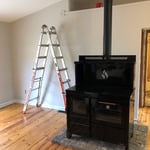
"⭐️⭐️⭐️⭐️⭐️ Rustic Heat did a fantastic job installing my new wood-burning fireplace insert and a new flue. Their work was professional, clean, and done right the first time. I was so impressed that I signed up for their $400 annual cleaning and inspection plan to keep everything in top shape. Highly recommend Rustic Heat — they really know what they’re doing!"
Avatar for Weather Proofing Experts LLC
Weather Proofing Experts LLC
4.8(
107
)
Brick or Stone Fireplace - Repair

Serving Seligman, MO and surrounding areas

In business since 2004

Free estimates

Emergency services offered

"We had a tree fall on our house during the recent storms. We got the tree removed and found 5 holes in our roof. We called everyone and they were all a week out. With rain coming we were panicking, until I spoke to Tom. Tom had his crew here within 4 hours to patch up our roof, even though it was getting dark. What great service. Thanks Tom and the crew!!"
Additional Photos
Additional Photos
Additional Photos
Additional Photos
Additional Photos

+5

Recommended by98%of homeowners
Showing 1-10 of 29
Fireplaces questions, answered by experts

Wood is classified as either hardwood or softwood. For firewood, hardwoods are generally the best choice as they tend to burn longer, hotter, and produce less smoke than softwoods. Recommended hardwoods include oak, hickory, maple, cherry, ash, beech, birch, elm, and walnut. Oak is a particularly good option as it's widely available, slow-burning, and doesn't produce much smoke or sparks. Some woods, like oak, hickory, and cherry, also emit a pleasant scent. It is best to avoid softwoods such as eucalyptus, poplar, and willow, as they create a lot of smoke and have a high moisture content that makes them difficult to light and burn efficiently.

Sometimes chimney caps blow off during storms or fall off after rusting away. While this typically won’t cause structural damage, failing to replace a chimney cap can. A chimney cap prevents moisture, animals, and debris from entering your chimney, all of which can cause serious problems, such as damage to the masonry or blockages in the flue.

Fireplace inserts have several potential disadvantages. The cost of the insert and its installation can be a significant investment, as the process can be complicated and expensive, particularly if modifications to the existing fireplace are necessary. Aesthetically, some people find that inserts lack the traditional look and authentic ambiance of an open, crackling fire. There are also ongoing costs for maintenance, cleaning, and fuel. Fuel type can be a limitation; for example, an insert may be unusable if you don't have access to its specific fuel source. Maintenance and repairs can also require specialized services, especially for gas or electric models. Finally, while an insert is more efficient than an open fireplace, it may not heat a home as evenly as a central HVAC system.

Some of the most common chimney problems include:

  • Creosote buildup

  • Chimney blockage

  • Deteriorating brickwork or stonework

  • Cracked chimney top

  • Damaged flashing

  • Flue liner damage or deterioration

  • Damaged chimney cap

If you suspect you have a chimney problem, contact a masonry contractor for an inspection. 

In addition to flashing, a roof cricket can help divert water around your chimney so that it drains properly off your roof. It’s shaped like a double triangle and is installed behind the chimney so that falling water spills evenly down each side. This helps prevent water from accumulating behind your chimney, which can increase water damage and the risk of leaks. 

The International Building Code (IBC) requires cricket installation if a chimney built after 2012 measures over 30 inches in width. Chimneys constructed before that date are typically grandfathered in and aren’t required to have crickets installed.

The Seligman, MO homeowners’ guide to fireplace services

From average costs to expert advice, get all the answers you need to get your job done.