

Top-rated energy efficiency auditors.

Get matched with top energy efficiency auditors in Patterson, MO

Enter your zip and get matched with up to 5 pros

Need a pro for your energy efficiency auditing project in Patterson, MO?

Select your specific project to find the pro for you.

Find Energy efficiency auditors in Patterson

Tri State Solar Power, LLC
New to Angi
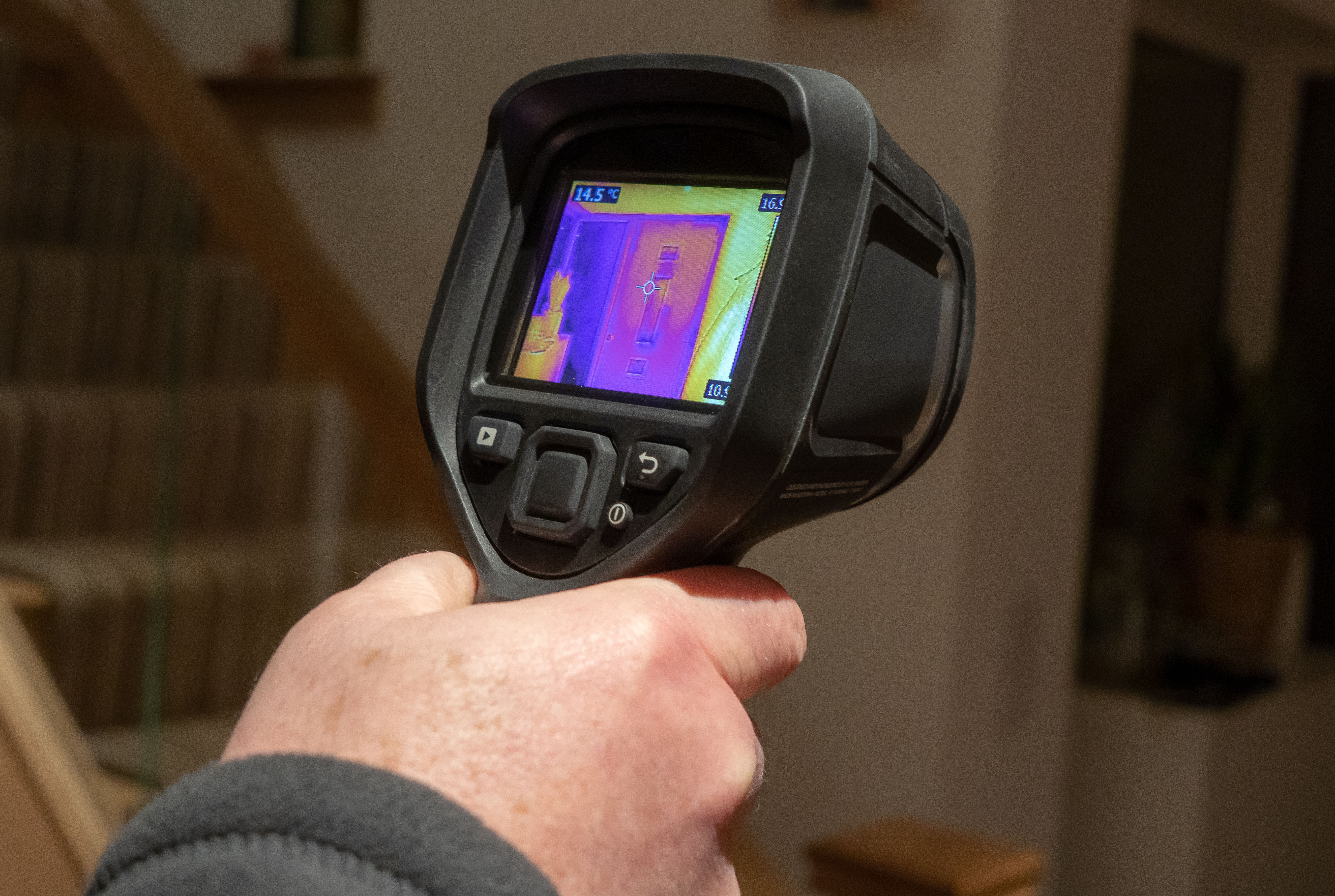
Home Energy Audit

Serving Patterson, MO and surrounding areas

In business since 2019

Free estimates

We take great pride our experience, expertise, quality, and customer service that we provide to meet the consumers' needs. It is our mission to provide excellent workmanship, and complete customer satisfaction from start to completion of a project. order to understand the needs, and expectations of our customers, we take great care to work, and communicate with every customer a professional manner. Our reputation is based on service, safety, and quality, regardless of how large or small the job.

Fitzgerald Electrical Services -
New to Angi
Energy Audit - For BusinessHome Energy Audit

Serving Patterson, MO and surrounding areas

In business since 2009

Free estimates

Emergency services offered

Fitzgerald Electrical Services is an obvious choice for all your electrical needs. We have the power to perform and can handle any job from computer networking to electrical wiring and panel upgrades for a remodel or addition. We are experts in the installation of in-ground pools and can also assist with repair work associated with your swimming pool and the accessories and equipment. Free Estimates within 30 min drive We proudly obtain a Cape Gerardo License #852, expires March/2014. Outdoor lighting, home theater systems, telephone jacks, surveillance systems, etc..."If There is Wire to It...We Do It".

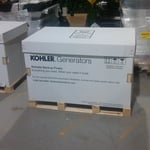
Kohler Emergency Generators and Transfer Switches
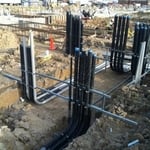
 Undergound Electrical Conduits/ Electrical Room
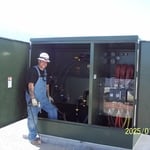
High Voltage Transformer
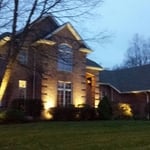
 Landscape Lighting Design and Installation
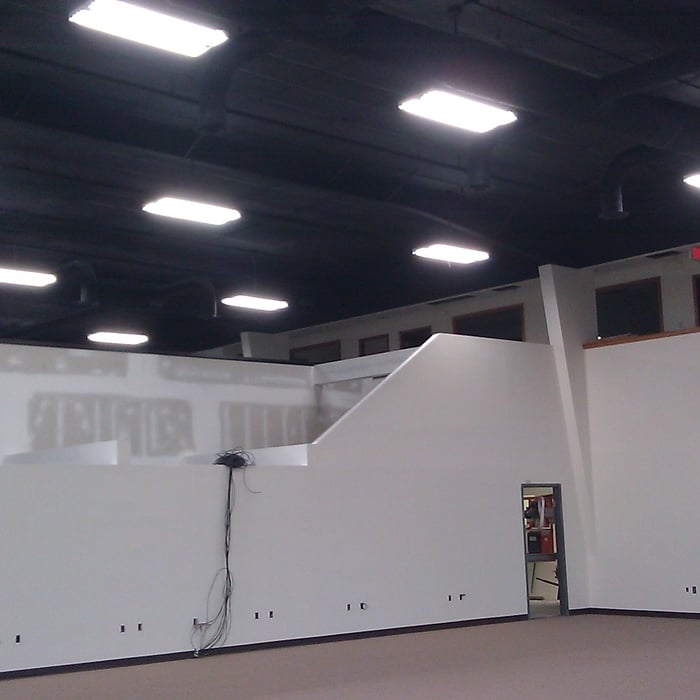
 Data Center Lighting

+15

Energy Efficiency Auditing questions, answered by experts

Leaving vents open but closing doors in unused rooms will probably not save money on your energy bill. Closed doors prevent the natural flow of air throughout the home, which could reduce the efficiency of the overall HVAC system. They could also restrict airflow into and through the return vents, making the HVAC system less efficient.

HVAC systems use the most household electricity. This major and essential system is responsible for heating and cooling your home all year round. Since they operate for a significant amount during the day, it consumes more energy than other appliances. 

Not all homes are suited for solar panel systems. Older roofs or those in poor condition may need repairs or replacement before solar panels can be installed. Some other factors to consider are the amount of sunlight your roof receives, the roof’s orientation and pitch, and any shading from nearby trees or buildings.

A small sump pump running infrequently uses an average of 10 kilowatt-hours (kWh) of electricity per month. The average cost for electricity is $0.171 per kWh. The size and use frequency affect how much electricity it uses. Sump pumps average one-third to one horsepower (hp) motors. One hp is equal to 745.7 watts. Watts multiplied by the time your pump is running divided by 1,000 equals your average kWh. Multiply kWh by your average cost of electricity. In areas with high rain or a marsh basin, the average cost can be as high as $15-$25 a month.

STC (Sound Transmission Class) is a rating that describes how well a building material or assembly blocks airborne sound. A higher STC rating means less noise will pass through the material, providing better sound reduction. This rating system applies to various building components, including windows, doors, flooring, drywall, and insulation.

For context, a typical single-pane window has an STC rating of around 25 (where normal conversations are audible), while a well-sealed, double-pane window can exceed STC 45 (blocking loud speech and most music). It is important to note that for some products, like soundproofing drywall, the STC rating refers to the entire wall system, not just the individual panel.

Additionally, STC ratings are most effective for measuring sound reduction at mid-to-high frequencies, such as human speech, and may not accurately reflect how well a material blocks low-frequency sounds like bass music or thunder. Because of these factors, it is recommended to consult a professional to determine the right STC-rated materials for your specific soundproofing needs.

The Patterson, MO homeowners’ guide to energy efficiency auditing services

From average costs to expert advice, get all the answers you need to get your job done.