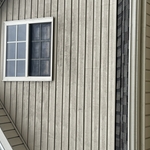
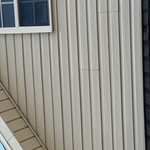
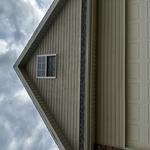
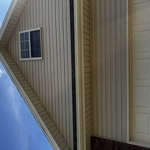
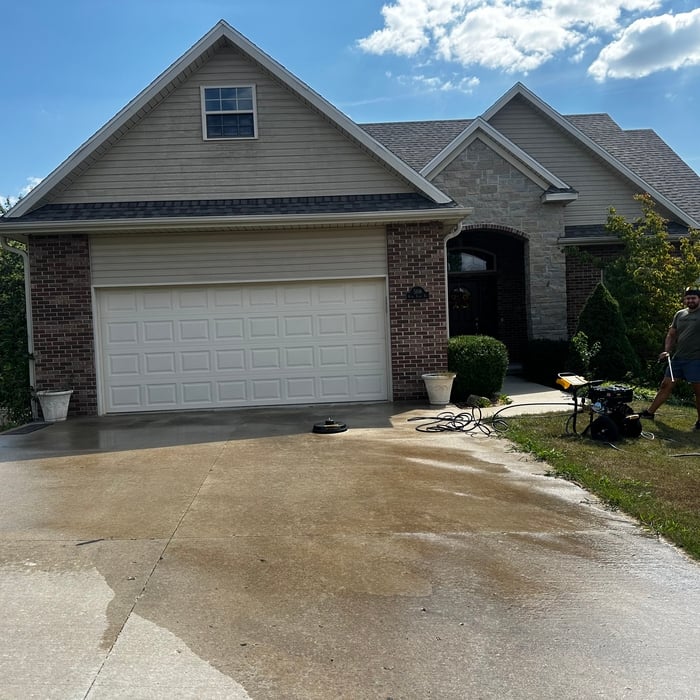
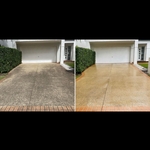
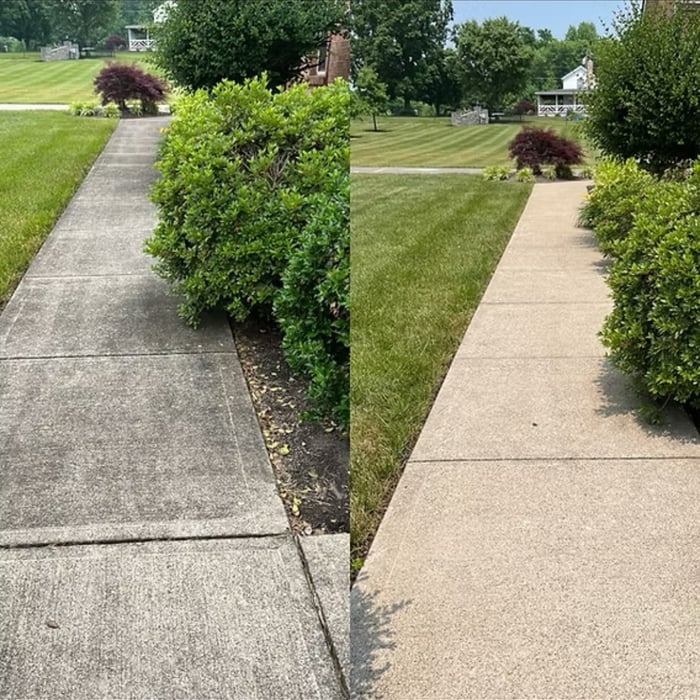
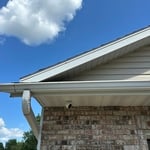
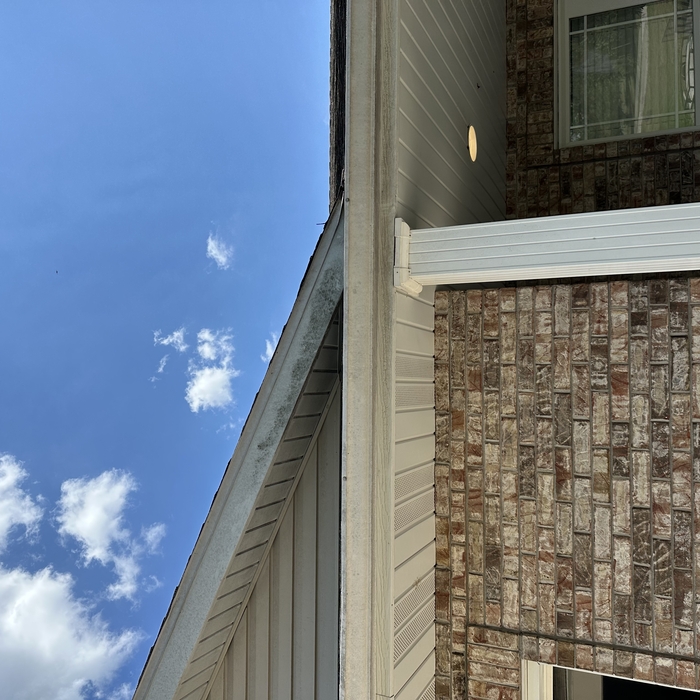
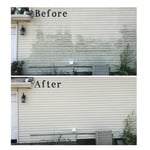
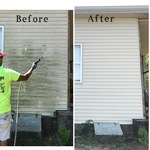
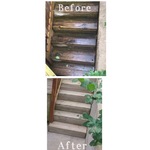
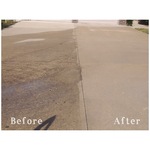
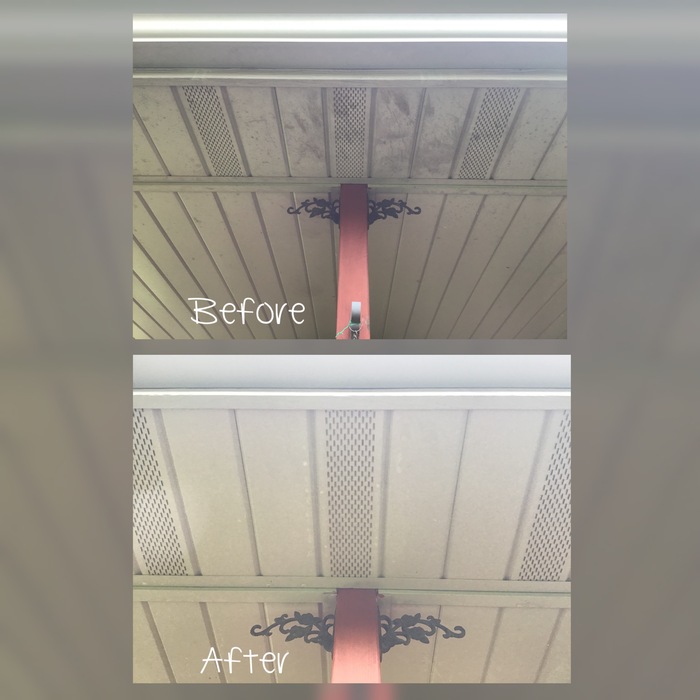
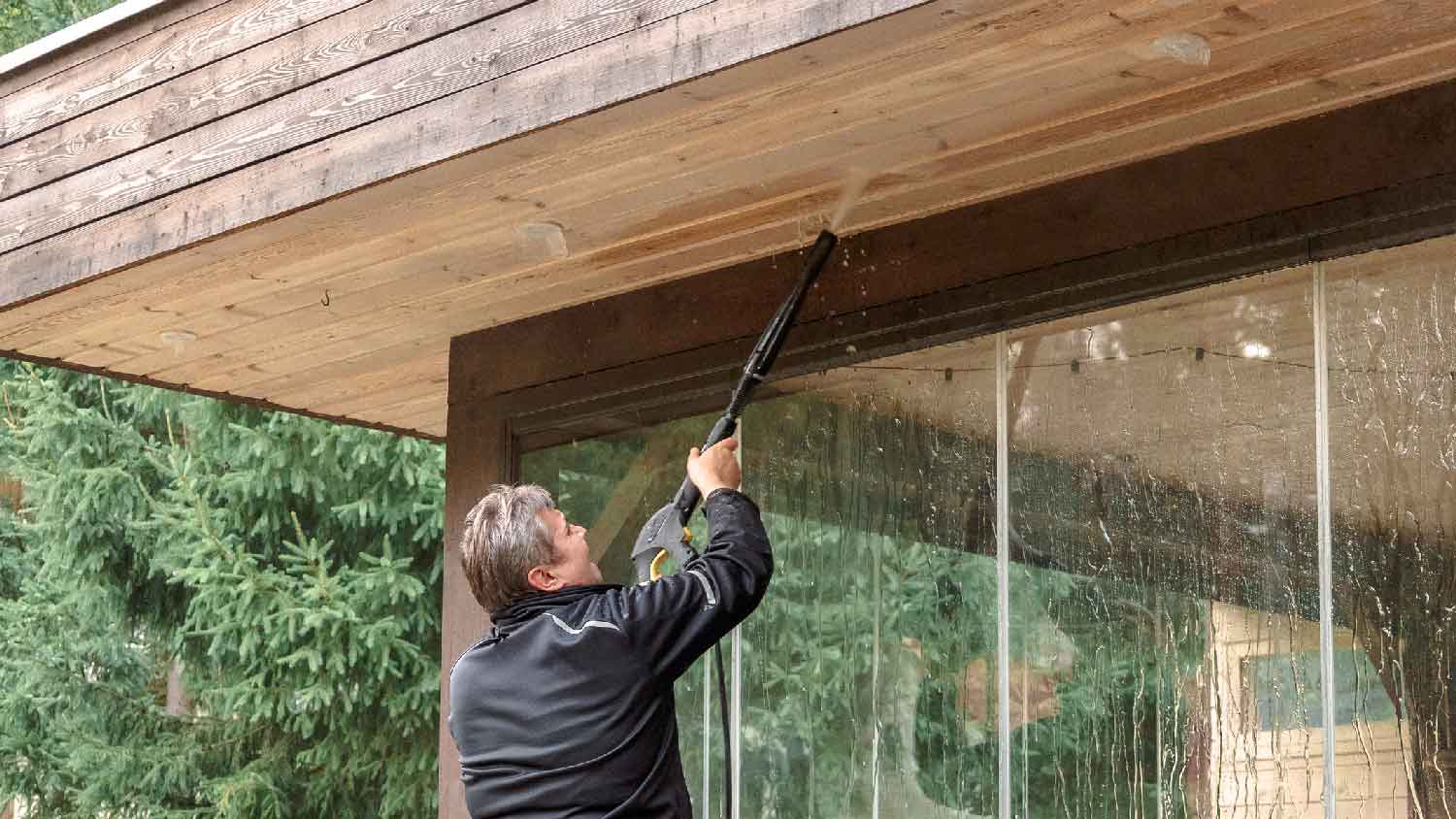
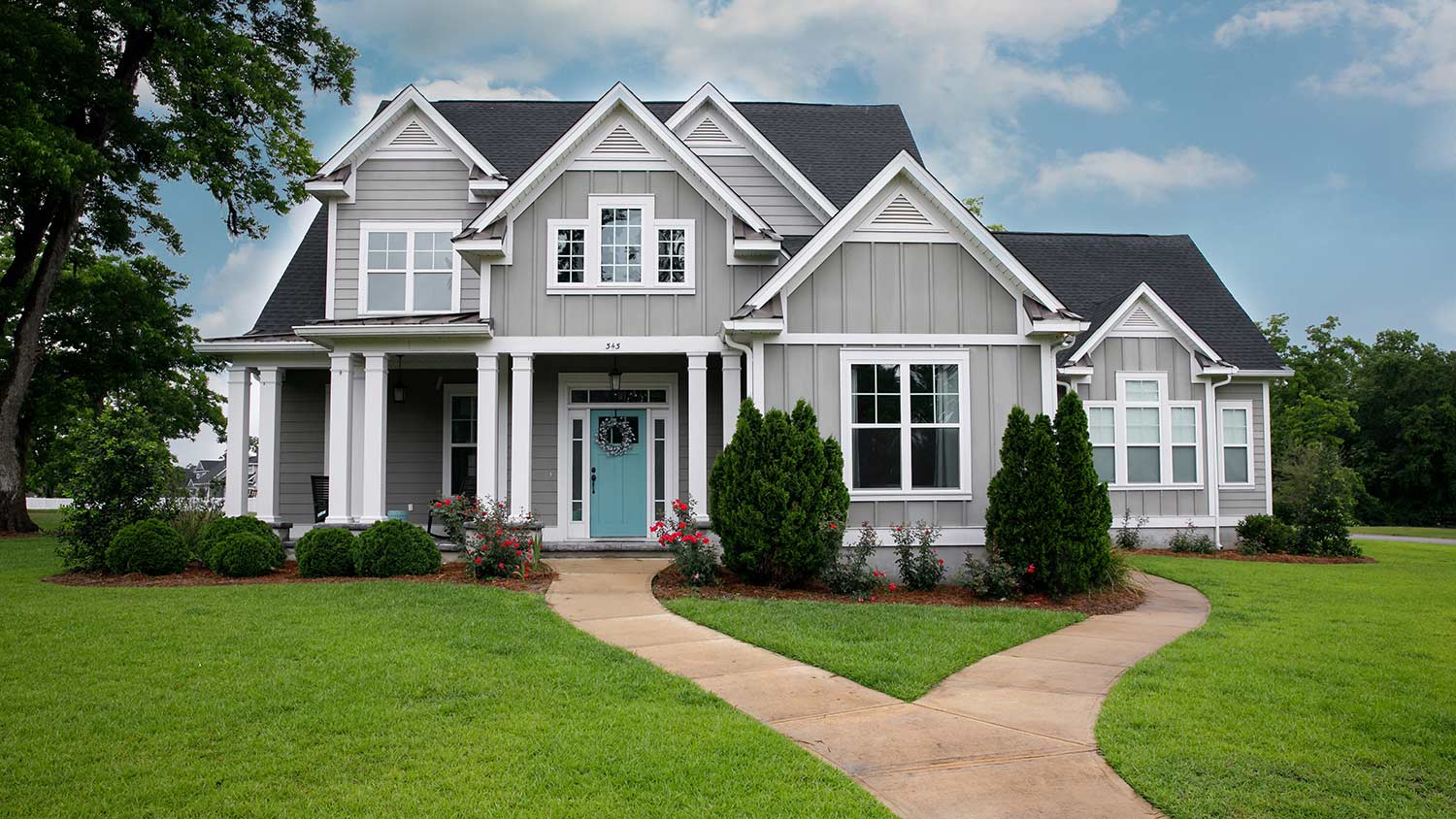
"I had planned on renting a pressure washer and doing this my self, but hadn't got around to it. I'm glad I hadn't because I wasn't aware that using cleaning solutions that robert explained to me is actually more efficient and keeps it clean longer. Before he left he asked about doing the sidewalk and I was skeptical but after he demo'd a spot I had him do that to plus he blasted the cracks clean so the little weeds that like to try and grow there haven't been back in weeks. Highly recommend"
"Dre was great to work with, got my driveway and sidewalk power washed and I’m impressed! Night and day difference. The job was done quickly, and everything looks fresh again. Definitely worth it!"
Hello! My name is Oscar Davila, and I’m the owner of Davila’s AC Services LLC. I have over 12 years of experience in HVAC installation, maintenance, repairs, and troubleshooting.\n\nI take pride in providing quality workmanship, reliable service, and professional results. I’m dependable, detail-oriented, and committed to making sure every customer is satisfied with the work performed.\n\nWhether you need HVAC installation, system maintenance, repairs, or help diagnosing a problem, I’m ready to help. I treat every home and project with care and respect.\n\nYour comfort is my priority. I look forward to earning your trust and helping with your next HVAC project!
Customer satisfaction is my number one goal. Upfront and honest. I have been in the building trades for over 20 years for a profession. Also do a lot of side work on cars and trucks. General maintenance and repair services available.
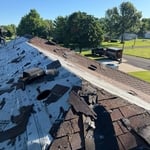
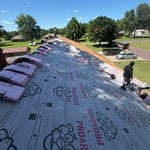
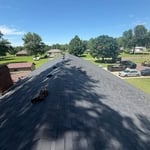
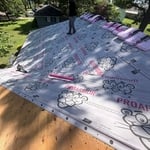
g&m roofing and general construction is a family own business. 15+ yeards of Expirience . we focus on general home renovation and mostly roofs. we have license qnd insurance Free estimates
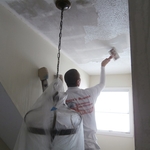
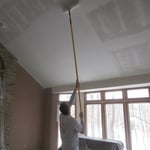
"I needed 3 rooms painted and they were out to get the job done in a week. Everything looks great and will hire them again in the future for our garage and front door!"
While a pressure washer is certainly powerful enough to remove old and peeling paint, this is not a great idea to do yourself. The pressure washer is so powerful that you could actually damage the walls as you strip away the paint. It’s best to leave paint stripping to the pros.
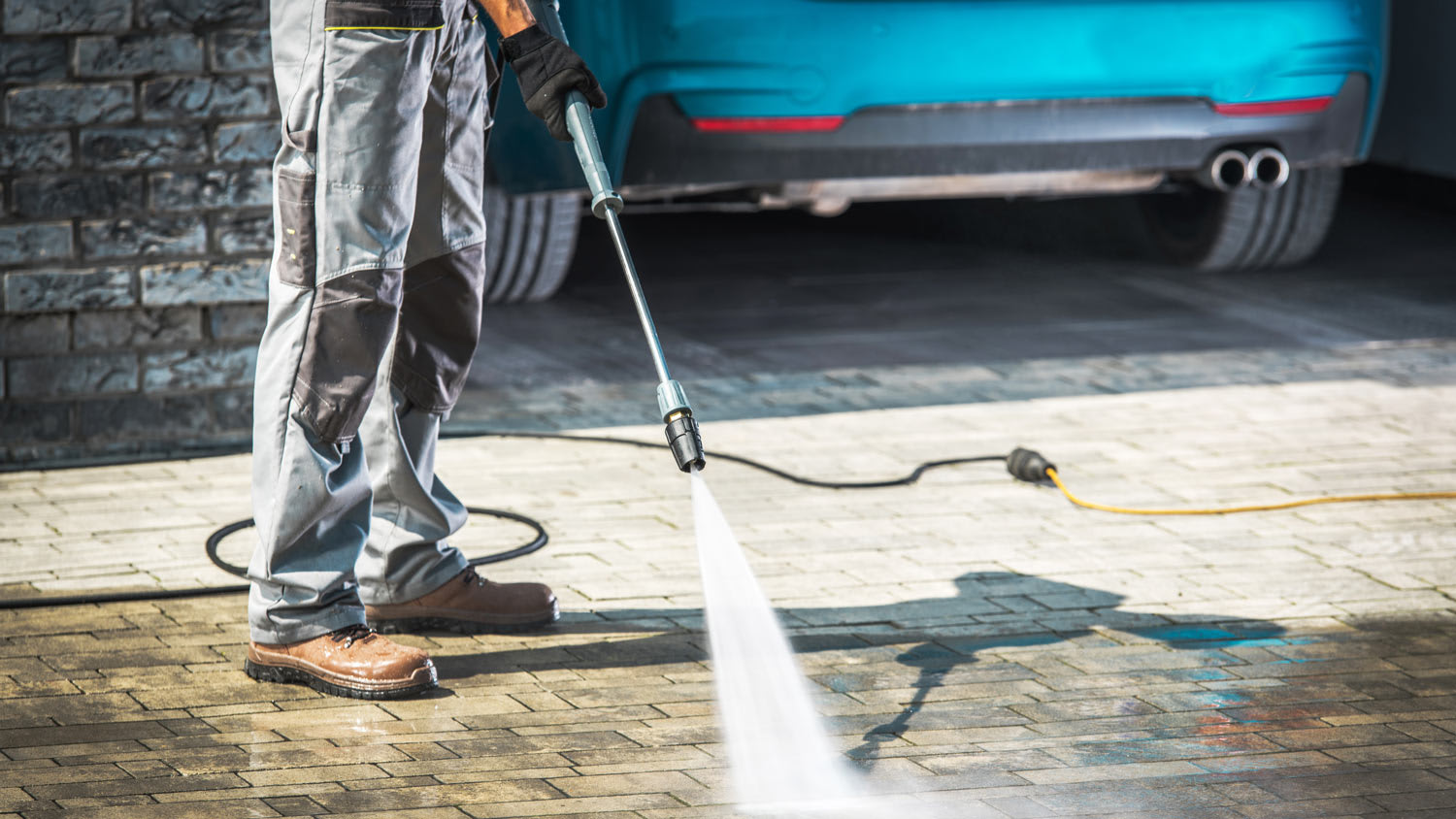
Yes. You can pressure wash pavers. However, you risk damaging them if you use too much pressure or get too close. Use a PSI of 1,500 and spray the water at least 24 inches away from the surface.
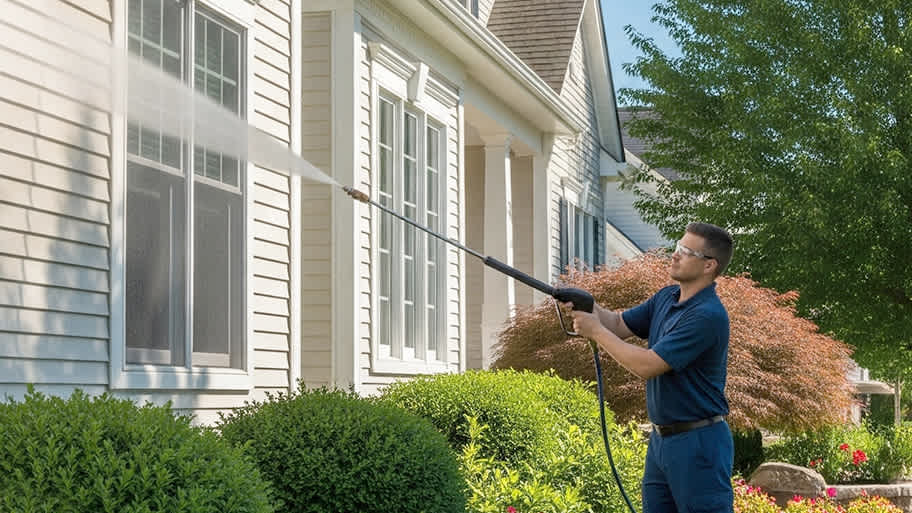
It takes about 15 minutes per each side of an exterior house to apply detergent and 15 minutes to remove it, so you’ll need roughly two hours for the whole job. However, that length of time may decrease or increase depending on the size of your home, so always budget a little more than expected to ensure you don’t end up rushing to get it done.
You should always hook up your pressure washer to the water supply before turning it on and ensure there’s a good water flow. If you try to turn the machine on without water in the system, it overworks and overheats the unlubricated pump. This can quickly lead to irreversible damage.
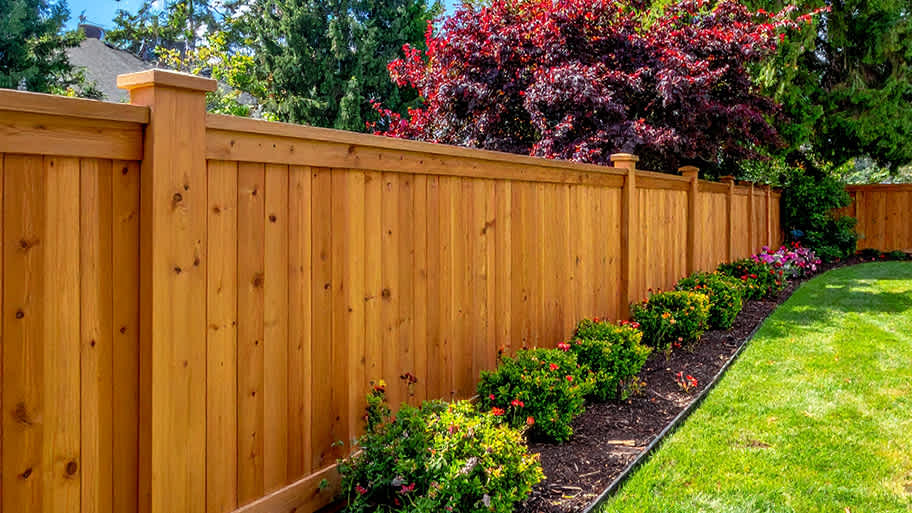
While power washing isn't a requirement before you stain a fence, it can make the job much easier and faster while reducing manual labor requirements. The stain will not work if the wood is full of dirt and dust, so power washing, sometimes called pressure washing, is a fast and effective way to prepare the wood for staining. Remember that you need to stain or repaint relatively soon after the wood has dried so that there isn’t time for dust and dirt to build up again.
The Madison, MO homeowners’ guide to pressure washing services
From average costs to expert advice, get all the answers you need to get your job done.
Pressure washing your fence can restore its appearance and keep your home looking great. Learn how much it costs based on factors like square footage and material.
The cost to pressure wash driveways ranges from $100 to $350 on average, depending on the driveway size and material. See common cost factors in this guide.
Pressure washing your home can be a quick way to get the exterior of your house clean. But, not every part of your home can hold up to the intense pressure of power washing. This guide breaks down what can (and can’t) be safely pressure washed.