



Top-rated insulation pros.

Best insulation pros near Loose Creek, MO

Enter your zip and get matched with up to 5 pros

Need a pro for your insulation service project in Loose Creek, MO?

Select your specific project to find the pro for you.

Top-Rated Insulation pros in Loose Creek - Updated Nov 2026

Avatar for Bat Pro's
Bat Pro's
4.8(
9
)
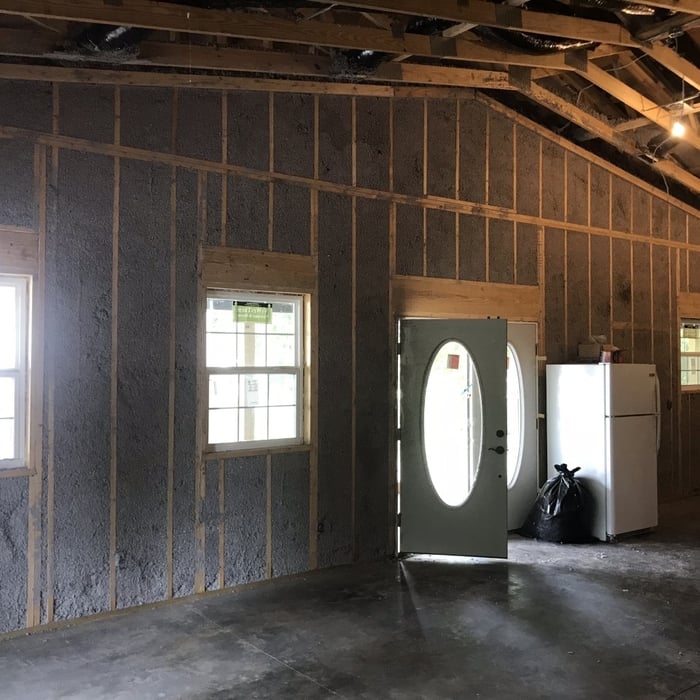
Blown-In Insulation - Install or Upgrade

Serving Loose Creek, MO and surrounding areas

Approved

In business since 2020

Free estimates

"Owner was straight forward and thorough in their explanation of what work was going to be completed. Work was completed effectively and efficiently. I would recommend their services for my friends and family."
55 neighbors recently requested a quote
Avatar for Non-Stop Insulation LLC
Non-Stop Insulation LLC
New to Angi
Blown-In Insulation - Install or UpgradeInjection Insulation - Install

Serving Loose Creek, MO and surrounding areas

Approved

In business since 2018

Free estimates

Non-stop Insulation, LLC is committed to excellence in every aspect of our business. We uphold a standard of integrity bound by fairness, honesty and personal responsibility. Our distinction is the quality of service we bring to our customers. Accurate knowledge of our trade combined with ability is what makes us true professionals. Above all, we are watchful of our customers interests, and make their concerns the basis of our business.

1 neighbors recently requested a quote
Avatar for Paez Construction & Renovations, LLC
Paez Construction & Renovations, LLC
4.7(
3
)
Injection Insulation - InstallSpray Foam Insulation - Install

Serving Loose Creek, MO and surrounding areas

In business since 2023

Free estimates

Credit card accepted

"They did a walkthrough when they finished. I mentioned a couple of things that they happily addressed. I found something that needed to be repaired and they fixed it while they were here. They didnâ t put me off and come another time."
Injection foam insulation

+20

Response time3 days
Recommended by66%of homeowners
Showing 1-10 of 24
Insulation FAQs, answered by experts

The amount and type of insulation your home needs depends on your location, climate, and the specific installation area (attic, walls, or floors). Your local building code will typically determine the minimum required R-value. For specific recommendations, Energy Star suggests the following R-values: homes in the Southern U.S. should have R30 to R60 in attics and R13 to R25 in floors and walls; homes in moderate climates need R38 to R60 in attics and R25 to R30 in floors and walls; and homes in northern states require R49 to R60 in attics and R25 to R30 in floors and walls.

In some cases, yes, insulating an unheated garage can lead to mold and mildew. The issue with insulating a garage is that the interior will warm up and cool down more slowly than the exterior air, which can cause condensation inside the space. Where there is moisture, there is likely to be mold and mildew over time. Installing a vapor barrier can help avoid moisture and mildew problems in an insulated garage.

The best time to insulate a garage ceiling is when the weather is mild and dry. That means it shouldn’t be stormy, snowy, or raining, and the temperatures should be comfortable. Ideally, you’ll insulate your garage ceiling in the fall, before winter hits. Not only will you be the most comfortable, but you’ll also likely see the greatest energy savings heading into the colder weather with a newly insulated garage.

Radiant barriers and insulation serve different purposes, so one is not inherently better than the other. Radiant barriers reflect radiant heat, helping keep spaces cool, especially in hot climates, while insulation slows heat transfer through conduction. For optimal energy efficiency, it’s best to use both together. 

Radiant barriers can enhance the performance of insulation by preventing heat gain in the summer and heat loss in the winter. The choice between them depends on specific climate conditions and the building’s design requirements.

Yes, cold walls are a common indicator of poor or inadequate insulation, especially if the walls feel significantly colder than the air in the room. This suggests that heat from your furnace is escaping rather than being retained. The issue could be that the walls have no insulation, or that the existing insulation is old or has been damaged by water, moisture, or pests. Your best course of action is to hire a professional to investigate. An insulation contractor can determine if you need to add or replace insulation and can often perform the work without creating large holes in your drywall. If you suspect the problem might also be related to your heating system's performance, an HVAC technician can take a closer look.

The Loose Creek, MO homeowners’ guide to insulation services

From average costs to expert advice, get all the answers you need to get your job done.