


Top-rated deck repair pros.

Get matched with top deck repair pros in Hermitage, MO

Enter your zip and get matched with up to 5 pros

Need a pro for your deck repair project in Hermitage, MO?

Select your specific project to find the pro for you.

Find Deck repair pros in Hermitage

Avatar for Arnica Pro Construction
Arnica Pro Construction
5.0(
6
)
Deck or Porch - Repair

Serving Hermitage, MO and surrounding areas

Approved

In business since 2011

Free estimates

Warranties offered

We take great pride in our experience, expertise, quality, and customer service that we provide to meet the consumer's needs. It is our mission to provide excellent workmanship and complete customer satisfaction from start to completion of a project. In order to understand the needs and expectations of our customers, we take great care to work and communicate with every customer in a professional manner. Our reputation is based on service, safety, and quality, regardless of how large or small the job.\nyou dream it we bring it to life

Tom p
Tom p
Tom p
Tom p
Tom p

+28

Response time3 days
2 neighbors recently requested a quote
Recommended by100%of homeowners
Showing 1-10 of 39
Deck Repair questions, answered by experts

No, you don’t need a permit to repair and replace a few boards on an existing deck. However, if you’re making structural changes to the deck or tearing down the old one and building a new one, you will likely need a permit. Check with your local municipality for the regulations and rules in your area, or ask a local contractor who builds decks for advice.

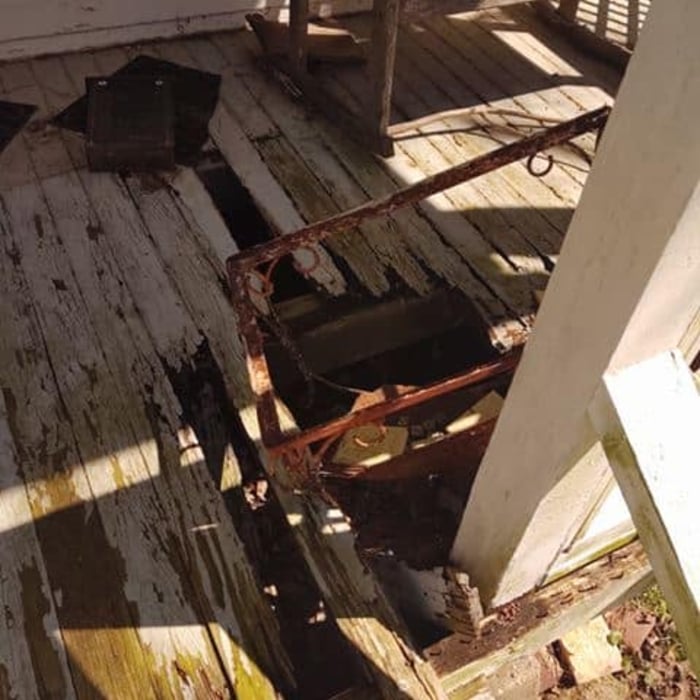
Rotting wood, loose railings, or unstable stairs may indicate a need for expertise.

The best base materials for a ground-level or floating deck are typically gravel and crushed stone (also known as landscaping rocks). These options are inexpensive, provide excellent drainage, prevent weeds, and help minimize moisture buildup, which reduces shifting and rotting. For added stability and to evenly distribute the weight, you can use concrete deck blocks or pavers. While more expensive, concrete blocks and pavers offer a sturdier base than gravel or crushed stone alone.

A deck that isn’t attached to a house is called a floating or freestanding deck. These standalone decks are built near ground level, so they usually don’t need deck stairs. Some don’t even require permits. Generally speaking, building a floating deck is faster and more DIY-friendly than constructing one that’s connected to your home.

The overhang, or nosing, of deck steps is another area that will be covered in building code requirements. The noses on your deck steps should have a minimum overhang of ¾ inch. For safety, usability, and code compliance, the nosing of deck steps should not extend past 1¼ inches.

The Hermitage, MO homeowners’ guide to deck repair services

From average costs to expert advice, get all the answers you need to get your job done.