

Top-rated radon detection and reduction specialists.

Get matched with top radon detection and reduction specialists in Grant City, MO

Enter your zip and get matched with up to 5 pros

Need a pro for your radon detection and reduction project in Grant City, MO?

Select your specific project to find the pro for you.

Find Radon detection and reduction specialists in Grant City

Avatar for SWAT Environmental, Inc.
SWAT Environmental, Inc.
4.5(
52
)
Radon Gas - Abatement

Serving Grant City, MO and surrounding areas

In business since 1988

Free estimates

Credit card accepted

"I would definitely recommend this company to anyone!!! I hired them and the job was done nicely, Dan O'Brien was the technician who took care of the project and he did an excellent job, he answered all of my questions and explained to me everything related to Radon gas. When he finished setting everything up and the job was completed all the working area looked super clean and the installation looks just like it is part of the house and that has been there forever. This is what I call a Perfect and Complete execution of a Radon gas mitigation project."
Recommended by97%of homeowners
Radon Detection and Reduction questions, answered by experts

Testing every 2-5 years or upon adjusting occupancy or structural changes maintains safe environments.

No, radon mitigation systems do not decrease home value or make a home harder to sell. In areas where homes experience similar radon exposure risks, a radon mitigation system is viewed as an improvement. Potential homebuyers often opt to buy a home with a radon mitigation system already installed to reduce the risk of cancer for their families.

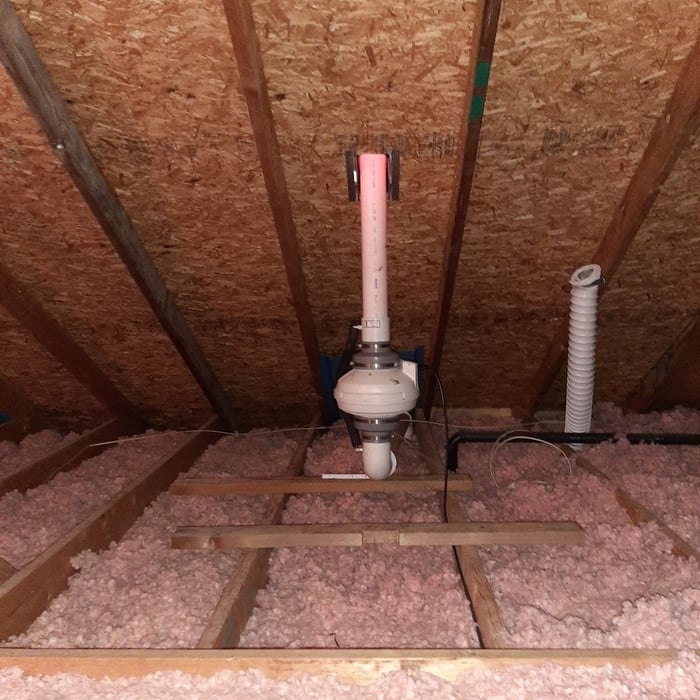
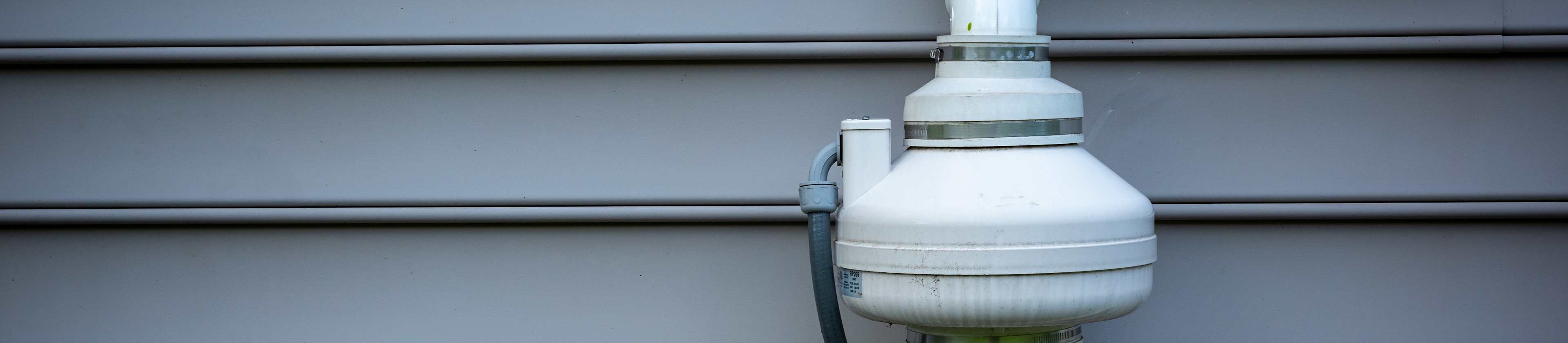
The cost to replace a radon fan ranges from $300 to $600 for the fan itself, with installation adding an additional $200 to $500. Overall, the total cost for replacement can range from $500 to $1,100, depending on factors such as the fan model, home size, and local labor rates. If the fan is part of a larger radon mitigation system, the price may be higher.

The natural breakdown of uranium in soil, rock, and water can cause radon to appear in a home. The gas seeps into homes through cracks in foundations, walls, or floors, as well as through gaps around pipes or construction joints. Radon levels are influenced by soil composition, building materials, and ventilation. Poorly sealed or airtight homes can trap radon, allowing it to accumulate.

No level of radon is technically safe, but since it is present everywhere, complete avoidance is impossible. The average radon level in homes across the United States is 1.3 picocuries per liter (pCi/L). The Environmental Protection Agency (EPA) recommends taking preventative measures if your home's radon levels are between 2 and 4 pCi/L or higher.

The Grant City, MO homeowners’ guide to radon detection and reduction services

From average costs to expert advice, get all the answers you need to get your job done.