



Top-rated structural engineers.

Get matched with top structural engineers in Goodman, MO

Enter your zip and get matched with up to 5 pros

Need a pro for your structural engineering project in Goodman, MO?

Select your specific project to find the pro for you.

Find Structural engineers in Goodman

ARC Consulting, LLC dba Coleman Engineering
New to Angi

Serving Goodman, MO and surrounding areas

In business since 2022

Free estimates

Credit card accepted

ARC consulting LLC is committed to excellence in every aspect of our business. We uphold a standard of integrity bound by fairness, honesty, and personal responsibility. Our distinction is the quality of service we bring to our customers. Accurate knowledge of our trade combined with ability is what makes us true professionals. Above all, we are watchful of our customers' interests, and make their concerns the basis of our business.

Response time7 hrs
Response rate100%
Structural Engineering questions, answered by experts

The standard thickness for an LVL beam is between 1.75 inches and 7 inches. However, you can order LVL beams in non-standard sizes as well. When you work with a contractor, they can source beams that are the appropriate size for your project for you after assessing your blueprints.

Yes, all states require structural engineers to carry the proper license, with specifics determined by each state. You can use Angi’s state licensing tool to confirm that the structural engineer you’re considering holds the required licensing to tackle your job. Hiring an unlicensed structural engineer will not only cause issues with permits but it could also lead to an unsafe building. The cost of a professional, licensed, and experienced engineer is well worth the investment.

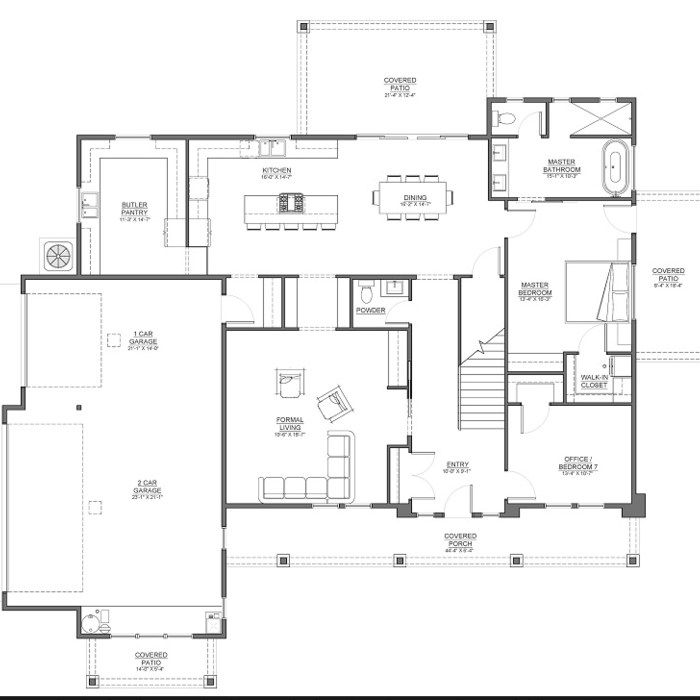
Structural engineers draw structural plans, which include detailed drawings of the structural components of a home only. Complete house plans will require additional work from an architect or draftsperson, whose drawings will take the structural drawings into account. They’ll also include more details about the finishing materials and layout of a home, including everything from roofing and flooring materials to the position of furniture, light fixtures, switches, and plumbing fixtures.

Yes, ceiling joists are typically load-bearing. However, their primary function is to support the weight of the ceiling and loads applied to it, like lighting fixtures and ceiling fans. They can also help support the roof, especially if they’re part of truss systems. Remember, the load-bearing capacity of ceiling joists depends on the material, size, and space between them. 

A freestanding brick wall that's only one brick thick can usually stand six to eight feet high. If you need a higher wall, it should be at least two bricks thick for adequate stability, and it might require a footing to support the added weight. Additionally, some areas have regulations and codes dictating how high a brick wall can be, so check with local code enforcers to ensure your proposed wall complies with any regulations.

The Goodman, MO homeowners’ guide to structural engineering services

From average costs to expert advice, get all the answers you need to get your job done.

What do you need done? We’ll find top pros.
  • 🌱 "Mow a small front yard"
  • 🛠 "Fix a leaking pipe under the sink"
  • 🏠 "Repair shingles on an asphalt roof"