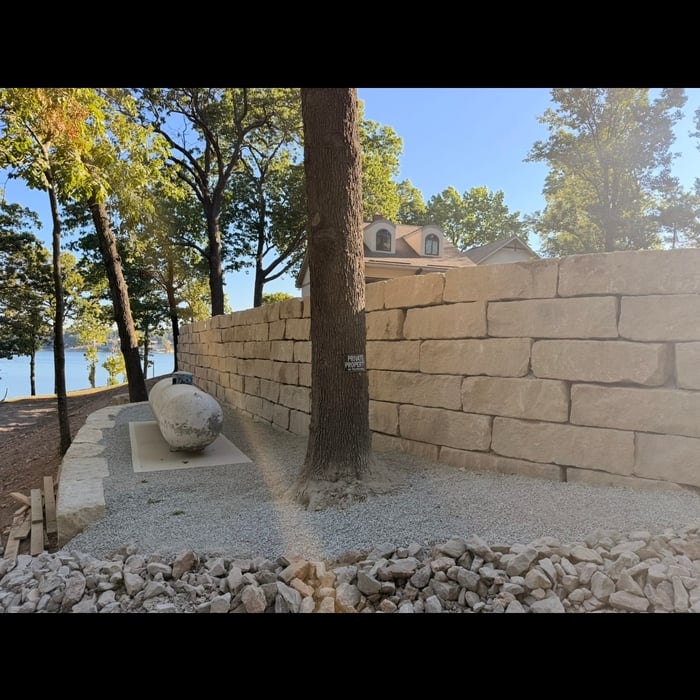





Top-rated retaining wall installation pros.

Get matched with top retaining wall installation pros in Goodman, MO

Enter your zip and get matched with up to 5 pros

Need a pro for your retaining wall installation project in Goodman, MO?

Select your specific project to find the pro for you.

TRUSTED BY GOODMAN, MO HOMEOWNERS

  • Average homeowner rating star icon4.2
    Average homeowner rating
  • Verified reviews icon23
    Verified retaining wall installation services reviews

Find Retaining wall installation pros in Goodman

Avatar for Oakmont Construction, LLC
Oakmont Construction, LLC
5.0(
3
)
Retaining Wall - Install

Serving Goodman, MO and surrounding areas

In business since 2014

Free estimates

Warranties offered

"Yes and YES!! Oakmont Construction was awesome to work with. Brad Bickett was on the spot to help and answer any questions that my wife or myself had. Brad even went as far to make sure that we reviewed every option possible when we were exploring ideas for the deck style and concrete options before and during the construction. From beginning to end Oakmont is a customer driven construction company that actively cares about their customers."
Response time2 days
Response rate94%
Showing 1-10 of 29
Retaining Wall Installers questions, answered by experts

The lifespan of a retaining wall varies based on its material, installation quality, maintenance, and local climate, with an average range of 20 to 100 years. Retaining walls made from durable materials like concrete, stone, and brick generally last a minimum of 50 years. Concrete walls typically last between 50 and 100 years, while brick can last for over a century in ideal conditions. Timber retaining walls can last from 20 to 40 years, depending on the wood quality, and pressure-treated wood walls average around 30 years. It is important to note that a retaining wall can fail prematurely if it was poorly constructed, for example, with inefficient footings or without necessary rebar reinforcements.
Rebar is a steel support that goes inside concrete to prevent structural damage over time. Concrete is susceptible to impact, weight, and tension. By inserting rebar into the concrete during the installation, you can help extend its lifespan and avoid hazardous situations where the foundation of your home gives way to tensile forces.

The longevity of flood walls depends on how they were constructed, but most wood, gravel, and cement flood walls last 10 years. While aluminum flood walls may cost far more initially, they can be a good investment as they can last decades and will not be damaged by exposure to the elements.

While vinyl is the least costly material for building a retaining wall, the most cost-effective method is to use wood or concrete blocks for a DIY retaining wall under 2 feet tall. Wood is inexpensive but lasts 20 years or more with care. Concrete can cost a little more but is stronger and will last longer with less maintenance.

Small retaining walls still require a foundation of some kind, typically a concrete footing. This helps to ensure the wall is structurally sound and prevents the ground from shifting over time, especially during those winter freeze/thaw cycles. The footing helps spread the weight of the wall and the load it carries over a larger area of the ground, thus assisting with stability. This is true of small retaining walls, larger rock garden walls, and the like. 

The Goodman, MO homeowners’ guide to retaining wall installation services

From average costs to expert advice, get all the answers you need to get your job done.