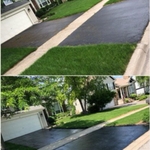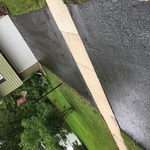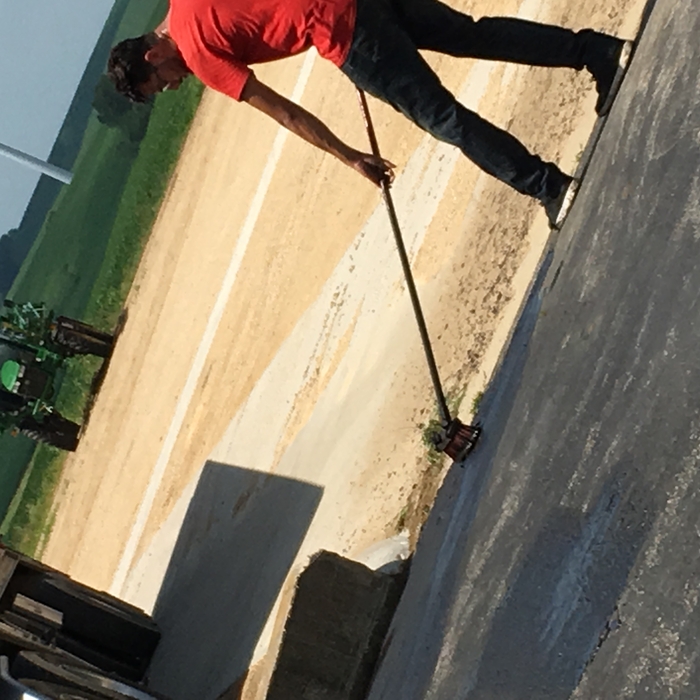







Top-rated paving pros.

Get matched with top paving pros in Duenweg, MO

Enter your zip and get matched with up to 5 pros

Need a pro for your paving service project in Duenweg, MO?

Select your specific project to find the pro for you.

TRUSTED BY DUENWEG, MO HOMEOWNERS

  • Average homeowner rating star icon4.3
    Average homeowner rating
  • Verified reviews icon18
    Verified paving services reviews

Find Paving pros in Duenweg

Avatar for Tri-State Sealing and Striping
Tri-State Sealing and Striping
New to Angi
Asphalt Paving - Repair or PatchAsphalt Paving - Repair or Patch - For Business

Serving Duenweg, MO and surrounding areas

Approved

In business since 2022

Free estimates

Credit card accepted

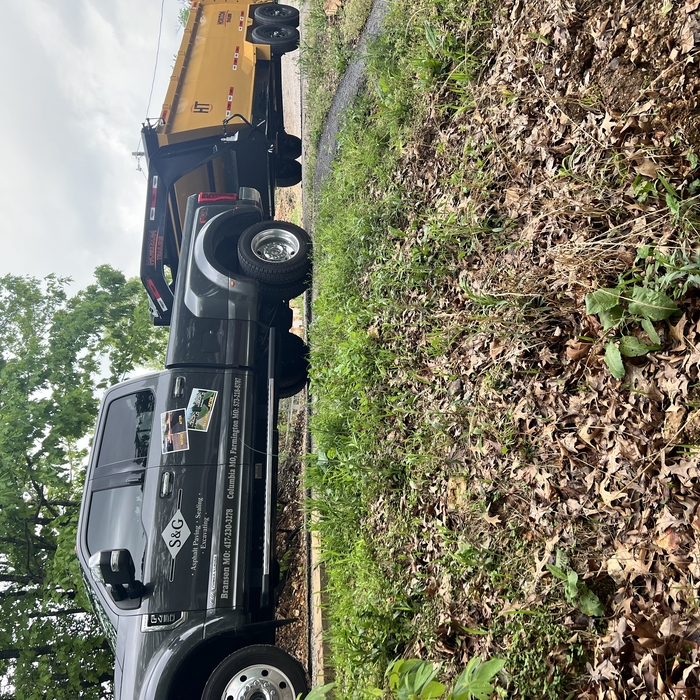
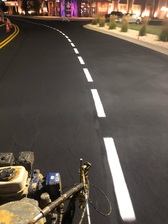
Asphalt paving, asphalt sealcoating and Repair, Asphalt Parching, pavement sealing, Chip and seal, Crack Repair, Line Striping, driveways, Parking Lots, Roads, New installs, repairs, overlays, digout and haul off for commercial residential, municipal, serving Missouri, Kansas, and Oklahoma, Free Estimates,

Crack repair
Asphalt sealing
Response time1 day
4 neighbors recently requested a quote
Showing 1-10 of 50
Paving Services questions, answered by experts

Yes, you can put thin pavers over a concrete driveway. However, it's always best to talk to a driveway installer before starting. You'll need to ensure that the concrete below is in good enough shape to hold the pavers and that the driveway will still meet local building codes.


You can expect your asphalt pavement to last anywhere from 20 to 30 years, or 25 years on average. The life expectancy of your asphalt driveway depends on the climate, the amount of traffic, and how well you maintain it. While you can’t necessarily control some of these factors, you can control the amount of maintenance effort you put into your driveway. 
To prevent your asphalt from deteriorating prematurely, you should follow a good maintenance routine involving regular cleaning, reparation work, and resealing.

To adhere pavers to concrete, you can use either mortar or a concrete-specific adhesive. For border pavers, a polyurethane-based adhesive is a good choice as it expands and contracts with temperature changes, keeping them firmly in place. For the non-border pavers, polymeric sand is used between the joints to prevent shifting. In most cases, it is also recommended to lay a permeable sand layer below the pavers to ensure proper stability and drainage. Before starting, always take the proper preparatory steps for a professional result.

The ideal distance between stepping stones depends on your design preference. A general rule is to place them about 24 inches apart from center to center to match an average person's stride. Another common approach is to leave about 6 inches of space between the edges of each stone; this can be adjusted to fit the path's total length without cutting pavers. If you plan to plant between the stones, leave at least 6 to 8 inches of space to give the plants room to grow.

After removing existing moss, consider using paver blocking sand to fill the joints. This specialty material hardens once placed and serves as an effective barrier against moss and weeds. From there on, regularly clean your pavers and try to keep them dry. You can also seal your paver as a semi-permanent solution — just make sure you reseal every 3 to 5 years.

The Duenweg, MO homeowners’ guide to paving services

From average costs to expert advice, get all the answers you need to get your job done.