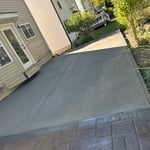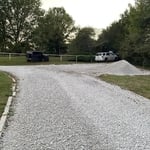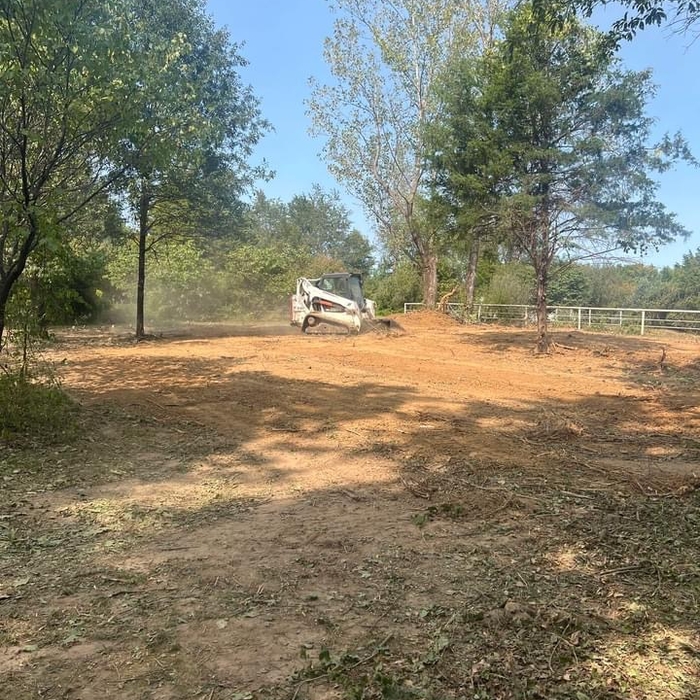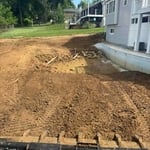




Top-rated excavation pros.

Get matched with top excavation pros in De Soto, MO

Enter your zip and get matched with up to 5 pros

Need a pro for your excavation project in De Soto, MO?

Select your specific project to find the pro for you.

TRUSTED BY DE SOTO, MO HOMEOWNERS

  • Average homeowner rating star icon4.8
    Average homeowner rating
  • Verified reviews icon23
    Verified excavation services reviews

Find Excavation pros in De Soto

Bri-Co Construction, LLC
4.7(
17
)
Building Site - Preparation and ClearingExcavation - Major Grading or Resloping

Serving De Soto, MO and surrounding areas

Approved

In business since 1974

Free estimates

Credit card accepted

With over 40 years of experience in the home and home improvement industry, Bri-Co Construction LLC is your trusted partner for all your residential and commercial needs. We treat every project with the same care and attention as if it were our own. Contact us today - we're excited to work with you!

1 neighbors recently requested a quote
Recommended by60%of homeowners

...
Showing 1-10 of 129
Excavating questions, answered by experts

Professional installers often include a deep layer of crushed gravel under permeable pavers to allow more runoff to soak through into the soil below. Many installations will include multiple layers of gravel, with coarser aggregate at the base and finer aggregate that sits on top of that bottom layer. Above the gravel, you’ll often find coarse sand that helps reduce paver shifting over time. Some permeable paver designs include a water collection system set into the gravel layer to route runoff to a safe area for disposal.

No, a ditch isn’t a trench. A ditch is an open, relatively shallow channel that’s carved out of the ground and used for drainage purposes. In contrast, a trench is a deeper excavation that’s entirely underground. Trenches have many uses, including gas lines, sewage systems, and electrical wiring. Unlike trenches, ditches don’t get filled back in with dirt after they’re dug.

Trenching is a specific kind of digging. Trenching means digging a depression in the earth that’s deeper than it is wide, often with heavy machinery. Digging refers to any kind of removal of earth in order to create a human-made depression, hole, or cut in the earth’s surface. You can dig with big tools or even with just a hand shovel.

Trenching and boring are two distinct methods for installing underground utilities. Trenching involves digging a channel using equipment like an excavator, trencher, backhoe, or shovel. While it is a simpler process, it causes significant disruption to the surface, landscaping, and surrounding ecosystems.

Boring, also known as directional boring, is a less invasive alternative that uses a drill to create a tunnel for utility lines without disturbing the surface. This method is more precise and is ideal for installations that need to go underneath buildings, roads, or bodies of water. Although boring is less disruptive, it is generally more expensive than trenching.

Yes, you can excavate in the winter, but it might make the job harder. Frozen ground is harder to dig, and snow or ice can make the work site more hazardous. A contractor may need special equipment and techniques, such as ground-thawing methods, to break through frozen soil. Although winter excavation is possible, it may take longer and be more costly than excavating during warmer months.

The De Soto, MO homeowners’ guide to excavation services

From average costs to expert advice, get all the answers you need to get your job done.