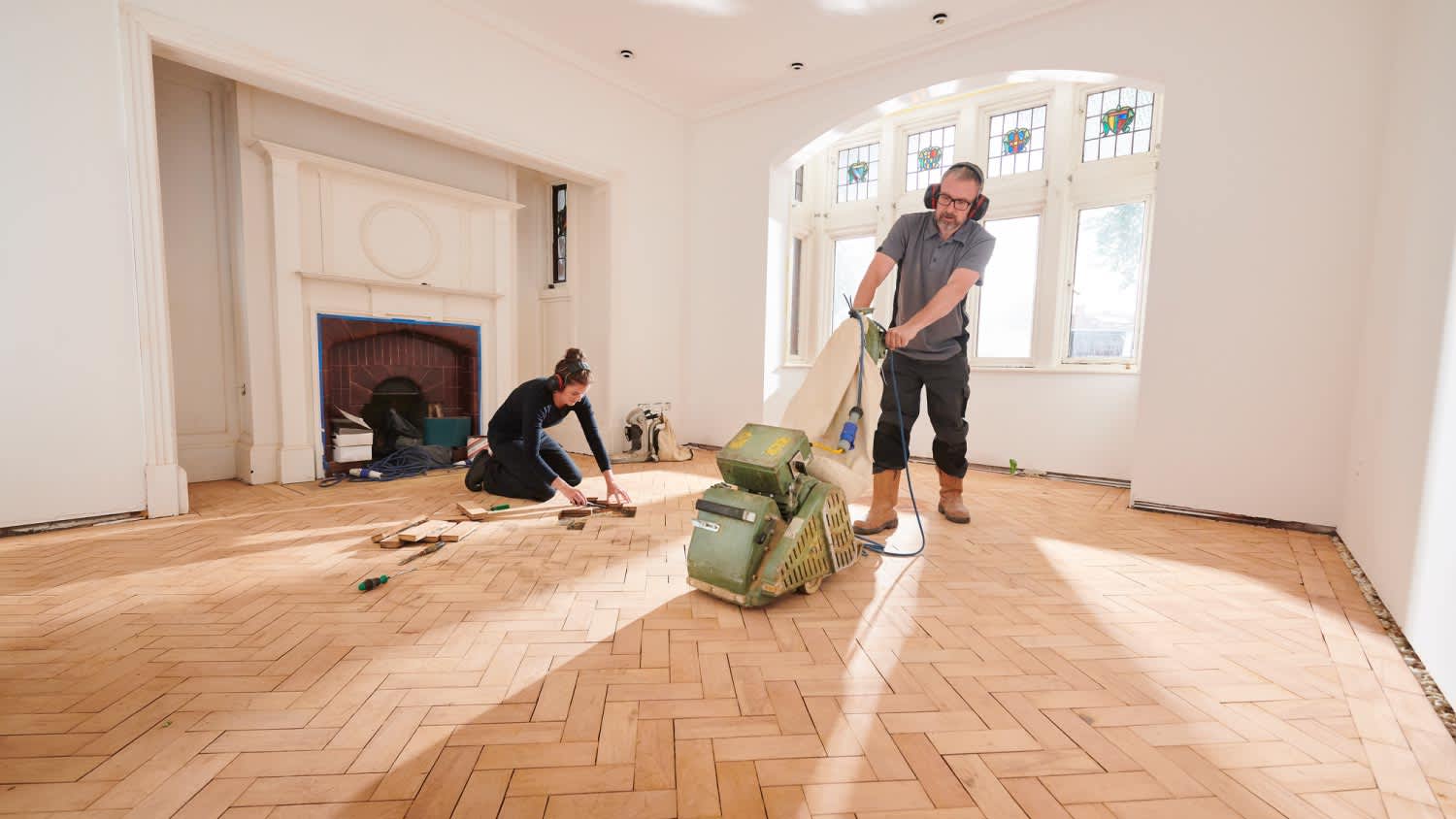







Top-rated floor sanding pros.

Get matched with top floor sanding pros in Conway, MO

Enter your zip and get matched with up to 5 pros

Need a pro for your floor sanding project in Conway, MO?

Select your specific project to find the pro for you.

Find Floor sanding pros in Conway

Avatar for Webster Construction
Webster Construction
New to Angi
Wood Flooring - Repair or Partially Replace

Serving Conway, MO and surrounding areas

Approved

Small jobs welcome

I’m a young outgoing individual, I’ve had a full time job since I was 14 trying every trade you can think of I have several years of plumbing under my belt, I’m a skilled framer, I’ve done electric for several years and even done mechanical work, I found a love and passion for handyman work and decided I was ready to take the leap on my own! If you need anything done no job is to big or small don’t be afraid to reach out I’d love to come check it out for you!!

Showing 1-10 of 24
Floor Sanding questions, answered by experts

Yes, new home construction will always require building permits, no matter where you live. In most cases, you’ll need a general construction permit, along with plumbing and electrical permits for the utility lines in your home. Depending on where you live, you’ll likely find that you also need permits for things like connection to a sewage system or installing exterior components, like decks, driveways, patios, and curb cutouts. Leave navigating the permits required for new home construction to a professional to ensure your home is built legally and safely.

Building a road on a slope requires careful planning and will normally require a drainage system underneath to prevent flooding and damage to the road over time. Your professional may lengthen your road to create switchbacks if the slope directly to your home is too steep, as there are regulations for maximum road slope. The drainage system will help prevent runoff from the higher side of the slope from damaging the asphalt or concrete. Keep in mind that building a road on a slope isn’t a good DIY project, as a lot can go wrong.

To prepare for a land survey, you must thoroughly check your land surveyor’s qualifications, reviews, and fees to align with your expectations. When it is time for the survey to be conducted, ensure that you have all your documents organized and available, know and mark your property lines, and inform your neighbors that the survey is happening.

There are a couple of ways you can determine the depth of your well. One method is to use a device called a well sounder. This tool has a long measuring tape containing a sensor to alert you once the end reaches the water. 

Or you can DIY it by using a long tape measure with a half-filled bottle of water attached to it. Lower the tape measure into your well. Once you feel tension on the tape, you’ll know the bottle has reached your static water level. This will give you an approximate idea of your well’s depth.

When considering the price of drilling a well, factor in how much you’ll save in water costs per year. The average family of four uses 100 gallons of water per person per day in the U.S. With a private water well, you can save hundreds each year.

Wells are also environmentally friendly. You don’t need to worry about drinking water treated with chemicals. Talk to at least three well pump contractors in your area. They’ll be able to tell you more about your options, give you different quotes, and discuss the biggest concerns.

The Conway, MO homeowners’ guide to floor sanding services

From average costs to expert advice, get all the answers you need to get your job done.