



Top-rated insulation pros.

Get matched with top insulation pros in Anderson, MO

Enter your zip and get matched with up to 5 pros

Need a pro for your insulation service project in Anderson, MO?

Select your specific project to find the pro for you.

TRUSTED BY ANDERSON, MO HOMEOWNERS

  • Average homeowner rating star icon4.6
    Average homeowner rating
  • Verified reviews icon20
    Verified insulation services reviews

Find Insulation pros in Anderson

Better Home Insulation
4.9(
23
)
Blown-In Insulation - Install or UpgradeSpray Foam Insulation - InstallBatt, Rolled or Reflective Insulation - Install or Upgrade+1 more

Serving Anderson, MO and surrounding areas

Approved

In business since 2019

Free estimates

Small jobs welcome

"I was impressed with the work. The insulation was done everything was explained pictures were shown to. Us. The men who were here were new. What they were doing."
4 neighbors recently requested a quote
Recommended by90%of homeowners
Avatar for iFOAM of Northwest Arkansas
iFOAM of Northwest Arkansas
New to Angi
Spray Foam Insulation - InstallBlown-In Insulation - Install or UpgradeBatt, Rolled or Reflective Insulation - Install or Upgrade+1 more

Serving Anderson, MO and surrounding areas

Approved

In business since 2022

Free estimates

Warranties offered

Locally owned. Nationally backed.\nYour comfort and efficiency insulators. iFOAM of Northwest Arkansas is a locally owned and operated premium installer, your NWA neighbors, backed by the quality standards, purchasing power and training systems of over 100 iFOAM locations nationwide.\n\nAs NWA residents ourselves, the job is lowering your energy bills and holding your indoor climate steady. Three active crew territories, fully certified professionals, and state-of-the-art spray rigs with real-time performance monitoring, which is how we hold exact mixture and temperature for a seal that actually performs.

12 neighbors recently requested a quote
Avatar for Insulation Near Me, LLC
Insulation Near Me, LLC
5.0(
3
)
Blown-In Insulation - Install or UpgradeInjection Insulation - InstallSpray Foam Insulation - Install

Serving Anderson, MO and surrounding areas

In business since 2022

Free estimates

Emergency services offered

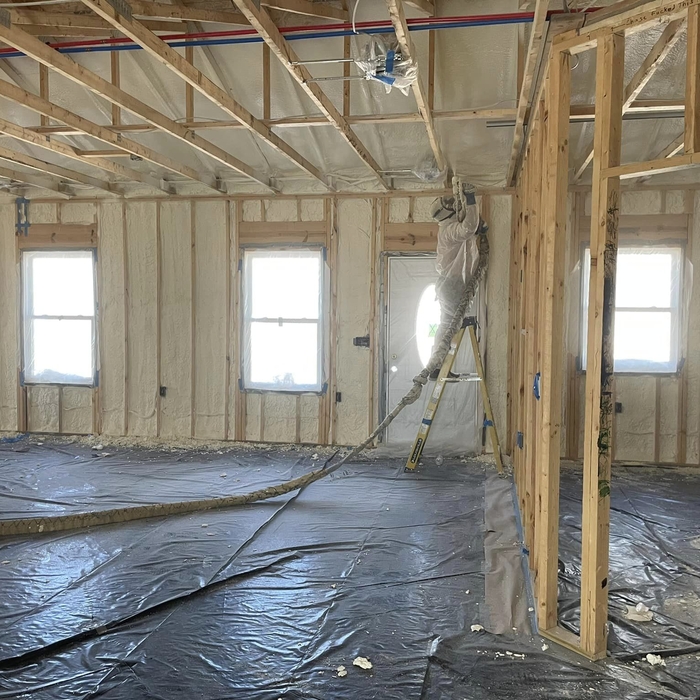
"There's no better expert in insulation than someone who has lived in Alaska and did it up there where it's -40. I know it doesn't get that cold here in NWA but if he can insulate homes up there?! Yeah, just talk to Charles for half a second and you'll see he knows more about your insulation needs than anyone else. He sprays perfectly even so there isn't waves, it's all even so the temp stays perfect. He's got all the pictures to show you. If you want some amature insulation don't go here, if you want the absolute best? This is it."
roof line 5.5" meets Benton codes.
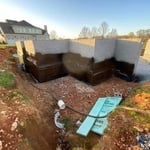
Exterior water proofing & insulation
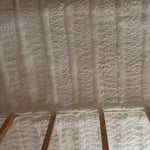
7" Roof Deck open cell
Skim Coat of Closed cell
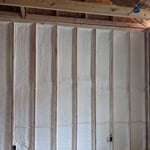
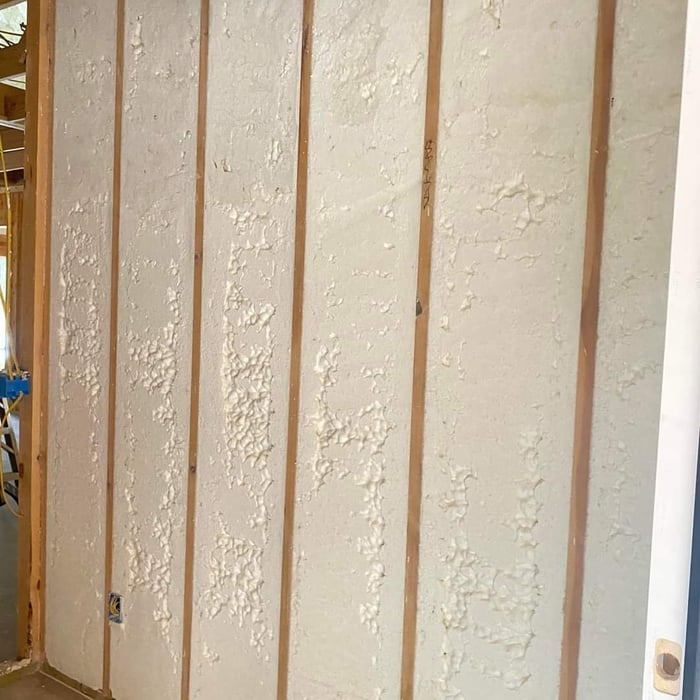
Flush fill Open cell 1/2lb foam

+4

Recommended by100%of homeowners
Freeman Drywall
4.4(
43
)
Batt, Rolled or Reflective Insulation - Install or UpgradeBlown-In Insulation - Install or UpgradeInjection Insulation - Install+2 more

Serving Anderson, MO and surrounding areas

In business since 2010

Free estimates

Emergency services offered

"Would rate very good to excellent. . Personable, professional, punctual. Carpet, furniture, doors, windows and trim well protected before any work was started. Perhaps could have had less drywall damage with wallpaper removal in half of room. Wall surface repaired, primed, prepped for painting including sanding and painted.. ."
Recommended by100%of homeowners
Showing 1-10 of 26
Insulation questions, answered by experts

Depending on where you live and the conditions of your basement, you may not need to insulate your basement. Your best bet is to talk to a basement remodeling company to find out what they recommend doing.

Insulating your basement can help improve your home's energy efficiency, but it will also increase the cost of your basement remodel project. The average cost of installing basement insulation is $2,400.

STC (Sound Transmission Class) is a rating that describes how well a building material or assembly blocks airborne sound. A higher STC rating means less noise will pass through the material, providing better sound reduction. This rating system applies to various building components, including windows, doors, flooring, drywall, and insulation.

For context, a typical single-pane window has an STC rating of around 25 (where normal conversations are audible), while a well-sealed, double-pane window can exceed STC 45 (blocking loud speech and most music). It is important to note that for some products, like soundproofing drywall, the STC rating refers to the entire wall system, not just the individual panel.
Additionally, STC ratings are most effective for measuring sound reduction at mid-to-high frequencies, such as human speech, and may not accurately reflect how well a material blocks low-frequency sounds like bass music or thunder. Because of these factors, it is recommended to consult a professional to determine the right STC-rated materials for your specific soundproofing needs.

Whether plaster walls should be insulated depends on whether the walls are at particular risk of moisture problems. In many cases, you can insulate plaster walls, while in others, it's a poor decision because of the lack of a vapor barrier. Choose a reputable insulation contractor to help you decide if and how to proceed to increase your home's energy efficiency.

The primary downside of radiant barriers is their limited effectiveness in cold climates. They are designed to reflect radiant heat, making them less beneficial in cooler conditions where heat retention is more important. 

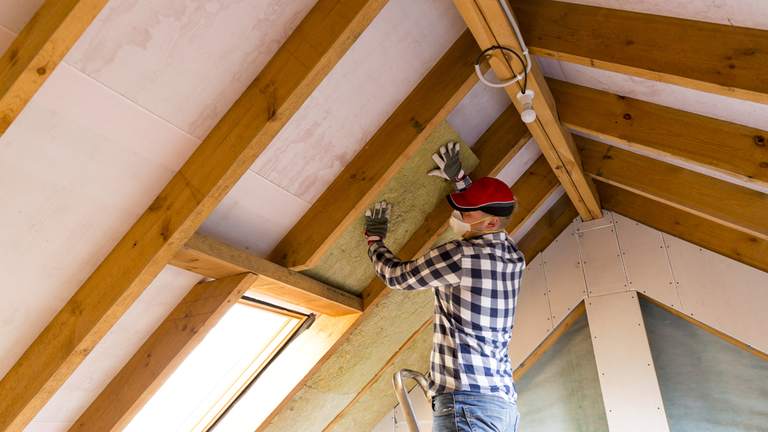
Radiant barriers require proper installation to maximize effectiveness. Incorrect placement can lead to minimal benefits. They also do not provide insulation, meaning they should be used in conjunction with traditional insulation for optimal energy efficiency. 

If the outside temperature drops below 20 degrees Fahrenheit, it will take around six hours for your pipes to freeze—and they might even burst. That’s why keeping your mobile home’s temperature around 50 to 60 degrees Fahrenheit is necessary, even if you’re leaving it vacant for the winter. In addition, having ample skirting around the mobile home's underbelly will help keep pipes insulated during the winter. 

The Anderson, MO homeowners’ guide to insulation services

From average costs to expert advice, get all the answers you need to get your job done.