Groundworks is the North America's leading and fastest-growing foundation repair and water management solutions provider. Groundworks is a vertically integrated company with its own manufacturing operations and a world-class software solution, allowing us to serve our customers more effectively. From the first phone call to the annual maintenance offered, our customers have peace of mind knowing we're there with one mission to repair, protect and improve their home. For state licenses visit Groundworks.com/licensing
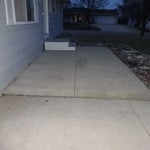
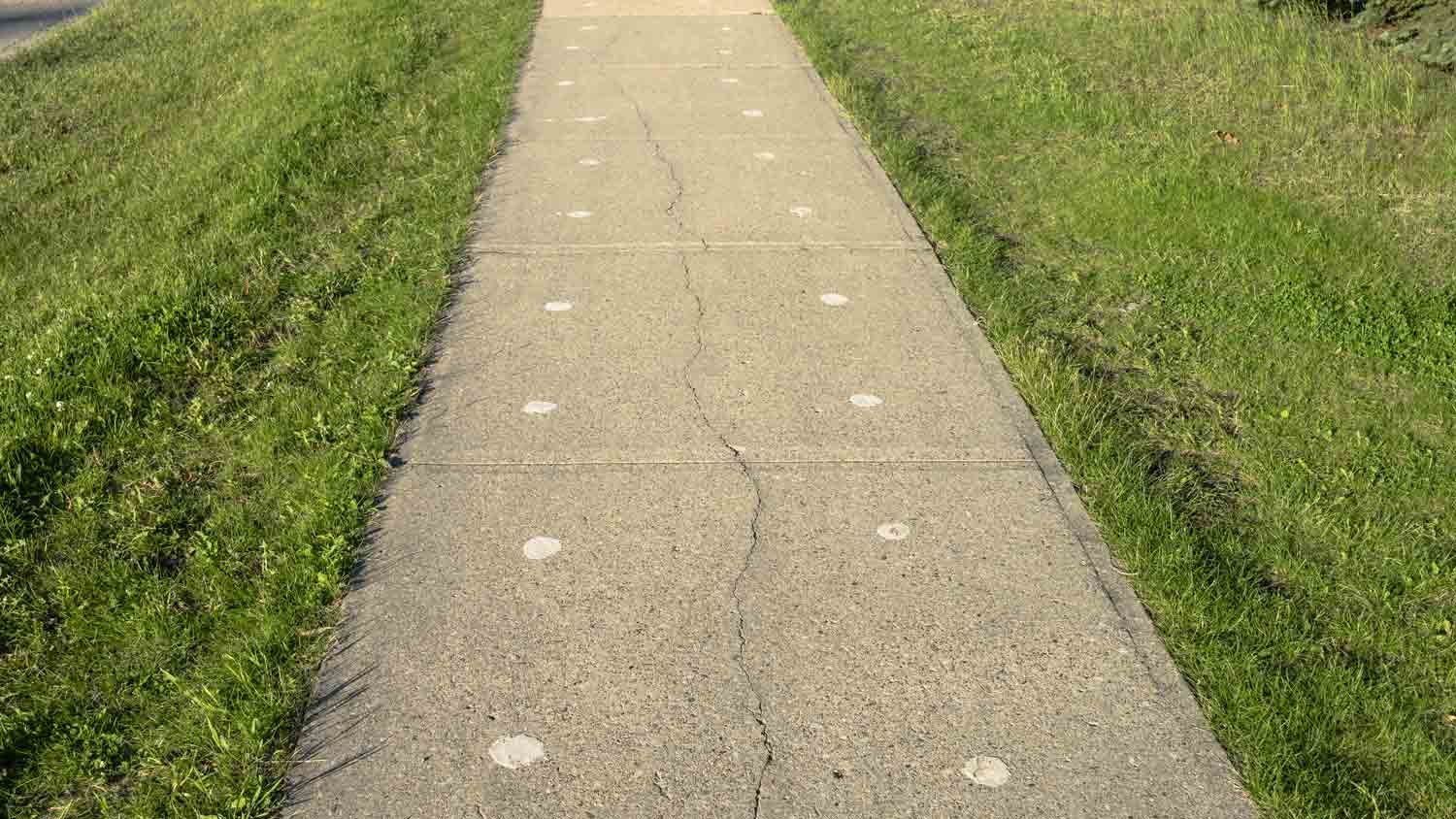
"They did great. The entire surface was level and free from tripping hazards. It is important to have them seal the cracks because there will be water from snow melt and the concrete will move. This will get you the 5 yr warrantee just in case."
We pride ourselves on quality work and great customer service. We believe in going out of our way for our customers! We work very hard to make sure that all of our customers are pleased with the work we do! We believe that every job, no matter the size, deserves our full attention and should be done right!
\n
Trenching and boring are two distinct methods for installing underground utilities. Trenching involves digging a channel using equipment like an excavator, trencher, backhoe, or shovel. While it is a simpler process, it causes significant disruption to the surface, landscaping, and surrounding ecosystems.
Boring, also known as directional boring, is a less invasive alternative that uses a drill to create a tunnel for utility lines without disturbing the surface. This method is more precise and is ideal for installations that need to go underneath buildings, roads, or bodies of water. Although boring is less disruptive, it is generally more expensive than trenching.
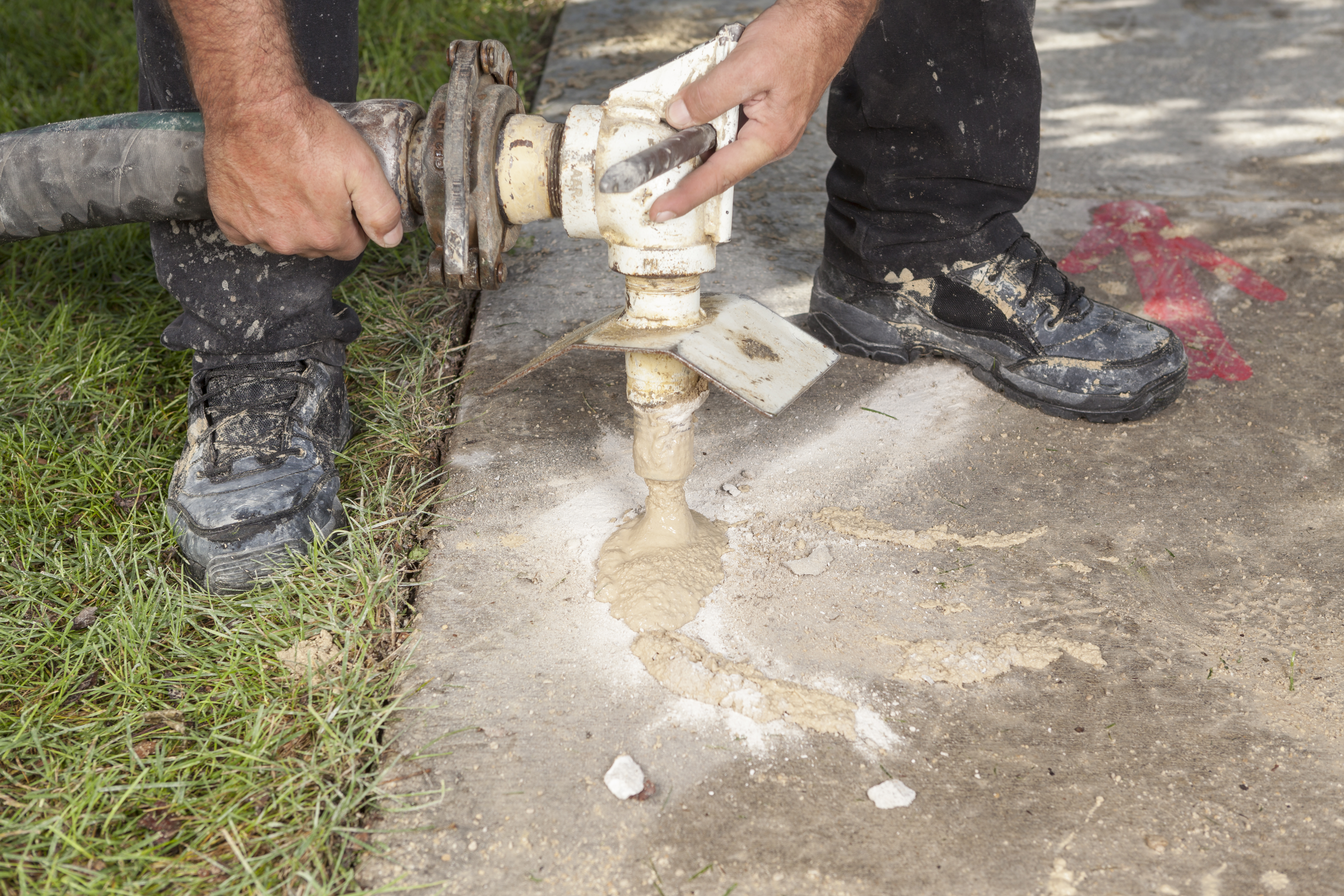
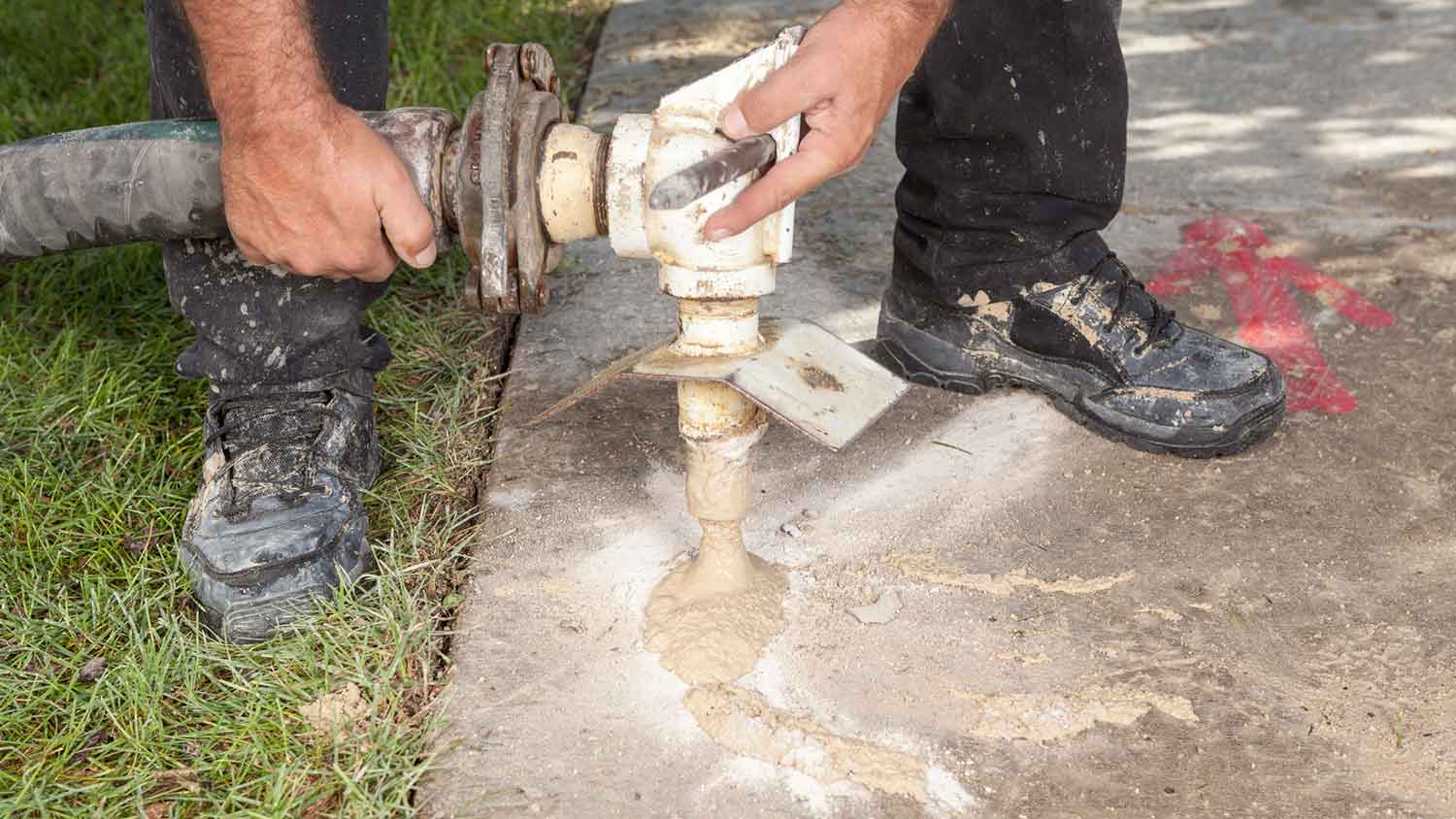
Yes, you can mudjack cracked concrete, but the cracks will need to be repaired once the concrete has been leveled. If the concrete is severely cracked in multiple places, replacement may be a better option, but for less severe cracking, mudjacking is a good solution as long as cracks are correctly caulked and sealed.
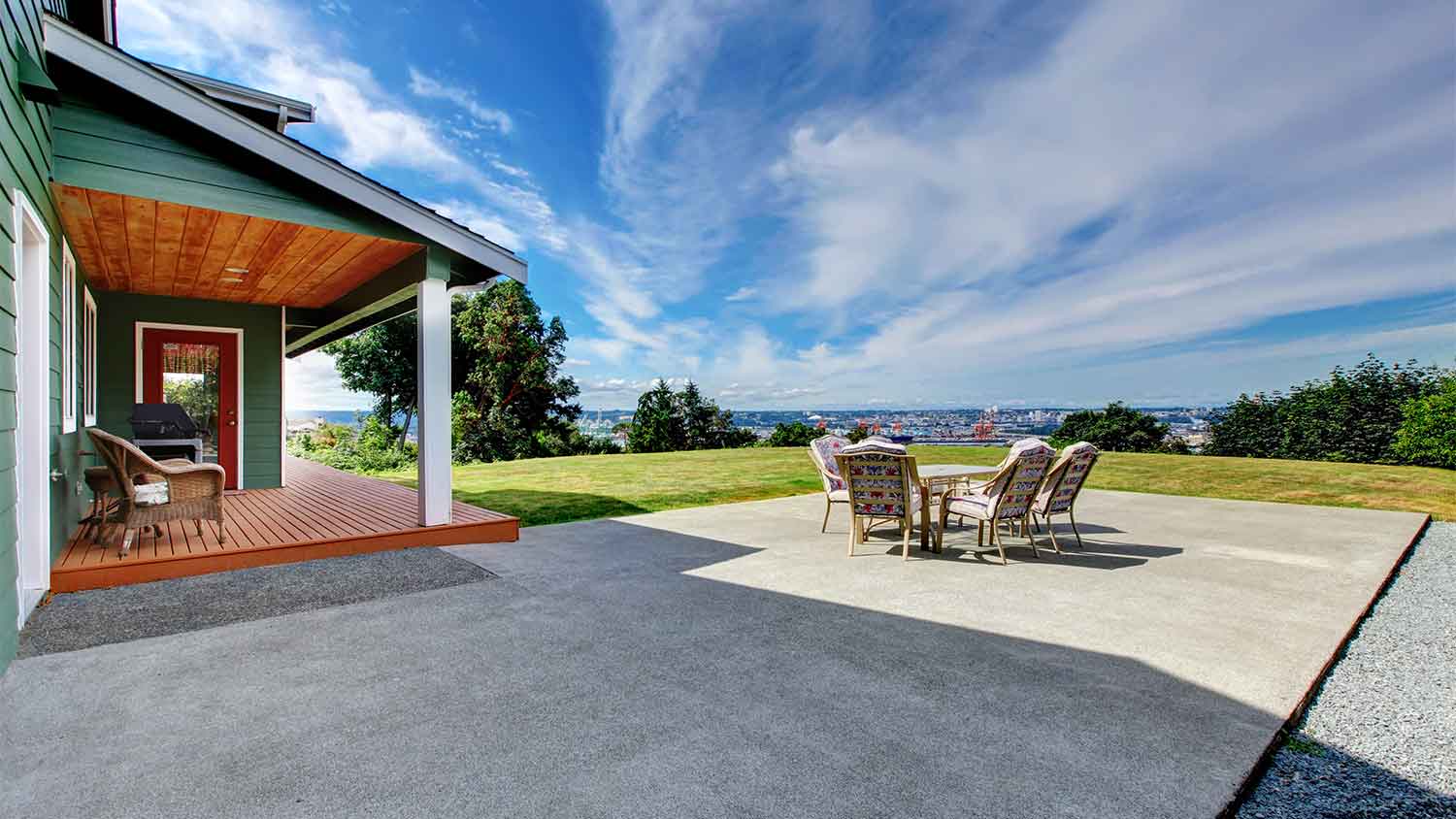
The average cost for mudjacking is around $1,200, though prices can range from $300 to $3,400. On a per-square-foot basis, you can expect to pay between $3 and $8, with an average of about $5 per square foot. The final cost depends on several factors, including the square footage of the concrete, the type of slab, its accessibility, whether it is load-bearing, and the type of material used to lift it. Generally, lifting a driveway, small patio, or sidewalk is less expensive than lifting a slab foundation or garage floor.
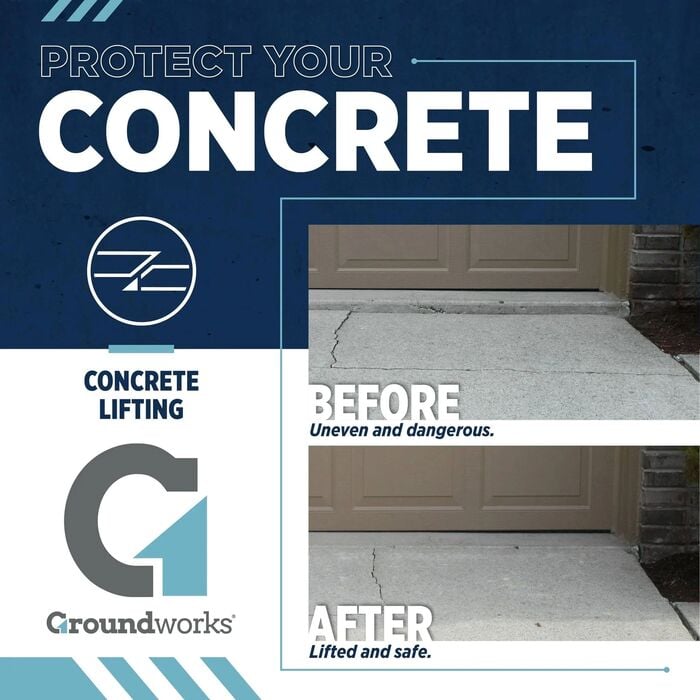
Concrete leveling is absolutely worth it if you have sunken concrete slabs and want to restore them to level, especially if the slab is part of your home foundation. Concrete leveling is less than half the price of replacing concrete sidewalks, patios, walkways, and pool decks, and it’s about a quarter of the cost of replacing a foundation. If you also treat the underlying problem, it can be a worthwhile and permanent solution.
Polyjacking can be a permanent solution to sunken concrete if you also address the underlying issue—like poor drainage—at the same time. The polyurethane material itself can last as long as or even outlast the concrete you’re lifting it with. Your sunken concrete issue will likely return if you don’t couple polyjacking with proper drainage to prevent future soil movement and sinking.
The Worthington, MN homeowners’ guide to concrete mudjacking services
From average costs to expert advice, get all the answers you need to get your job done.
DIY mudjacking is an advanced task, but learning how to raise a concrete slab is great to know for many scenarios. Let's take a look at how to DIY mudjack.
Sunken concrete can be a structural issue, but a professional can easily repair it. Ask these concrete injection leveling and mudjacking questions before you hire.