







Top-rated generator install pros.

Get matched with top generator install pros in Winnebago, MN

Enter your zip and get matched with up to 5 pros

Need a pro for your generator install project in Winnebago, MN?

Select your specific project to find the pro for you.

Find Generator install pros in Winnebago

Avatar for Ron's Plumbing HVAC & Electric, Inc.
Ron's Plumbing HVAC & Electric, Inc.
New to Angi
Fixed Generator - InstallFixed Generator - RepairGenerator - Install - For Business

Serving Winnebago, MN and surrounding areas

In business since 1954

Emergency services offered

Credit card accepted

Ron's Plumbing, HVAC, and Electric is your first choice for professional residential and commercial service. We also offer Generac Generator sales, installation, and service. Check out our custom Reverse Osmosis (R/O), Water Softener, and Whole House Filter Systems that are unique only to Ron's and built in-house. With years of knowledge and the experience we are able to quickly consult and determine your household needs. Remodeling? Give us a call! Have a commercial project? No job is too big or too small for us. We proudly serve Southern Minnesota with affordable and efficient service. Give us a call today! 507-553-5848

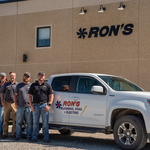
Ron's Photos
Some of the crew
Electric Work
Softener Salt
HVAC Technicians

+3

Generator Install questions, answered by experts

To determine the right size generator for your house, you should calculate the total wattage of the appliances and devices you want to power during an outage. List all essential items, note their start-up wattages, and add them together.

Here are some typical wattage requirements for common appliances:

  • Refrigerator: 600 watts

  • Large dehumidifier: 700 watts

  • Large window air conditioner: 1,400 watts

  • Water heater: 3,000 to 4,500 watts

  • Electric furnace: 5,000 to 25,000 watts

A 7,500-watt generator might be sufficient for essentials like a refrigerator, freezer, well pump, and lighting circuits. However, for high-demand items like a water heater or furnace, a whole-home generator is a better choice. A portable generator may be enough if you only need to power a few critical items.

While home square footage can offer a rough estimate, it is not always a reliable indicator. For reference, here are some typical generator sizes based on square footage:

  • 1,000 sq ft: 6–9 kW

  • 1,500 sq ft: 7–10 kW

  • 2,000 sq ft: 10–14 kW

  • 2,500 sq ft: 12–16 kW

  • 3,000 sq ft: 16–20 kW+

For the most accurate sizing, consult a professional who can calculate your home's peak and average power consumption and recommend the optimal generator.

Whole-house generators can run continuously for extended periods, even for weeks at a time (around 400 to 500 hours), as long as they have a sufficient fuel supply. However, this type of extensive use will increase wear and tear and can shorten the generator's overall lifespan. During long periods of operation, it's important to check and refill the engine oil as needed, potentially as frequently as daily depending on the model. If your generator uses a fuel tank, ensure it is kept full to prevent unexpected shutdowns.

Potential benefits of using a natural gas generator include reducing your carbon footprint, lower likelihood of carbon monoxide exposure, budget-friendly operating costs, and low-maintenance, continuous fuel supply. Some possible drawbacks, though, include higher initial installation costs, dependency on a natural gas supply, and installation complexity. Keep in mind that pros and cons will vary based on the type and brand of natural gas generator. 

No, you should never plug a generator directly into a wall outlet in your house. This practice is extremely dangerous, often illegal, and can cause "back-feeding," where power from the generator flows back into utility lines, creating a life-threatening hazard for utility workers. It can also damage your home's electrical system, including appliances like pumps and HVAC fans. If the main power is restored while the generator is connected, it can destroy the generator and cause an electrical fire. To safely connect a generator, you must use a professionally installed transfer switch or an interlocking kit, which prevents back-feeding by disconnecting your home from the utility grid before the generator provides power.

In some situations, yes. Never try to put biofuel into any home generator without checking the specifics first. If a generator has the ability to run on diesel, it can also run pure biofuel (the clear kind made from seed oils, for example). But if you are using biofuel made from animal fats or vegetable oils, the generator will need significant modifications before it can handle a sludgier type of biofuel.

The Winnebago, MN homeowners’ guide to generator installs

From average costs to expert advice, get all the answers you need to get your job done.