Contact Infinity Lawn & Landscape, LLC, for your landscape design/install needs. We stay busy because we do the best work! Call us now to set up a consultation for your next landscape design project
Saving money on property taxes and having direct control over your waste system are both pros when buying a house with a septic tank. However, it’s easier on the house and the yard if a home can be hooked up to a municipal system, which is why septic tanks are best for homes where that isn’t an option. Expensive repairs, potential odor issues, and regular maintenance are all cons of septic systems.
You only need to pump the septic tank. The leach field allows the liquid and waste to naturally seep into the ground, so there’s no need to pump the leach field. You should call a local septic tank pumping service to remove the materials from the tank every three to five years. Without pumping the septic tank occasionally, solids could flow into the leach field pipes and clog them.
It only takes a few days for a septic tank to fill with water after a pro has pumped it. This is completely normal, and the water is a vital part of your septic system’s wastewater treatment process. The water that fills your tank days after pumping is not the same as the tank being filled with waste. You shouldn’t have to pump your septic system more than once every three to five years unless you have a tank that’s too small for your home’s water output or there’s a problem with your leach field.
Yes—septic tank systems are superior to cesspools in every conceivable way. If you’re not able to connect your home to a greater sewage network, a septic tank system and a drain field are great for responsibly disposing of waste. It’s also cheaper to pump a septic tank, easier to find a local septic tank professional than those who work with cesspools, and better for the environment.
The easiest thing you can do to prolong the life of your septic system is to adopt septic-safe practices. This includes not flushing non-biodegradable items, chemicals, or excessive grease down drains and scheduling regular septic tank pumping to prevent buildup. It’s also important to fix plumbing leaks promptly and to practice water conservation to avoid overloading the system. To maintain your drain field, avoid heavy vehicle traffic and plant shallow-rooted vegetation in the area. Most importantly, invest in routine inspections and maintenance to detect and address issues early.
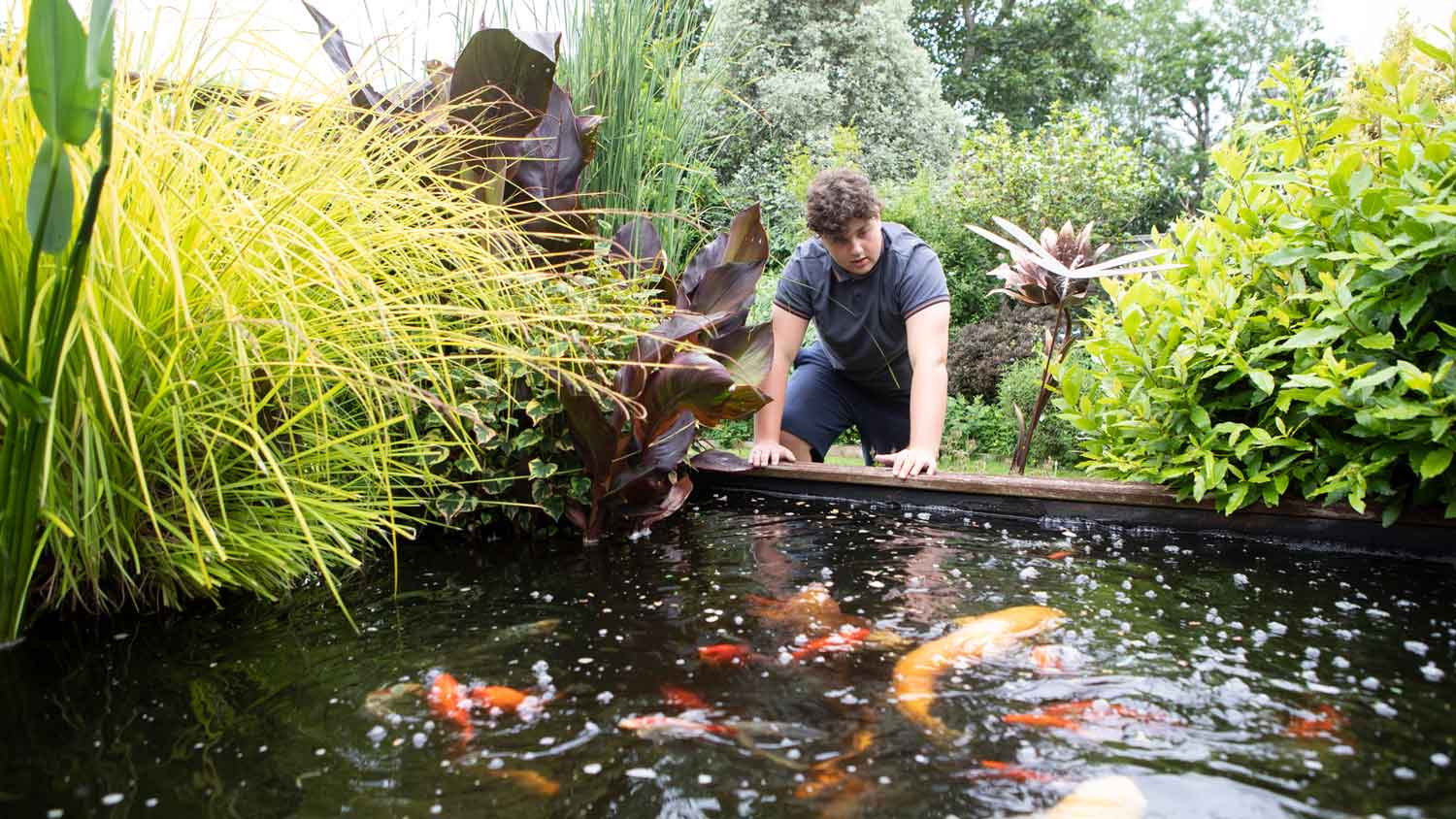
The Windom, MN homeowners’ guide to aquarium services
From average costs to expert advice, get all the answers you need to get your job done.
Discover mosquito control service cost estimates, including average prices, key cost factors, and tips to save on professional mosquito treatments for your home.
If you’re moving, you need to consider distance, weight, packing, and more. Our guide provides the average cost to move a 3-bedroom house long distance.
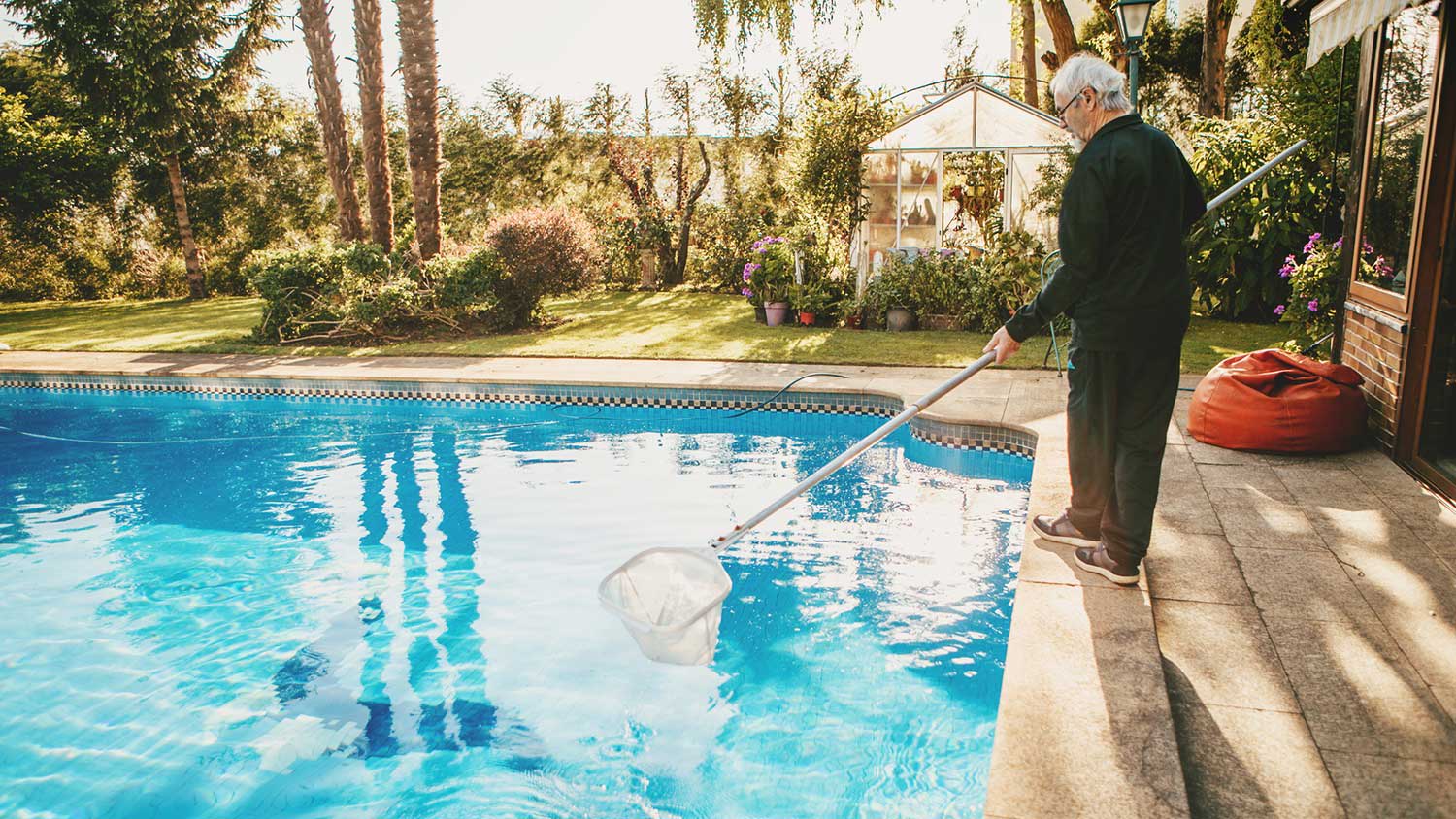
If you live in an area without very cold winters but tempted to close your pool during the cooler months, read on. We dive into the many benefits of winter service.
Learn about home items that are nearly impossible to move without movers, either because they are awkwardly shaped, too heavy, or require special equipment.
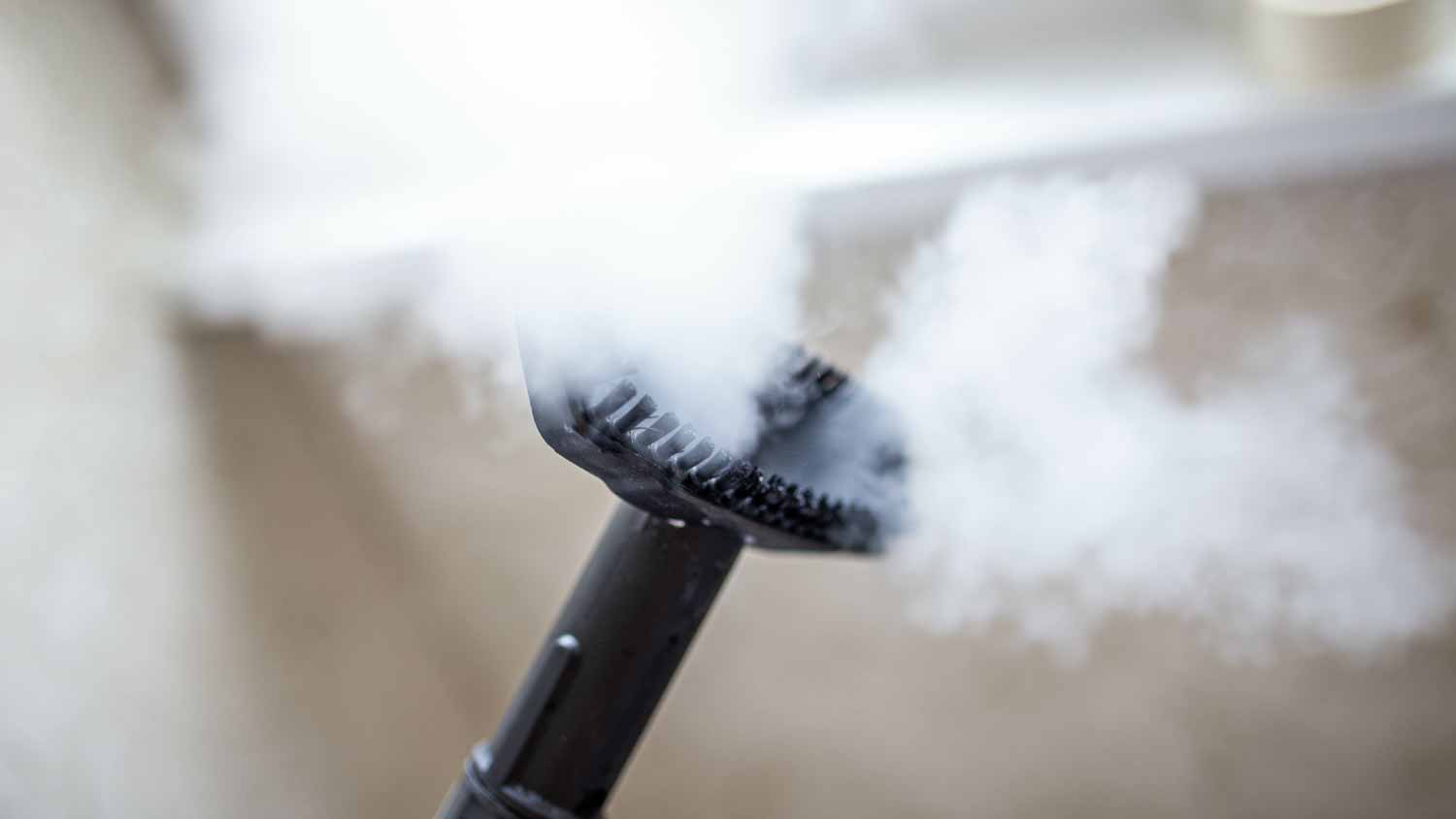
Steam cleaning makes your floors feel spotless without harsh chemicals. However, certain areas benefit from steam more than others. Here’s what you can clean with a steam cleaner.