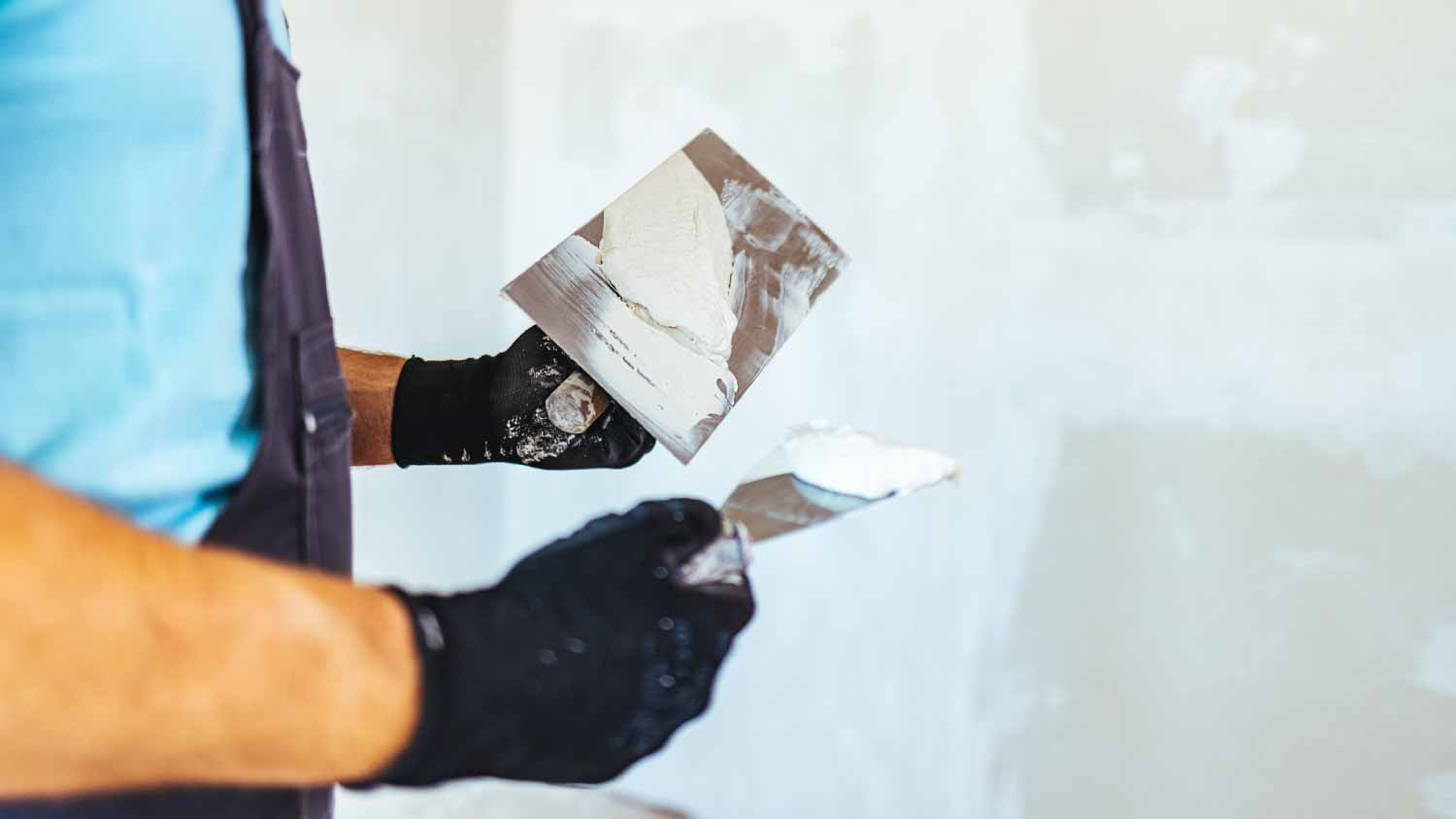
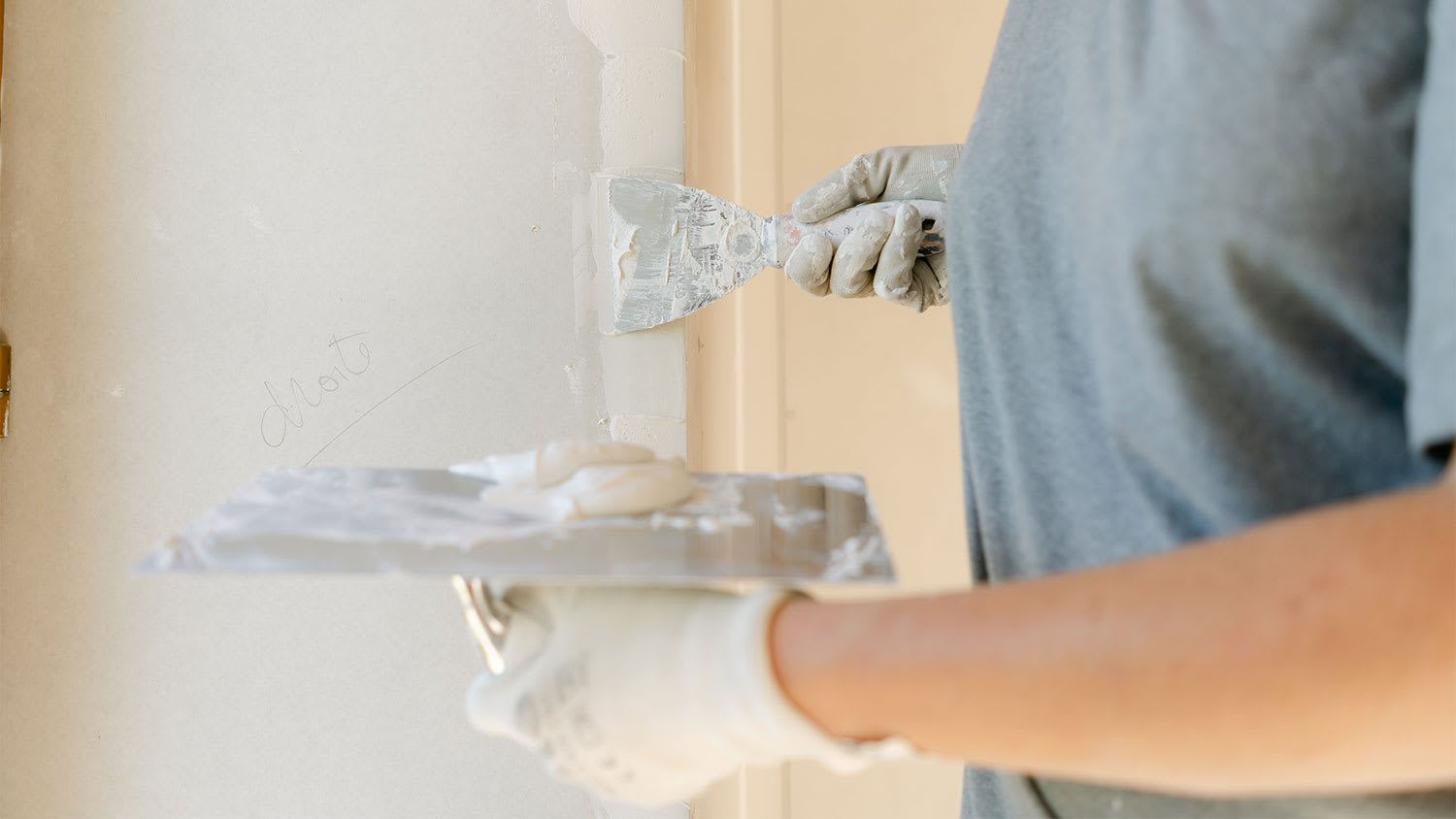
With years of experience in all phases of the drywall industry, we are confident that we can provide our clients with a professional drywall installation from start to finish. Owner Tony Anderson is personally involved in all aspects of each project and does most of the tape, finish, and texture work to insure that the highest quality standards are adhered to throughout the job.\n\nFree Estimates with Competitive Pricing\n\n
Ensures structural integrity and aesthetic consistency with proper materials and techniques.
All plaster walls will crack over time due to normal house settling and expansion and contraction from temperature and moisture changes. Small, thin hairline cracks are generally not serious and are mostly a cosmetic issue. However, larger or more significant cracks can indicate structural problems.
Here's how to tell the difference:
Cosmetic Cracks: Cracks that are 0.5 cm (0.2 inches) or thinner are typically cosmetic.
Structural Cracks: Cracks wider than 0.5 cm, excessive or deep cracks, multiple cracks in the same area, or cracks that span around corners can signify a structural or foundation issue. Cracks along the joints where walls meet the ceiling also warrant attention.
For cracks wider than 0.5 cm, structural repair is needed. If a crack is 2.5 cm (1 inch) or wider, or if you notice any signs of a structural problem, it is best to contact a plaster repair professional to assess the damage.
If your home was built before the 1940s and was not remodeled in the past 50 or so years, you probably have plaster walls. Aside from assuming, there are some practical ways to tell if you have plaster walls, including the following: If you knock on the wall and it feels solid, not hollow, if you can’t insert a thumbtack easily, if there are cracks that look like spiderwebs, or if your home has curved, arched, or swirled walls, doorways, or window openings.
If you have an unfinished basement or attic, you could examine the backs of any finished walls to check, too.
Wondering who to call for ceiling repair? While you can hire a handyperson to fix minor cracks, you’ll want to hire a drywall professional for larger issues. Depending on the cause of the crack, you may need to hire other contractors, such as a foundation contractor, mold remediation company, roofer, or plumber near you.
You’ll want to inspect your plaster walls for signs of damage before painting. If you notice soft spots, deep cracks, bubbling, or areas where the plaster is crumbling or pulling away from the wall, it likely needs repair. While small hairline cracks are common and likely cosmetic, you should address larger issues before painting to ensure a quality, smooth finish.
The Wheaton, MN homeowners’ guide to plaster repairs
From average costs to expert advice, get all the answers you need to get your job done.
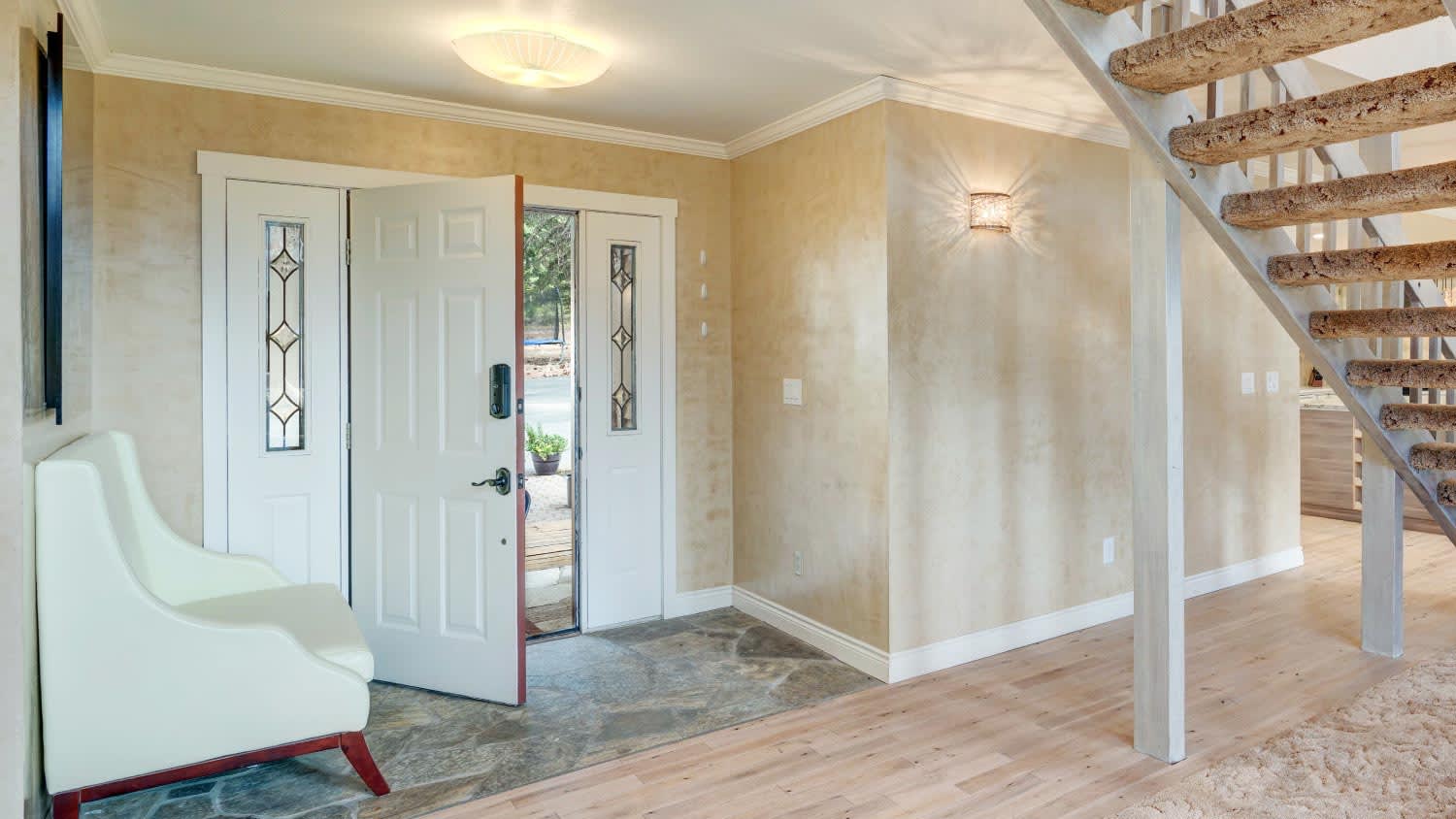
Venetian plaster can add depth and texture to your aesthetic. Learn how much Venetian plaster costs based on factors like square footage and whether you hire a pro to help.
You can find plaster walls in a lot of older homes. What’s behind these walls—whether that’s lath or calcimine—can have an impact on how long they last. Finding out the age of your house can help you determine what you’re dealing with.