



Top-rated excavation pros.

Get matched with top excavation pros in Wells, MN

Enter your zip and get matched with up to 5 pros

Need a pro for your excavation project in Wells, MN?

Select your specific project to find the pro for you.

Find Excavation pros in Wells

Dean's Tank Corporation
4.7(
17
)

Serving Wells, MN and surrounding areas

In business since 1987

Free estimates

Offers commercial services

"This company was quick to respond to my need, setting up a time the very day we spoke. The service technician called when he was on his way, giving a good ETA, and was responsive and polite during our interactions. He reviewed the tight area and the job to remove two old, large fuel oil tanks from the back of the property, and then just got it done. Billing was super easy as he produced the invoice right there. I would recommend Dean's for any similar project."
BTR
BTR II
UST 1
UST 2
UST excavated

+6

Response time2 days
Recommended by100%of homeowners
Ruff It Up Construction
4.0(
4
)

Serving Wells, MN and surrounding areas

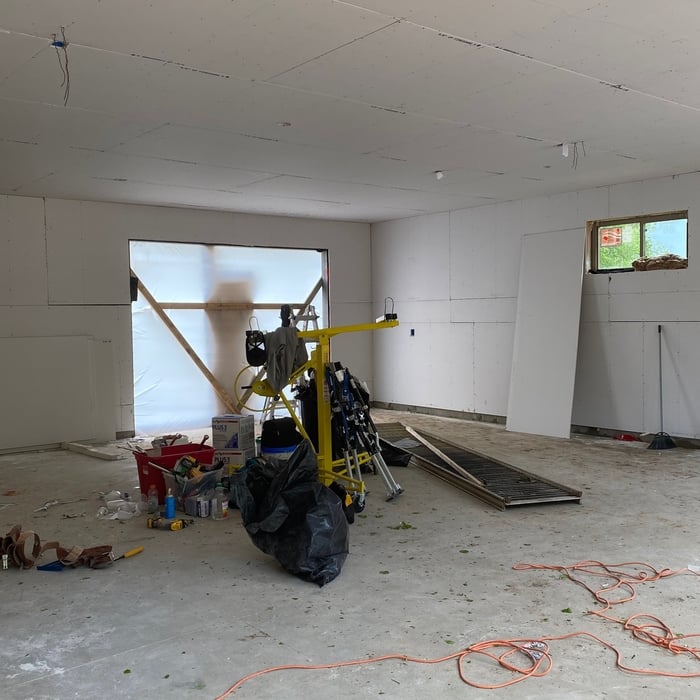
"The team was prompt and very detailed, was able to pivot and suggest little changes that improved the overall look. They reconstructed a soffit and several bathroom and bedroom walls to enhance the appearance. I asked for non textured ceilings and they are flawless. Great communication throughout the job…I will rehire again in the future!!"
Drywall
Garage
Mudding
Drywall
Garage

+19

Recommended by75%of homeowners
THH
New to Angi

Serving Wells, MN and surrounding areas

Free estimates

Emergency services offered

Small jobs welcome

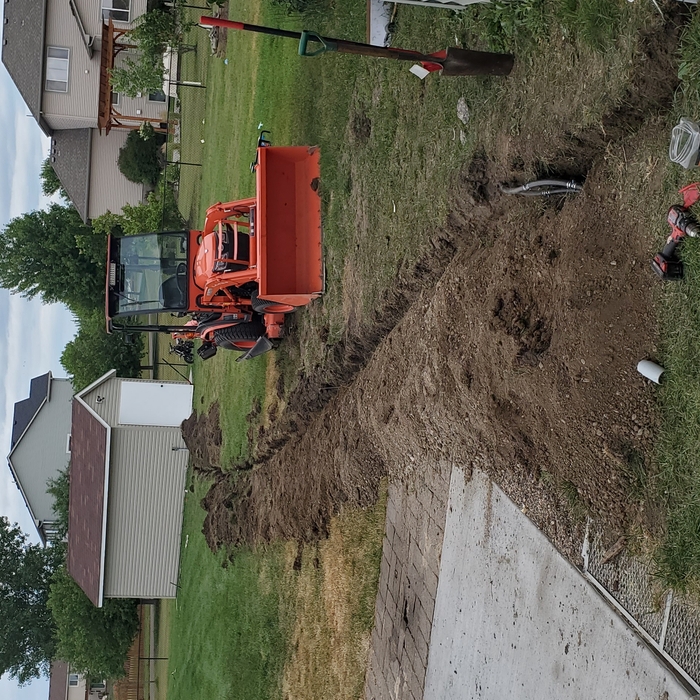
TINY HOMES HAVENS \n\nProtect your property and peace of mind by installing professional underground roof drains. These systems channel roof runoff safely away from foundations, walkways, and landscaping to prevent basement flooding, soil erosion, freeze damage, and costly foundation repairs. With a clean, unobtrusive installation, underground drains preserve curb appeal, reduce long-term maintenance, and can increase your property’s value while complying with local stormwater requirements. Key benefits: - Prevent basement and lower-level water intrusion - Protect foundation, siding, landscaping, and hardscapes from erosion and water damage - Eliminate unsightly surface runoff and puddling near your home - Low-maintenance solution with durable materials and professional grading - Adds measurable resale value and appeal to potential buyers by demonstrating proactive maintenance and reduced future repair risk - Can reduce long-term repair costs and increase resale value We provide site ass

Amazon Maple Grove
Excavating questions, answered by experts

The easier way to find buried sprinkler lines is to use the plan from the professionals who installed the system. If you don’t have professional plans, listen for running water on your lawn when you turn on the system. You may also spot wet areas, giving you an idea of where the heads are. Once you find the sprinkler heads, you’ll likely be able to connect the dots between them, revealing the system below.

Call 811 to locate and mark the gas lines at least three days before digging. In many areas, you can dig within 18 inches of the lines, though in some locations, the distance may be further. Check local regulations, as you may need a utility company representative onsite when digging. Document your calls to 811 and precautions taken to avoid gas lines. A homeowner can be held liable for hitting a gas line in some cases, but contacting the proper authorities and following all guidelines can offer protection.

Trenches are typically 12 to 24 inches deep and 8 inches wide. However, the required depth depends on the specific project and local ordinances. For example, a French drain may need to be 18 inches deep, while a water pipe might require a depth of 24 inches and a drainage pipe 36 inches. Your city or county may have specific regulations, so it's wise to consult with an excavation professional to determine the correct depth for your project.

The digging depth will depend on the size of the trencher you use. Even smaller units can dig up to 4 feet deep, which is plenty for a DIY job. However, much larger trenchers can reach a depth of 18 feet and are better used by a team of pro contractors, not a single DIYer. As with all home improvement projects, use the right tool for the job and proceed with caution.

How deep your septic system needs to be into the ground depends on several factors. In extremely cold environments, the tank needs to rest below the maximum frost line, which can be up to six or eight feet deep. The standard burying depth for most systems is between a few inches and four feet below ground level. Depth can also depend on the slope of the landscaping and other property variables. 

The Wells, MN homeowners’ guide to excavation services

From average costs to expert advice, get all the answers you need to get your job done.

What do you need done? We’ll find top pros.
  • 🌱 "Mow a small front yard"
  • 🛠 "Fix a leaking pipe under the sink"
  • 🏠 "Repair shingles on an asphalt roof"