



Top-rated excavation pros.

Best excavation pros near Emmons, MN

Enter your zip and get matched with up to 5 pros

Need a pro for your excavation project in Emmons, MN?

Select your specific project to find the pro for you.

Top-Rated Excavation pros in Emmons - Updated Nov 2026

THH
New to Angi
Building Site - Preparation and ClearingBuilding Site - Preparation and Clearing - For BusinessExcavation - Major Grading or Resloping+1 more

Serving Emmons, MN and surrounding areas

Free estimates

Emergency services offered

Small jobs welcome

TINY HOMES HAVENS \n\nProtect your property and peace of mind by installing professional underground roof drains. These systems channel roof runoff safely away from foundations, walkways, and landscaping to prevent basement flooding, soil erosion, freeze damage, and costly foundation repairs. With a clean, unobtrusive installation, underground drains preserve curb appeal, reduce long-term maintenance, and can increase your property’s value while complying with local stormwater requirements. Key benefits: - Prevent basement and lower-level water intrusion - Protect foundation, siding, landscaping, and hardscapes from erosion and water damage - Eliminate unsightly surface runoff and puddling near your home - Low-maintenance solution with durable materials and professional grading - Adds measurable resale value and appeal to potential buyers by demonstrating proactive maintenance and reduced future repair risk - Can reduce long-term repair costs and increase resale value We provide site ass

Amazon Maple Grove
Earthscape stone masonry & landscape design
0.0(
1
)
Landscape - Minor Grading or Resloping

Serving Emmons, MN and surrounding areas

In business since 1997

At Earthscape, our uncompromising dedication to quality craftsmanship ensures that every project is approached individually, creating a personal masterpiece that meets the needs and expectations of our clients, from design to completion. We specialize in landscape and architectual stone masonry (interior & exterior). Examples of our work include: Fireplaces(indoor & outdoor), walls, flooring, facing, patios, and pool decks. We also make custom birch and stone furniture and furnishings. Let our team go to work and add the beauty and strength of natural stone to your home and landscape, creating your perfect little corner of the world. \n \n

Excavating FAQs, answered by experts

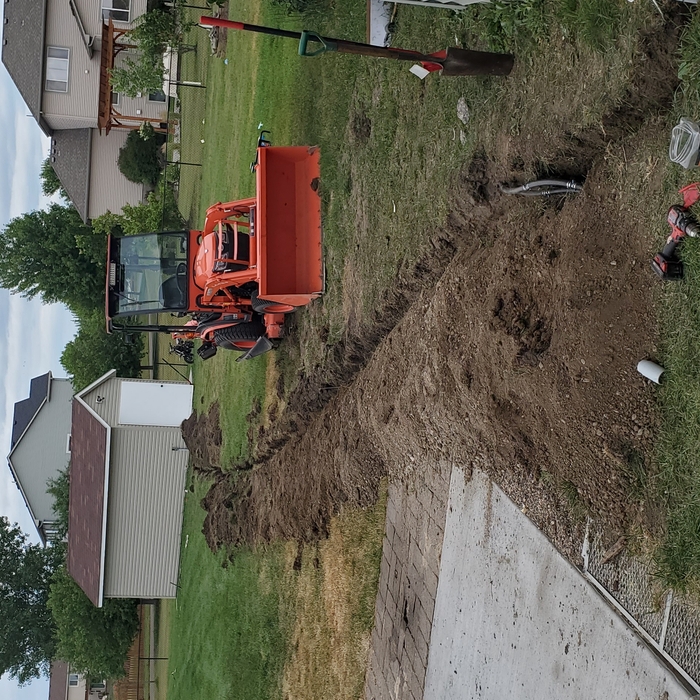
Trenches are typically 12 to 24 inches deep and 8 inches wide. However, the required depth depends on the specific project and local ordinances. For example, a French drain may need to be 18 inches deep, while a water pipe might require a depth of 24 inches and a drainage pipe 36 inches. Your city or county may have specific regulations, so it's wise to consult with an excavation professional to determine the correct depth for your project.

There are several different factors that influence how long it takes to excavate. For a foundation, it could take anywhere from three days to three weeks. It can take even longer if you face weather-related delays or an inaccessible site that’s riddled with boulders and rough terrain. It may also take longer if you have clay soil, which is more difficult to dig.

A joint utility trench, or joint trench, is a long, buried ditch on a property that contains two or more utility lines rather than running the lines in multiple trenches. Some utilities, like gas and electric or electric and communication lines, are better suited to joint trenching, while others, like water and sewer, are not allowed to be in the same trench.

Prior to excavation, you should prepare the dig site and call 311 before you sign anything.

To get your site ready for excavation, you should move anything in the area that isn’t affixed to the land. You can save money on the excavation by removing hardscaping, including walkways, decks, concrete patios, and paver patios.

Before you carry out any digging, you should call 311 to confirm that there are no utility lines running through your excavation site. Skipping this step could lead to severe injury and property damage if your excavator hits a water, sewage, or gas line.

Most residential basements are 8 to 10 feet deep. You can dig deeper depending on building codes, but it does become more difficult. You’ll likely need to install stronger foundation walls and additional supports to handle the increased load. Depending on the water table, you may also need a water management system. Clay soil can support a deeper foundation than sandy soil. A structural engineer will be able to tell you the maximum, feasible depth.

The Emmons, MN homeowners’ guide to excavation services

From average costs to expert advice, get all the answers you need to get your job done.