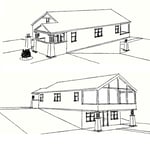
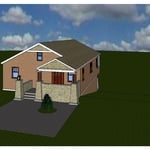
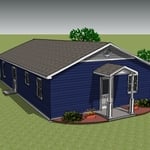
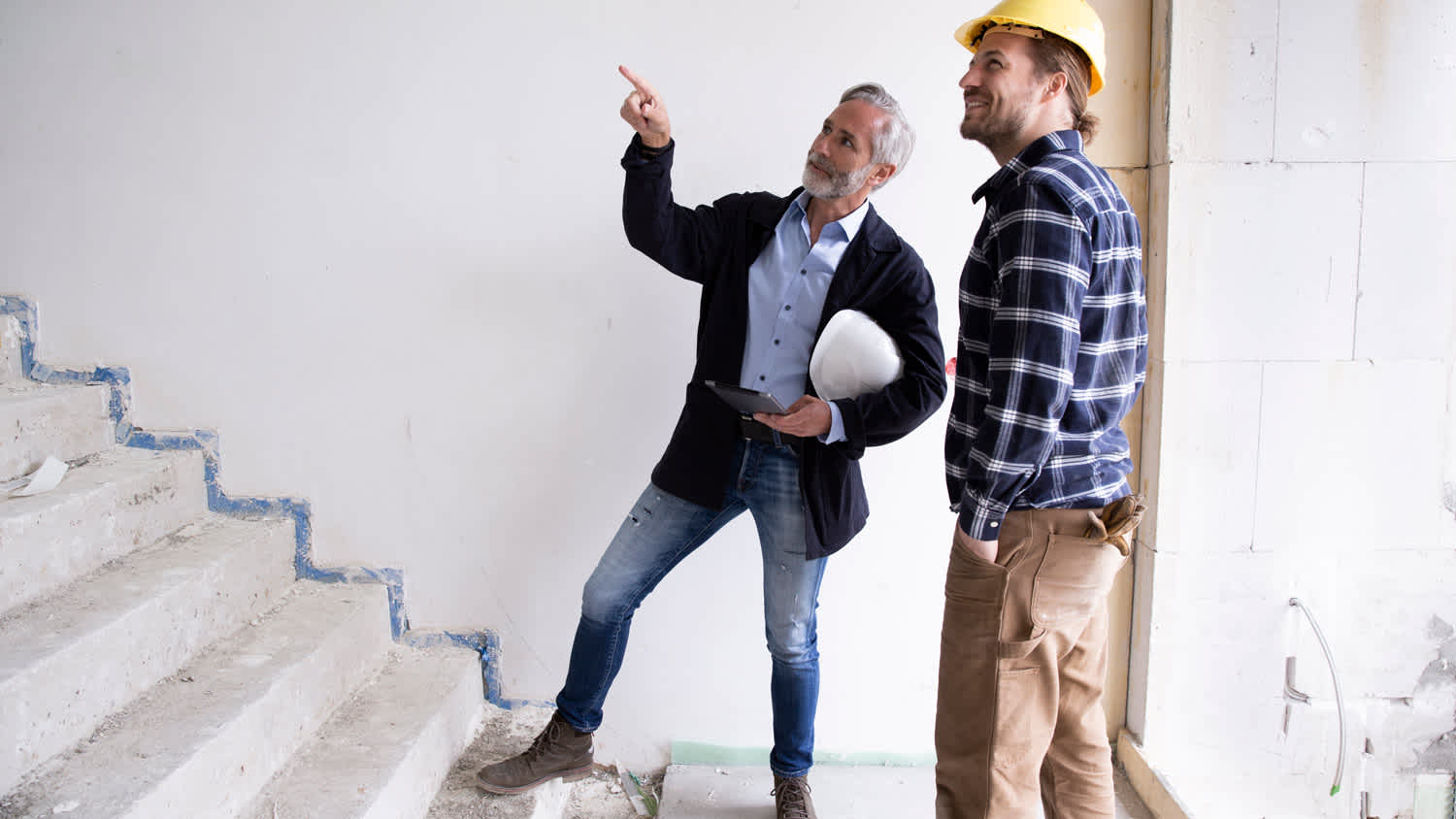
We have a single mission: Complete Customer Satisfaction! We have consistently focused on the needs of our customers, providing personalized attention and a stress-free experience.\nYou will find us to be competitively priced with close attention to the details.\nOur reputation is based on service, safety, and quality, regardless of how large or small the job.\nWe look forward to building a lasting relationship and guarantee your satisfaction!\n
"We worked with Steven on our garage conversion project in San Francisco. With it being our first time embarking on a home renovation, we were so glad to have found Steven! He guided us throughout the process not only in the renovation details but also in selecting a GC for the job and finish material decisions. Steven was collaborative, organized, and very mindful of our goals, budget, and aesthetics. He proactively connected us with reps he works with for exterior doors and windows, tiling etc. and made us feel reassured that we were working with vetted vendors. If you're kicking off a new project and want someone collaborative, experienced, and easy to work with I highly recommend Bugge Plus. Steven and his structural engineering partner Jakob were a joy to work it!"
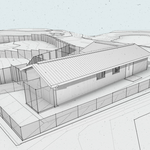
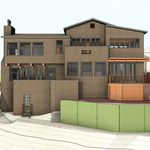
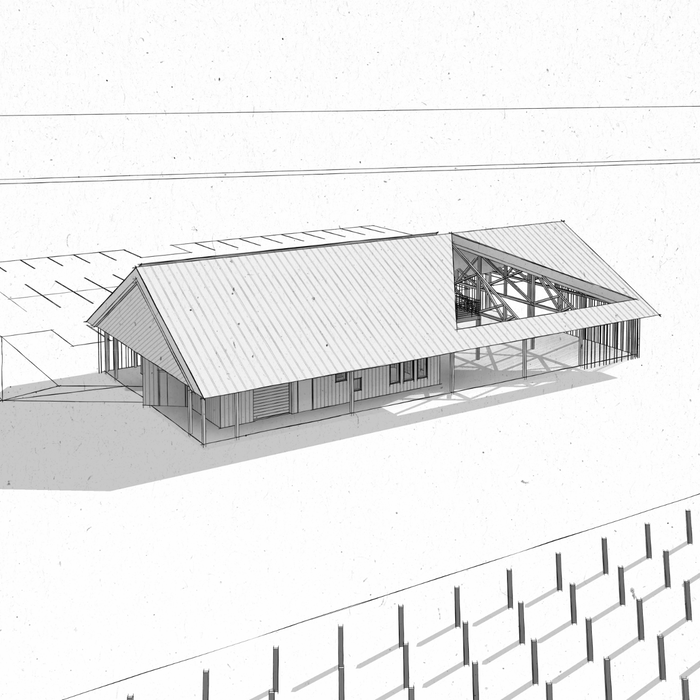
Terraform Development & Design LLC, delivers expert permit-ready architectural plans and drafting services nationwide. With 8+ years of experience and hundreds of clients across all 50 states, we create code-compliant residential and commercial construction documents that get approved fast and built right.\nFrom site plans, floor plans, elevations, structural & foundation drawings to MEP coordination, full construction sets, 3D renderings, interior design, solar PV layouts, and precise material takeoffs - we handle it all. Fast 4-6 week turnaround, 3 design revisions included, free revisions for city redline changes, transparent pricing (starts at $2,000), and direct partnerships with licensed engineers for stamps in every state.
We take great pride in our experience, expertise, quality, and customer service that we provide to meet the consumer's needs. It is our mission to provide excellent workmanship and complete customer satisfaction from start to completion of a project. In order to understand the needs and expectations of our customers, we take great care to work and communicate with every customer in a professional manner. Our reputation is based on service, safety, and quality, regardless of how large or small the job.\n\nmonday - sunday 8 am - 9 pm\n\n
"I was really under the gun due to a prior Architectural firm not performing their duties per building plan codes. Not only were the plans incomplete but the City Plan Reviewer states(The Worst plans he’s ever seen) they will not make adjustments unless there is an additional charge for Thousands.
Evaluation’s saved my clients and drew our project per code, along with Engineering in less time then they quoted. I highly recommended them, Especially Kirsten. You went above and beyond trying to coordinate this project. The staff was very professional and I will use them on all my projects.
Sincerely,
Frank B
BCM Builders"
We are a locally-owned and operated design company that specializes in a wide variety of drafting, design, and planning projects. Our services are customizable for each specific project, and we take pride in our ability to consistently exceed customer expectations. We look forward to building long-term relationships with every client we serve. Don't hesitate to give us a call today to learn about all the ways we can help to meet your drafting and design objectives!
At TR Home Design, we can take care of all of your design needs. Our expertise extends to every room in your home and we will customize the plans to fit your needs. Call today for a free estimate and let us show you how to make your building dreams come true!
WVV Mechanical is a licensed and insured commercial HVAC and mechanical contractor serving Minnesota. We specialize in commercial HVAC installations, tenant improvements, mechanical buildouts, ventilation, ductwork, refrigeration piping, equipment installation, and general contracting. Whether you’re remodeling an existing space or building from the ground up, we deliver dependable workmanship, clear communication, and quality results. While our primary focus is commercial projects, we also take on select residential HVAC and construction work. If you want a contractor who shows up, solves problems, and stands behind their work, WVV Mechanical is ready to help.
Structural Engineering questions, answered by experts
Generally, you can tell if a home is bolted to the foundation by checking the foundation for plates. If you see that your foundational plates connect to wood or bolts protruding from them, this means that you have a bolted foundation. However, it's always wise to bring a home inspector in to confirm if your foundation is secure.
Through proper drainage solutions and compacting the foundation soil.
Cathedral ceilings make a statement in your home, but at the cost of your attic space. Normal attics are wide open, which allows warm air to move around and exit your home. Because of this, cathedral ceilings make your home less energy efficient and put your ceiling at risk of venting issues if you’re not careful. They also reduce your attic storage space, potentially cause an echo, and even make it harder to change a light bulb.
A structural engineer's report provides a professional assessment of a property's structural condition. It typically includes an evaluation of the foundation, key structural elements like roof trusses, floor joists, studs, beams, and rafters. The report will also contain a detailed description of the engineer's findings, often supported by photographs, and provide recommendations to correct any identified issues. Depending on the scope of the inspection, it might also include an assessment of property drainage, potential issues from environmental conditions like extreme weather or tree placement, and an estimated time and cost for any recommended repairs.
The 10 10 rule describes the formula most contractors use to determine how much to charge for a job. Allowing for 10% overhead above the total projected cost to do the work and 10% profit sets a contractor up for success, even if there are delays or other problems on the project. This formula isn’t a hard-and-fast rule, but it is a ballpark figure to begin with when estimating your expenses on a job.
The Truman, MN homeowners’ guide to structural engineering services
From average costs to expert advice, get all the answers you need to get your job done.
The cost of a structural engineer is easily justifiable given the value they bring to the table. Use this guide to see what hiring your professional will total.
Spotting deep foundation cracks or sagging floors? Learn about structural engineering costs, serious warning signs, and how to hire the right local pro.
It can be hard to choose the right pro for any job, but it matters. Learn how to hire a structural engineer who'll get the job done right from start to finish.