
Top-rated electricians.

Best electricians near Saint Paul Park, MN

Enter your zip and get matched with up to 5 pros

Need a pro for your electrical service project in Saint Paul Park, MN?

Select your specific project to find the pro for you.

TRUSTED BY SAINT PAUL PARK, MN HOMEOWNERS

  • Average homeowner rating star icon4.6
    Average homeowner rating
  • Verified reviews icon1.1k+
    Verified electrical services reviews

Top-Rated Electricians in Saint Paul Park - Updated Nov 2026

...
Showing 1-10 of 194
Electrical FAQs, answered by experts

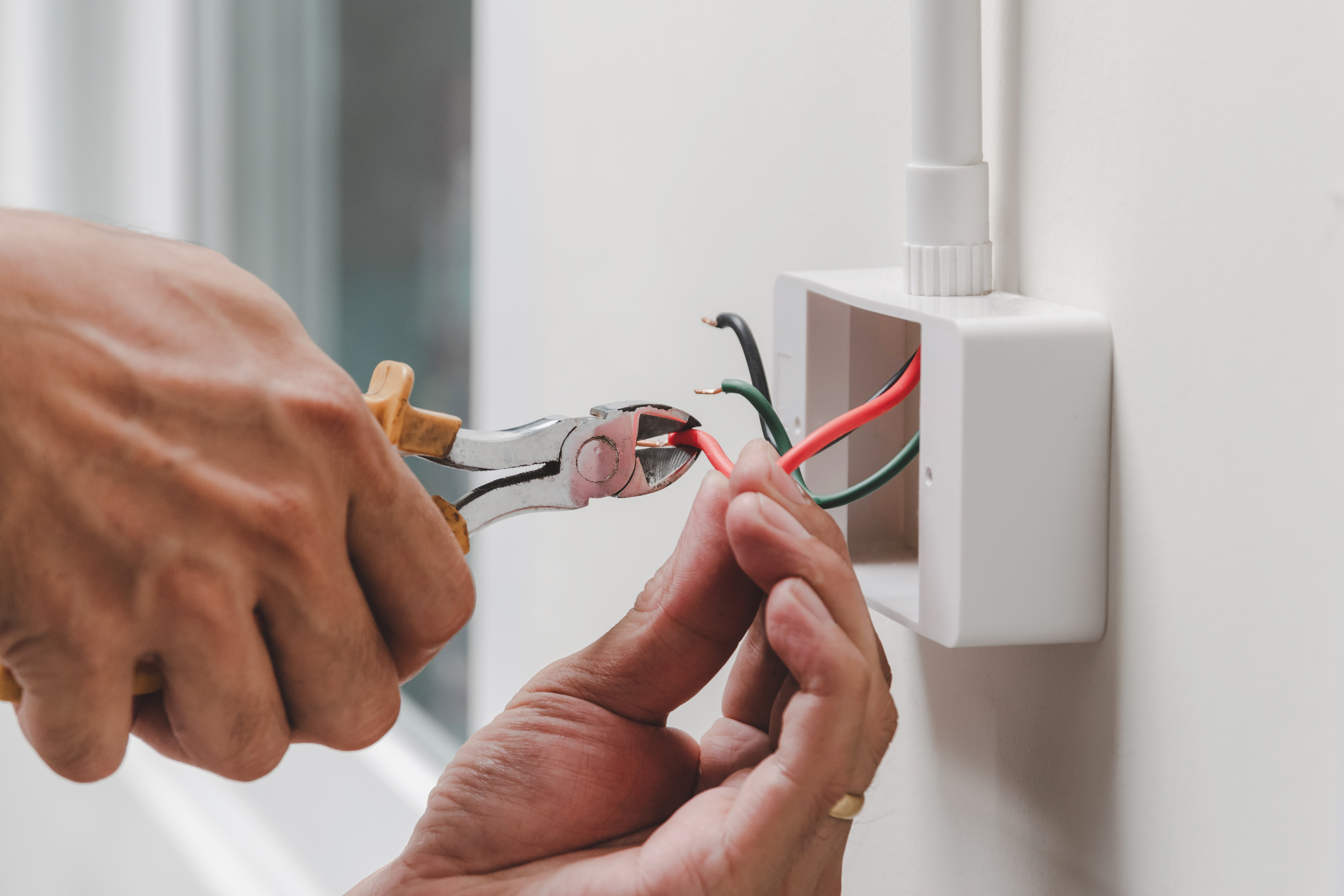
There are several things to try to repair a broken outlet. Whether it's fixable or not may depend on the problem and the type of outlet itself. Start by testing the circuit with an electrical tester and ensuring the breaker switch to the circuit functions as it should. Loose wires are sometimes the culprit and are repairable by fixing the connections. 

Before the widespread use of PVC, affixing a ground wire to plumbing pipes was generally considered to be an acceptable workaround. Nowadays, not so much. There are plenty of nonmetallic water pipes and fittings out there, so any ground previously provided by the metallic piping would be interrupted in these cases, which is dangerous.

It is safe to run a generator continuously, but you must follow safety protocols to ensure personal and home safety. Read the manufacturer’s instructions for specific recommendations, but the general recommendation is to turn generators off overnight or when you’re away from the house. Overworked generators can pose a fire hazard and if your generator is not in a well-ventilated area, running it continuously could lead to carbon monoxide poisoning.

Yes, you can use a dimmer switch with an LED fixture, but it must be a dimmer that is compatible with LEDs. Check the manufacturer’s information to ensure the dimmer works with LEDs, as not all dimmers are compatible with them. Many smart light switches accept LEDs, but be sure to read the details on the packaging.

Most standard residential water heaters, which are typically around 40 gallons and use 240 volts and between 3,500 and 5,500 watts, require a 30-amp, two-pole circuit breaker. For smaller, point-of-use water heaters using 120 volts and between 1,500 and 3,000 watts, a 30-amp breaker is also often adequate. However, some models may have different needs; units that use more watts than average may require a 40-amp breaker, while smaller units might only need a 20-amp breaker. Newer, tankless, or more energy-efficient models can also require a higher amperage. Having the correct breaker size is crucial for safe and efficient operation, so it's best to consult a licensed electrician to determine the specific needs of your water heater.

The Saint Paul Park, MN homeowners’ guide to electrical services

From average costs to expert advice, get all the answers you need to get your job done.