"I highly recommend this exceptional business, whose knowledgeable and professional staff consistently demonstrate a genuine interest in helping their clients. They are punctual, courteous, and willing to address any questions or concerns. Their commitment to safely using their products and providing outstanding service makes them the ideal choice for all pest control needs."
Since 1932, Presto-X has been providing expert pest control services guided by the enduring principles of providing world class service to our customers and taking care of our colleagues. Presto-X covers your home or business with expert knowledge, professionally licensed and trained technicians, and exemplary service designed specifically for you.
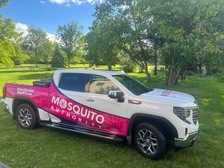
Double Ray Spray is committed to excellence in every aspect of our business. We uphold a standard of integrity bound by fairness, honesty and personal responsibility. Our distinction is the quality of service we bring to our customers. Accurate knowledge of our trade combined with ability is what makes us true professionals. Above all, we are watchful of our customers' interests and make their concerns the basis of our business. Please give us a call today!
\n
"Live trapped two opossums that were living under a cantilevered portion of our house. Elite Pest Control was the only one of five companies to immediately respond to our Angi request. They also repaired the hole made by the animals that gave them access to the floor joists. I highly recommend Elite Pest Control for small animal capture and removal."
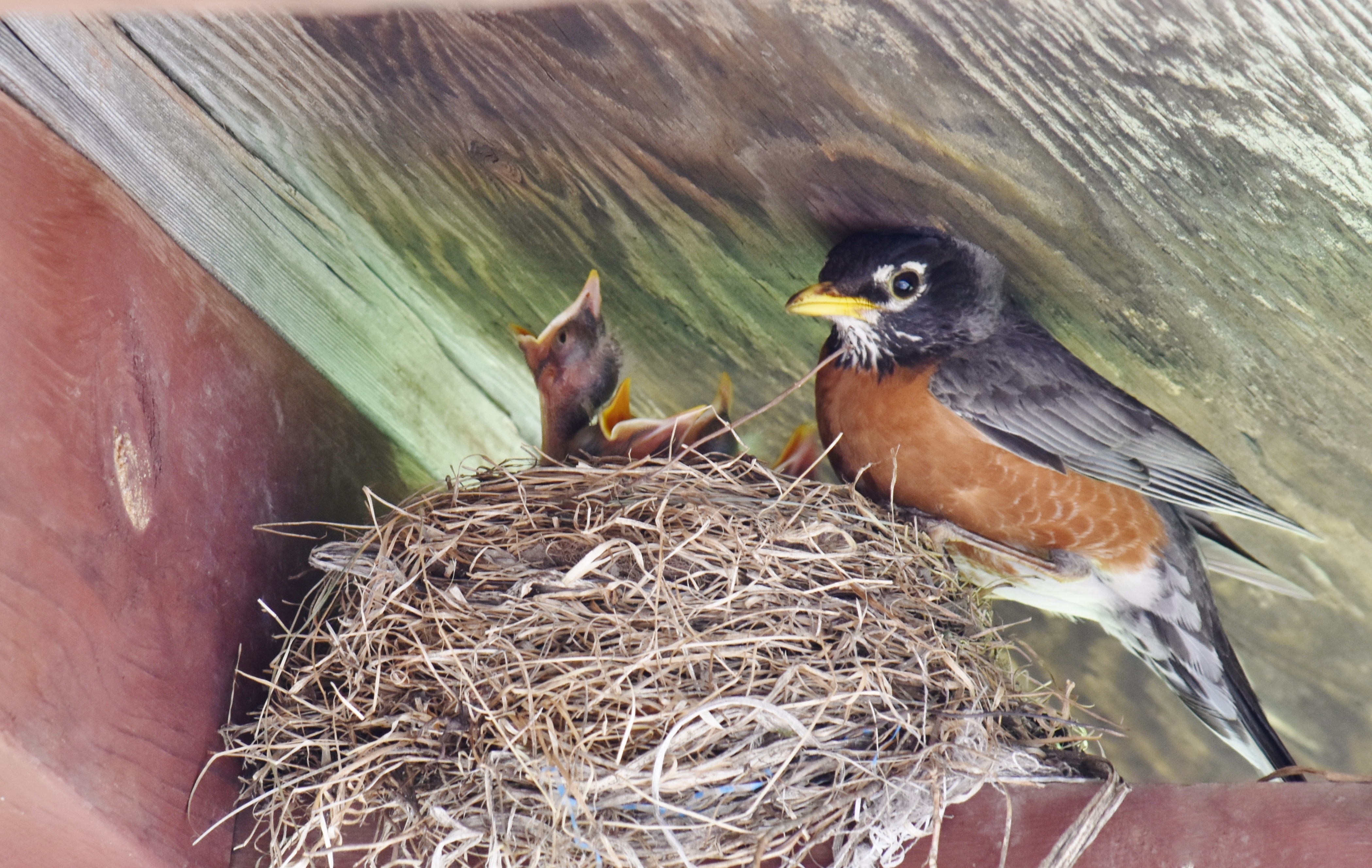
"They went above and beyond in extracting 3 baby birds that had built a nest in our bathroom vent. It took multiple trips and some acrobatics on the roof but they made sure the birds were extracted and relocated. Would highly recommend!"
"Perfect. Pests stay gone with proper maintenance. Defender Pest Control is prompt, reliable, knowledgeable, and most importantly, EFFECTIVE. Will definitely use again."
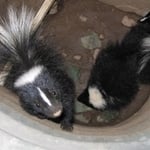
Numerous predators kill hornets, including frogs, birds, lizards, bats, spiders, and hedgehogs. Some larger predators, including rats, skunks, and racoons, will occasionally attack a hornet nest in order to eat the larvae inside. These natural predators typically don’t eat enough hornets to make them an effective form of hornet control.
Pest control measures for bird and bat issues typically last from several weeks to months, depending on the effectiveness of the implemented solutions and the return of conducive conditions.
Trees that provide a habitat to bats and an abundance of bugs—their main food source—will attract bats to your yard. Because the North American landscape has changed so much in recent years, bats have a harder time finding trees with cavities to shelter in. If your yard has a dead or dying tree with a lot of sun exposure, bats will likely be drawn to it because trees with those features are less common.
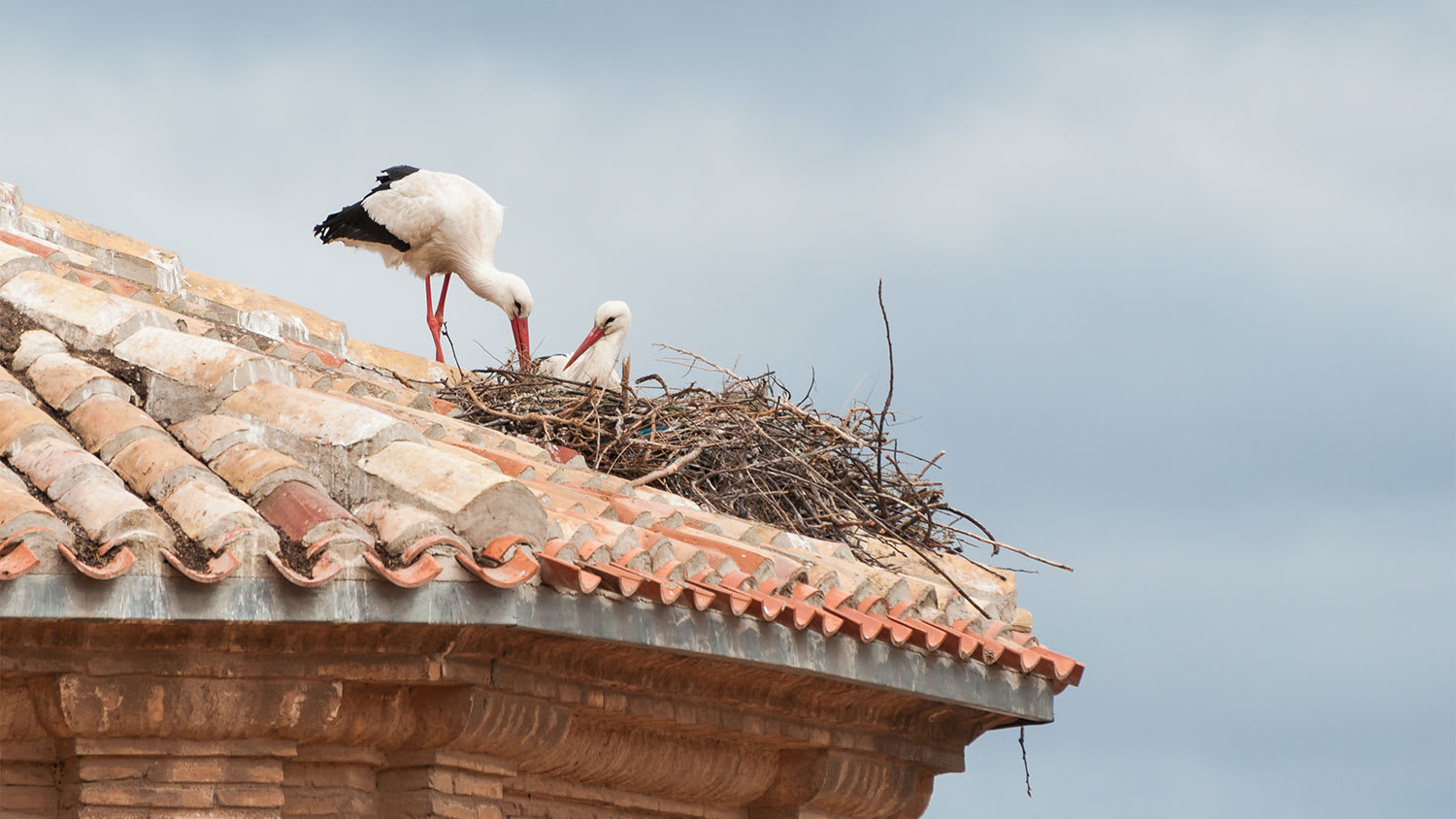
Both spikes and loose nets can be installed over nest sites to prevent the bird from returning, but nets are not a humane option since birds and other wildlife can get tangled in them.
Spikes are a humane alternative that deter nesting without harming the birds. In small areas, like vents, a very fine mesh net can be installed to prevent the bird from returning. These nets don't generally pose a risk to the birds.
You can find a variety of humane bird repellent sprays online and at home improvement stores. However, if you want to try a DIY method that will keep birds away without harming them, mix some water, dish soap, and a few drops of peppermint oil and spray the area you want bird-free. Peppermint oil is a notoriously lovely smell for humans, but birds tend to avoid it.
The Rockford, MN homeowners’ guide to bird control services
From average costs to expert advice, get all the answers you need to get your job done.
Whether you have bugs, bats, or rodents invading your home, you’ll want to contact an exterminator quickly. Find out how much pest control costs in Minneapolis, MN.
Find out the average bat removal cost in Minneapolis, MN. Learn what you can expect to pay for local wildlife control and bat exclusion services today.
Sometimes birds nest in unwelcome places. Find out how much bird nest removal will cost based on factors like location, bird species, and preventative measures.