"My experience with Jared and Paula couldn’t have went any better and I love my new kitchen! They were on time, communicated daily even when I had a ton of questions choosing a color. I am so impressed with the quality and durability of my cabinets. They even painted my kitchen for free! I will definitely use them again in the near future!"
"Well it took some time for them to get out there because we had lots of rain that week, but when they showed up, they were great, I cant believe they even took the time to do a little shed for me that was not even in the quote, and did not charge me for it, they said they felt bad because the rain kept delaying them but that was not there fault, wow what a professional company, you don't see guys like Mr. Moss anymore you could tell his work is very important to him....."
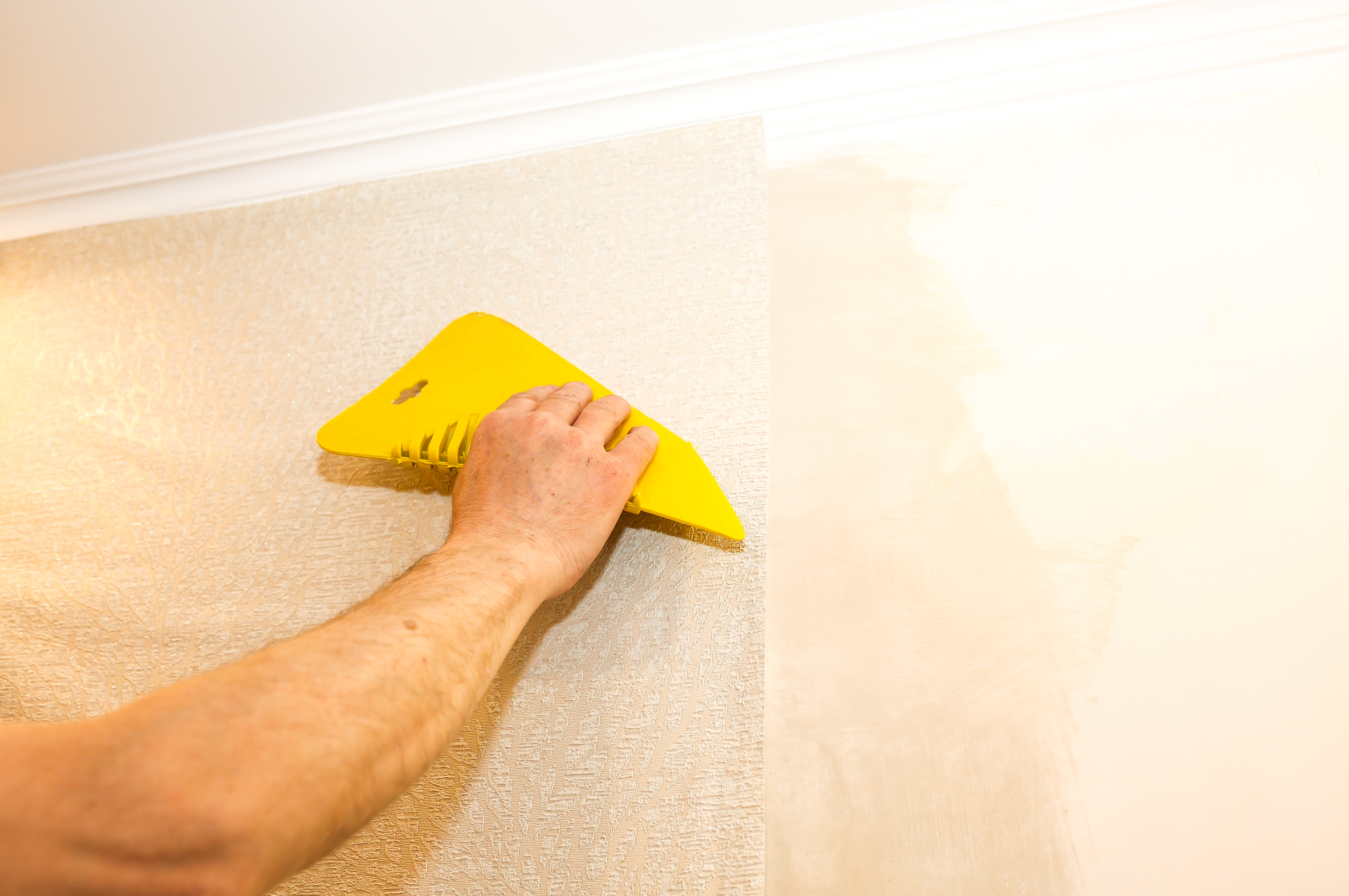
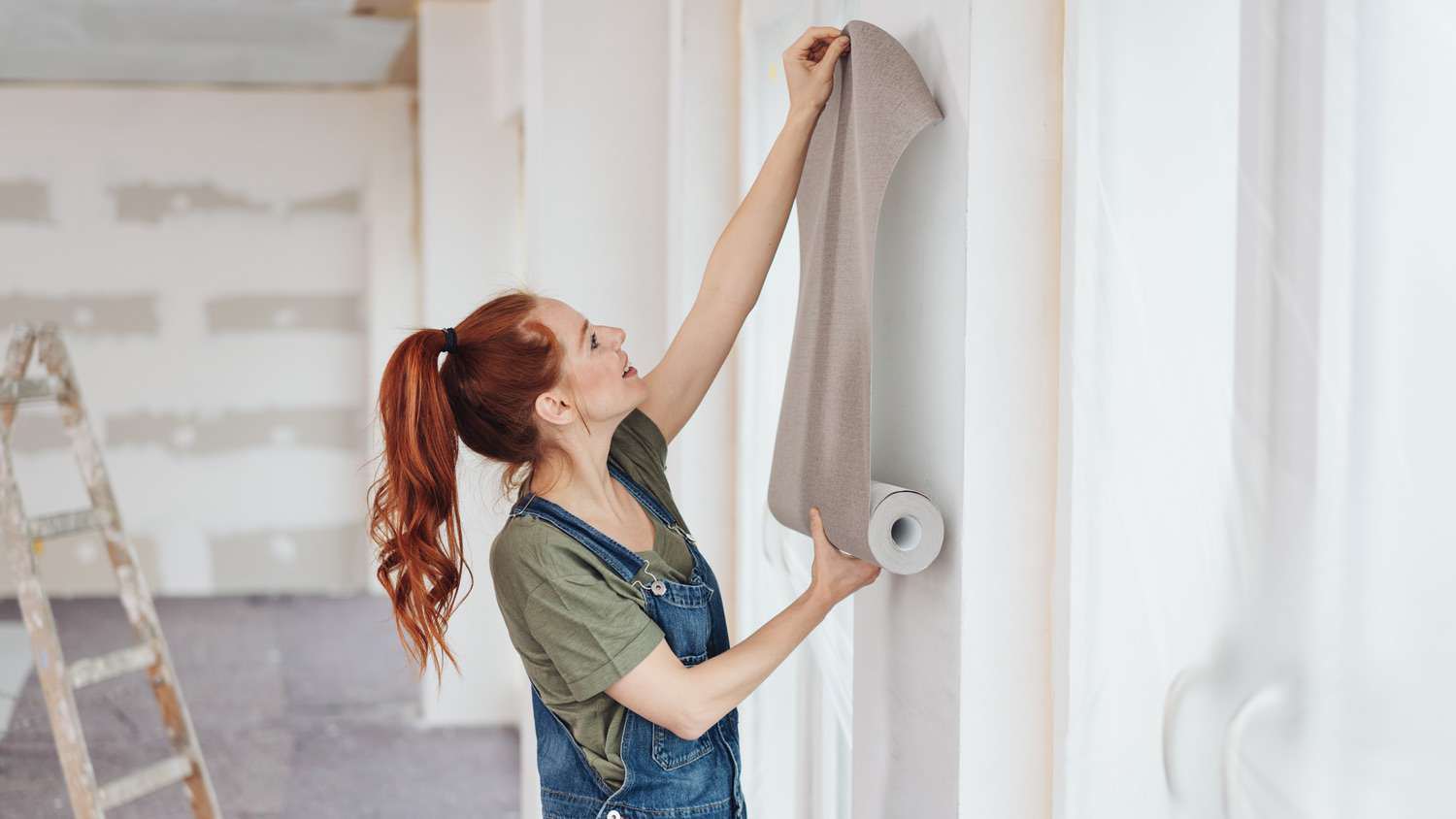
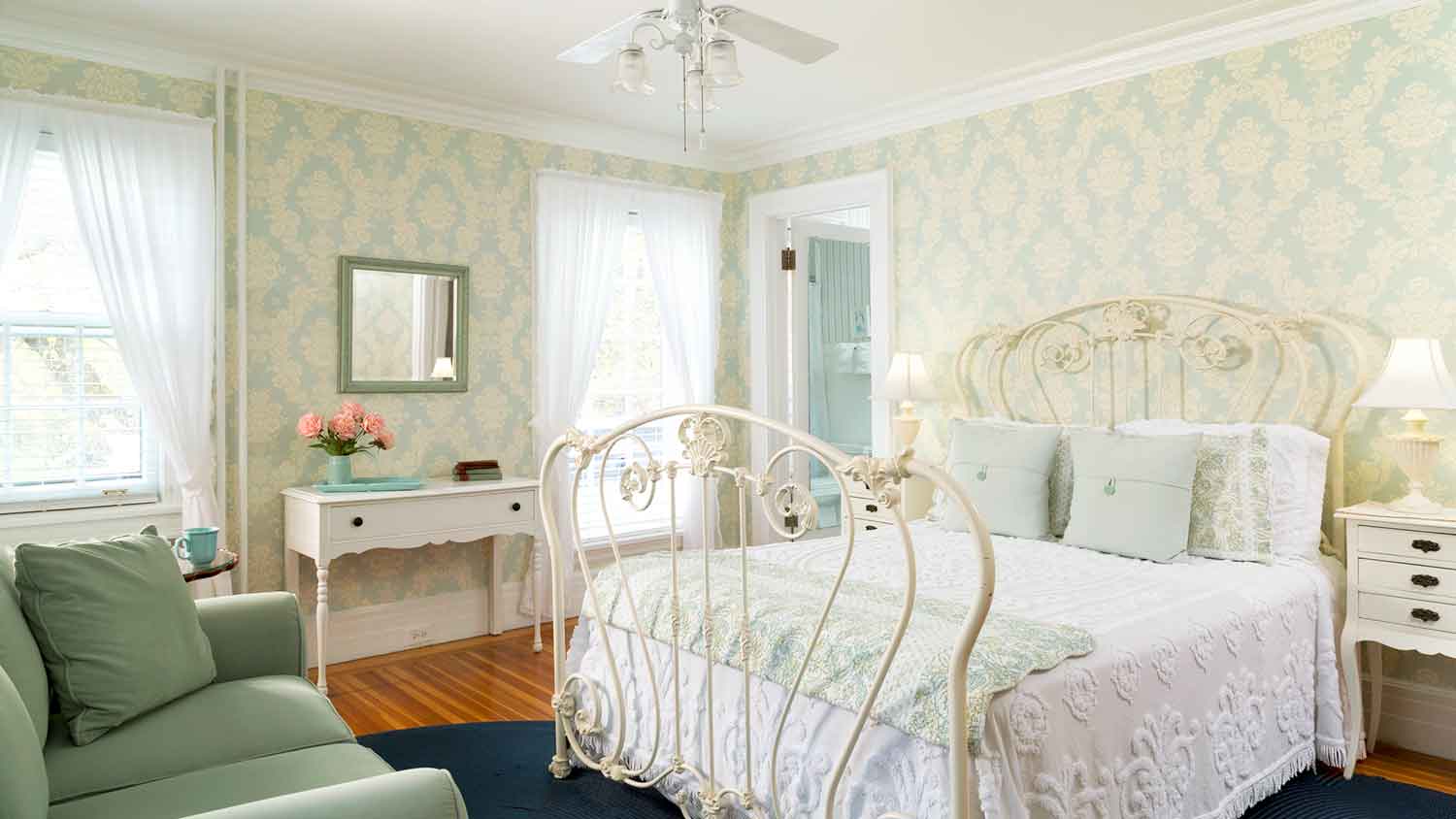
Many types of wallpaper exist, from removable peel-and-stick options to more permanent options that involve pasting. You can also find wallpaper that you can paint over, wallpaper with a texture, and wallpaper made from various materials, such as vinyl. Some types of wallpaper are washable, which can be a great option for kitchens or if your household has small children.
Installation typically takes 1-2 weeks, depending on the wall’s size and site conditions.
In most cases, it is not recommended to wallpaper over existing wallpaper, as the success depends on the type of paper already on the wall. While you might be able to cover non-coated wallpaper, you should never apply new wallpaper over a vinyl-coated one, which is more common. Doing so can lead to poor adhesion, resulting in bubbles, imperfections, and peeling. It can also trap moisture, potentially causing hazardous mold growth between the layers.
Even if the existing wallpaper is suitable, experts recommend applying only one new layer. Adding multiple layers (more than two total) can cause significant adhesion problems, leading to warping and bubbling. For the best results, the recommended approach is to remove the old wallpaper and all paste residue before hanging the new paper. If you are unsure about your wallpaper type, consider consulting a professional.
One of the biggest downsides to peel-and-stick wallpaper is that it doesn't last as long as traditional wallpaper. Its lifespan depends on several factors, including the quality of the paper, proper wall preparation and application, and the room's conditions. As a general rule, peel-and-stick wallpaper can last for at least five years, but this can vary significantly. Budget products may only last about 3 years, while higher-quality products can stay up for 7 years or more in ideal conditions. Factors that can shorten its lifespan include high humidity (such as in a bathroom), dirty walls, and low-quality paper. If used on flooring, expect it to last only 1 to 3 years unless sealed. However, the shorter lifespan can be seen as a positive, making it a great choice for people who enjoy switching up their interiors more frequently.
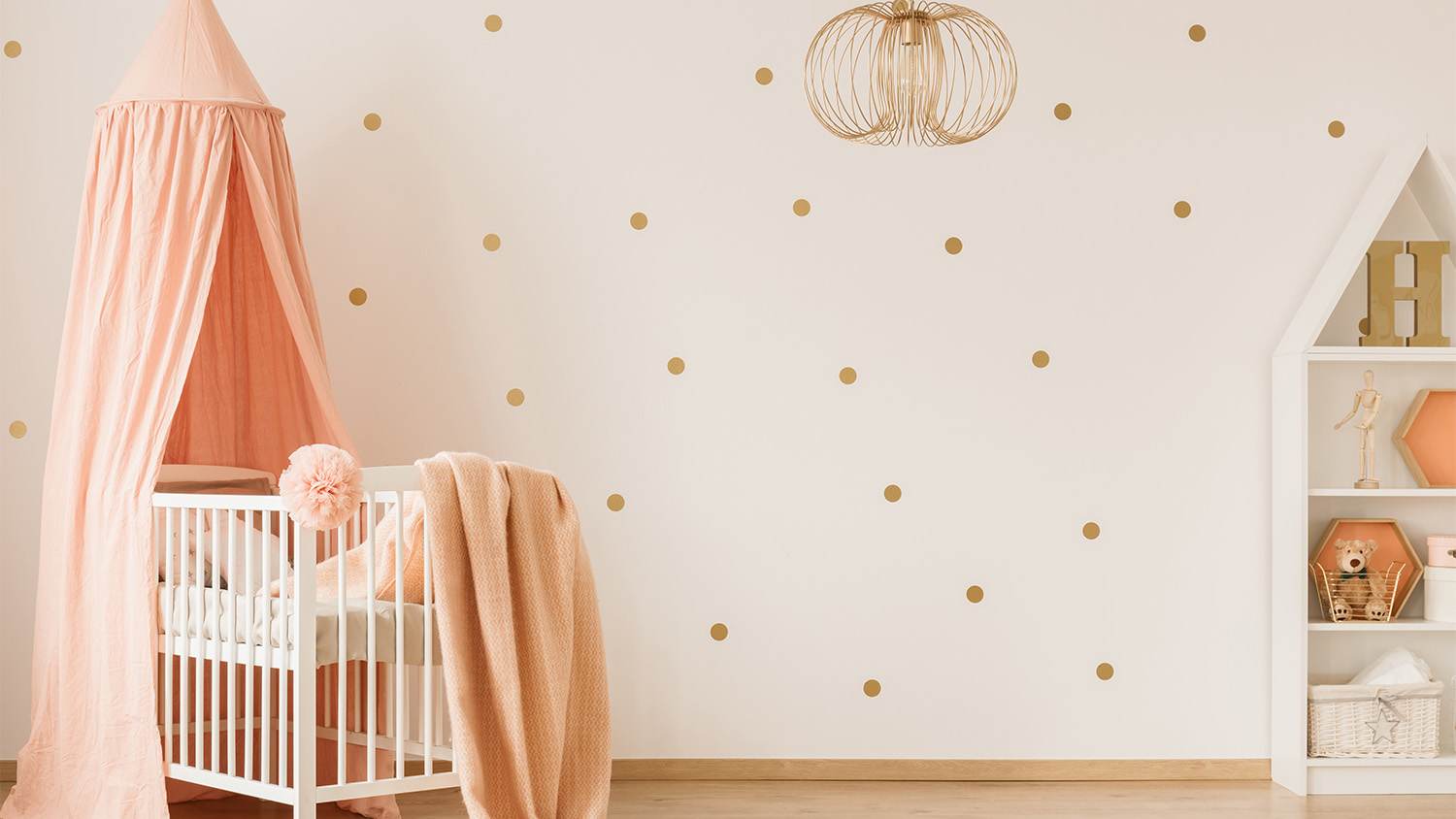
To pair a unique sense of style with white walls, keep them well-decorated. Hang vibrant art or bold furniture to add color to the room. Add some texture and greenery to the space with plants. Choose accent pieces such as throw pillows or light fixtures with patterns. Having a white wall can be a plus as it allows homeowners to easily decorate their homes as they desire without worrying about clashing with the paint color.
The Red Lake, MN homeowners’ guide to wallpaper services
From average costs to expert advice, get all the answers you need to get your job done.
Discover wallpaper installation cost. Learn about material, labor, and project factors to estimate your budget and make informed choices for your home.
Whether you can put wallpaper over wallpaper depends on the type of paper you’re using and the condition of the existing surface. Learn more with this guide.