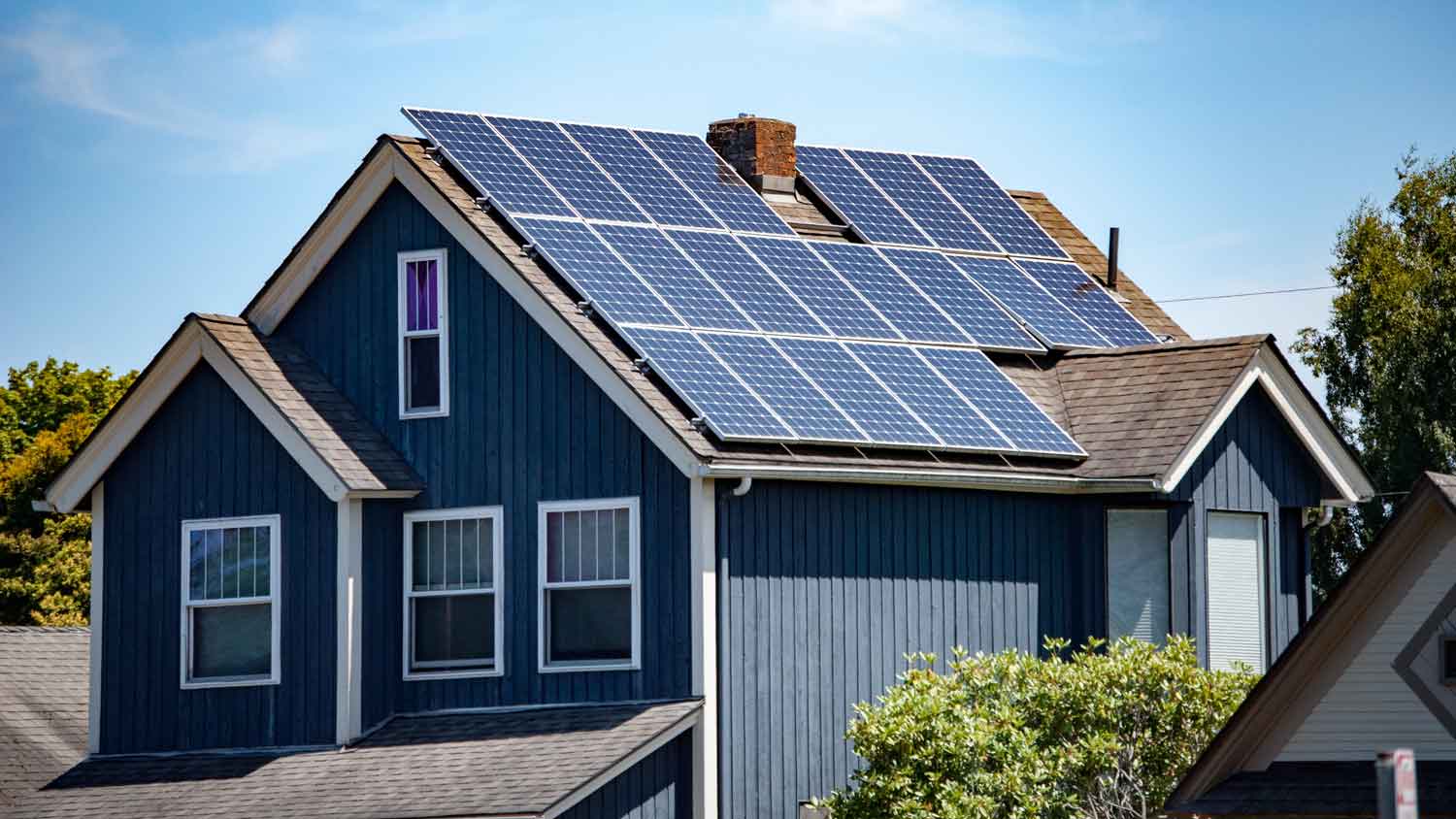
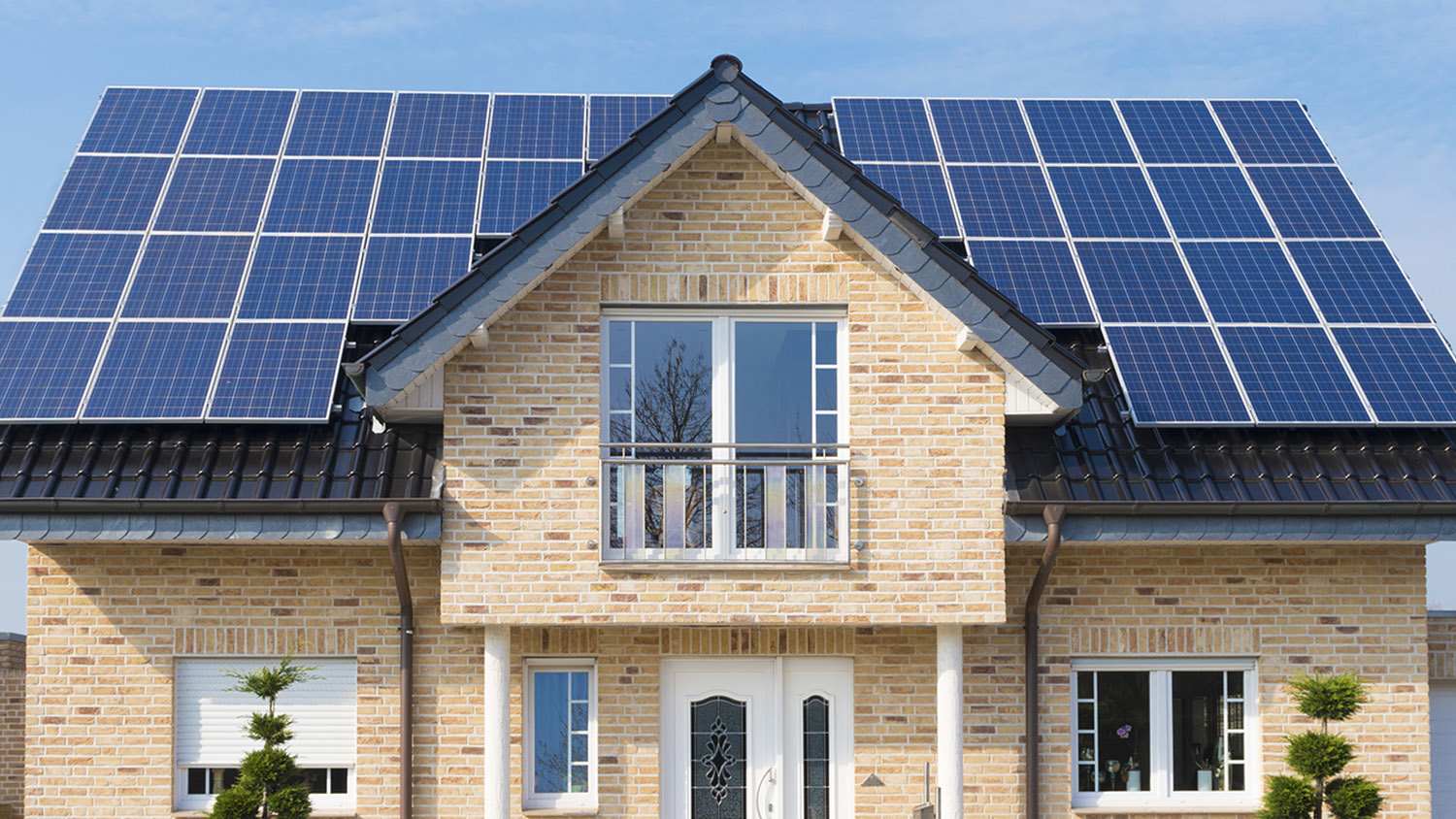
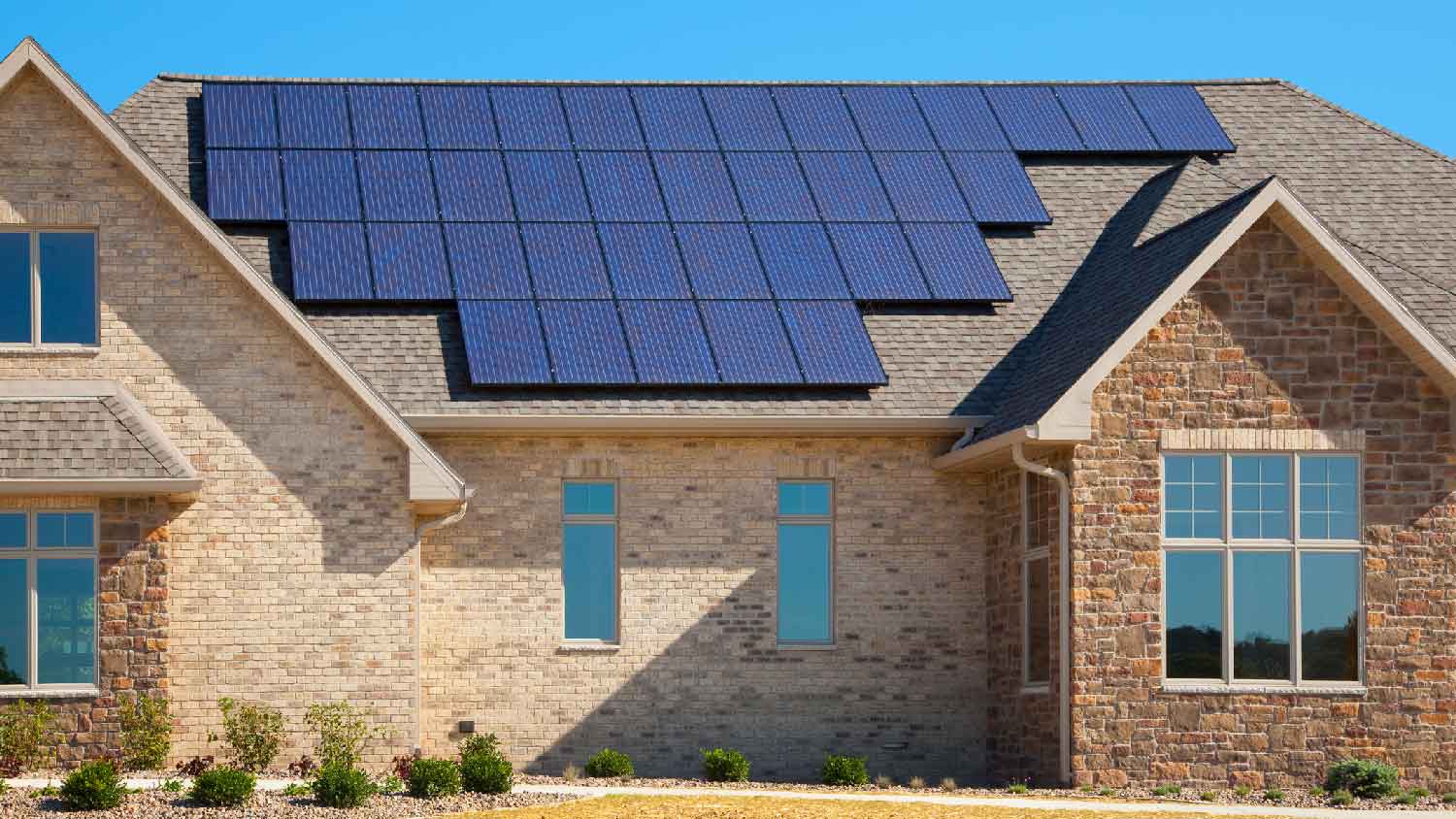
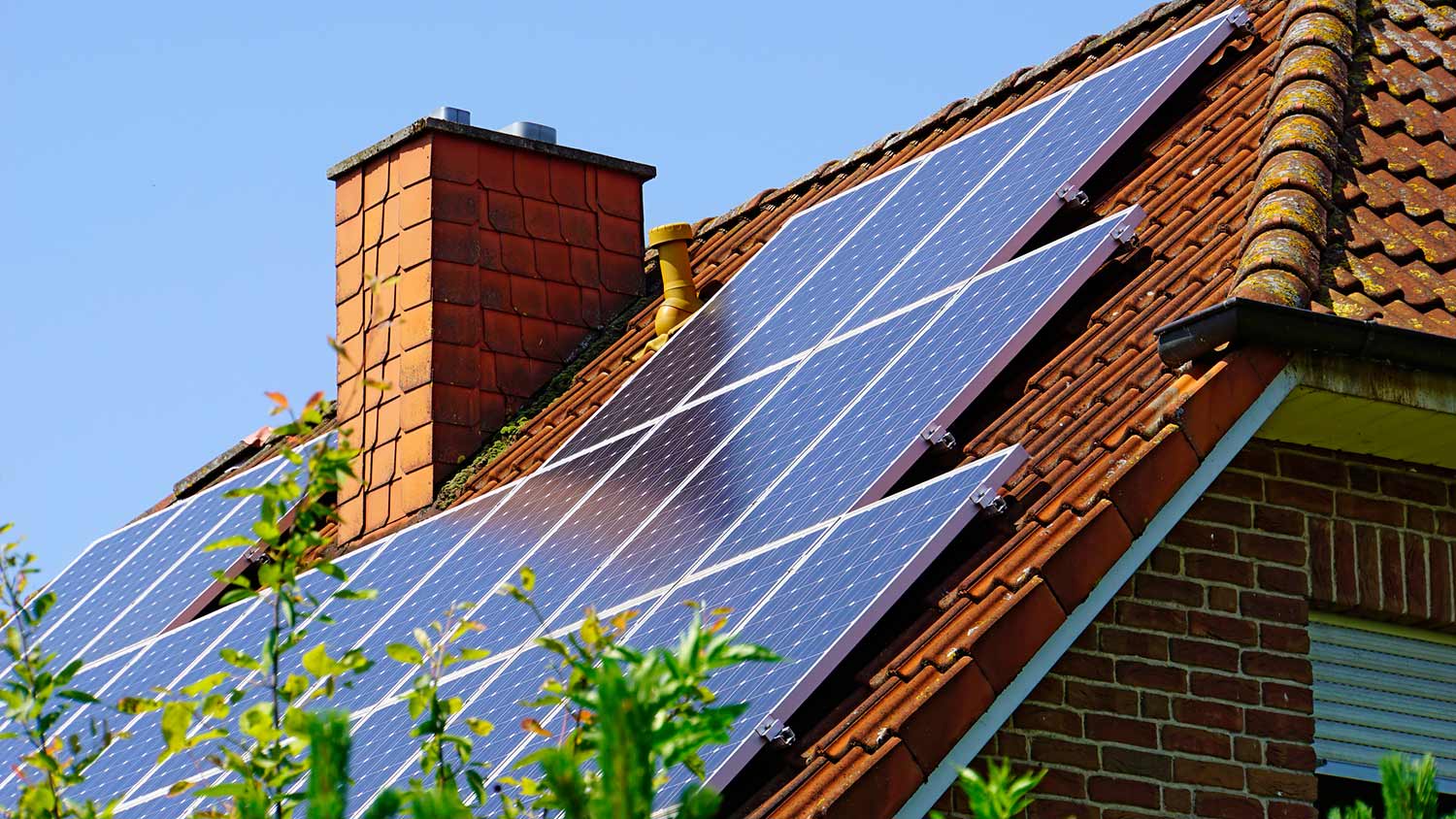
We provide residential and commercial solar power options, and provide support services for industry partner companies. We offer no cost consultations and $0 down financing. Please contact our office for a consultation at (931)922-8258.
Packages starting at just $19.99 per month. \n\nGet Dish Network offers the satellite TV & Internet bundles in the business. DISH offers HD for life, installation, Blockbuster movie rentals, HD and DVR satellite receiver upgrades and free movie channels. \n\nTake your TV to go with the DISH Sling Adapter!\n\nThe same TV you watch at home is now available on the go. All your channels, everything on your DVR - now at your fingertips. Enjoy your local news, live sports, and favorite TV shows on your computer or mobile device.\n \n$19.99 Dish smart pack is back free\n Blockbuster Home movies DVR & HD TV.
"They have been very helpful. The refrigerator we had, had a control panel that they could not replace, so they gave us options and we were able to get a new refrigerator. They have saved us a lot of money over the year. They probably saved us $5000 on an AC issue. They are very prompt at responding and have been very professional."
M8 Electric Provides Design Build services for Solar electric systems and has been the leader in Solar electric installations by a Design Build electrical Contractor since 2006.
The average homeowner needs around 22 solar panels, but the exact number depends on your monthly energy consumption. Your solar professional should size your array to offset your consumption, meaning you’ll need fewer panels if you use below-average amounts of electricity, or more than 22 if you use above-average amounts of electricity. The number of panels also depends on the output of each panel. The average is around 400 watts, but you might need more panels if you install less capable equipment. Since there are so many variables, you should have a professional size your system.
The best way to save money on solar panels is to take advantage of federal and state solar incentives. For example, the solar investment tax credit (ITC) offered by the federal government can save 30% of your total—if you can take the entire credit, which is based on income taxes owed—or an average of around $9,000. You can check the Database of State Incentives for Renewables and Efficiency (DSIRE) for state and local incentives that could save you even more.
In most states, solar installers need to be licensed and insured as solar professionals, although some states don’t have specific requirements for installers. You can use our state licensing tool to check if an installer you’re considering hiring holds the proper licensing. No matter where you live, a member of your solar panel installation company must be a certified electrician to connect your panels to your home and the electric grid.
Solar panels should get at least four to six hours of direct sunlight daily. It’s even better if sunlight reaches panels between the peak hours of 10 a.m. and 3 p.m. This is enough to power a home, depending on your solar system’s size and energy needs. Remember that panels will generate some power under cloudy skies or in the shade, and many systems compensate for lower sun exposure by drawing energy from the grid or battery storage.
Solar roofing shingles may qualify for significant federal tax incentives through programs like the Residential Clean Energy Credit, which offers up to 30% of installation costs through 2032. State and local governments often provide additional credits, and utility companies may offer further rebates or net metering programs, depending on the state. Just look into the qualification requirements beforehand because installation, documentation, and technical standards can impact eligibility. Consult the current guidelines and a tax professional to maximize available benefits.
The Raymond, MN homeowners’ guide to solar panel services
From average costs to expert advice, get all the answers you need to get your job done.
Find out how much it costs to remove solar panels, including average prices, key cost factors, and tips to save money on your solar panel removal project.
Discover solar panel maintenance costs, including average prices, cost factors, and tips to save, empowering you to keep your solar system running efficiently.
There are three types of solar panels: monocrystalline, polycrystalline, and thin-film. Before choosing one for your home, here are the pros and cons of each.
If you’re making the switch to solar energy, you’ll want to know the difference between solar panels versus solar shingles. Here are the pros and cons of each.