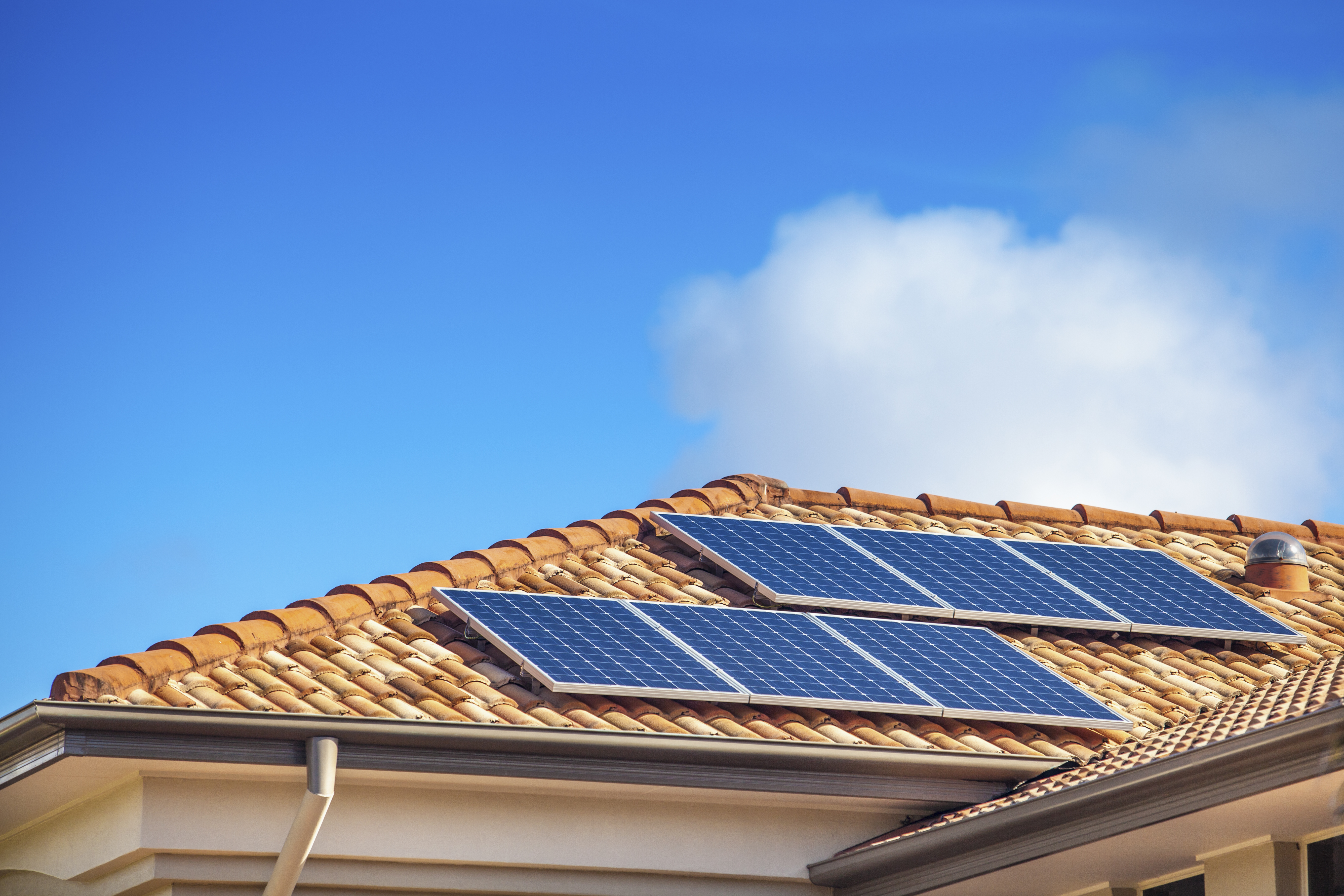
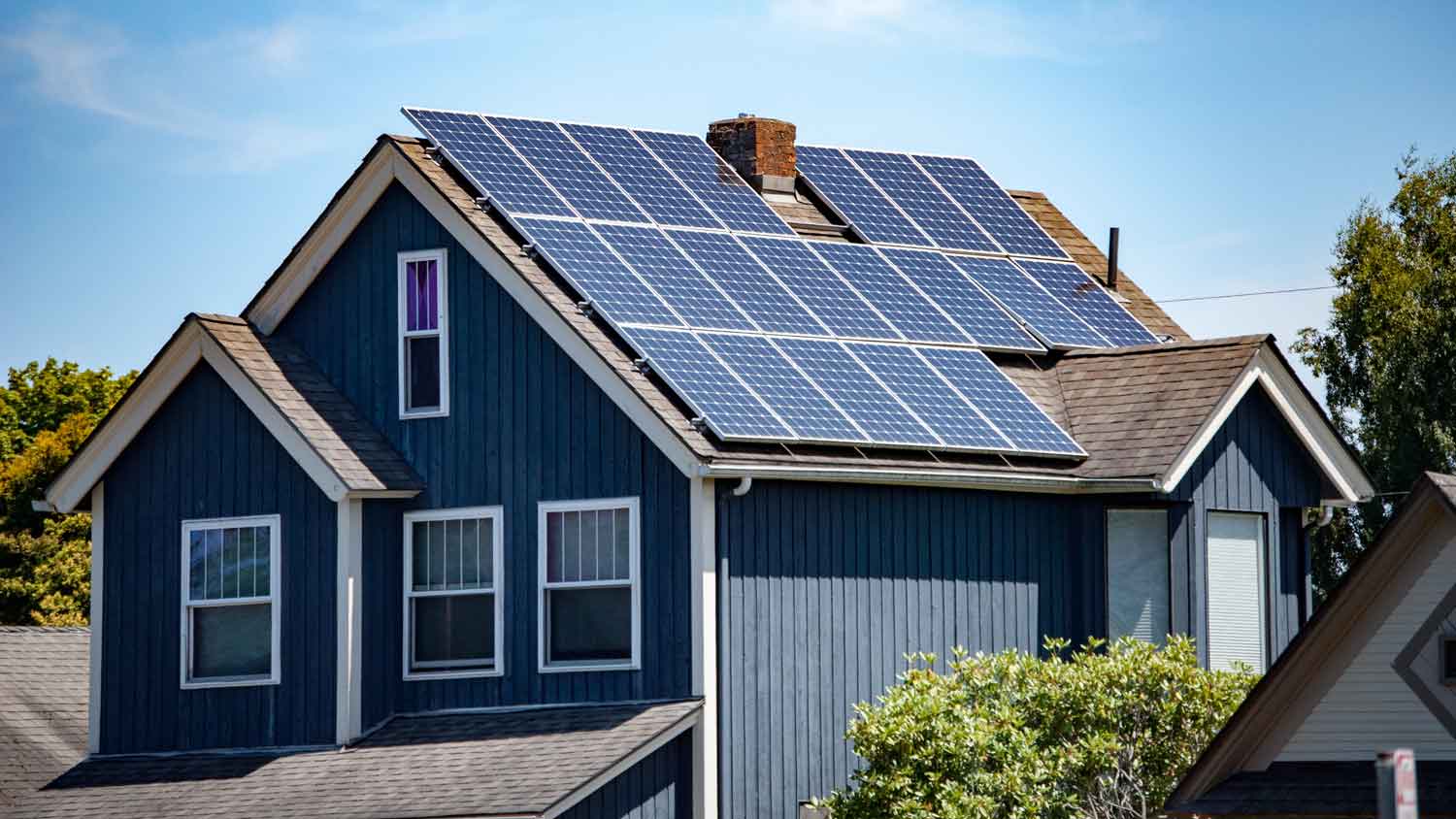
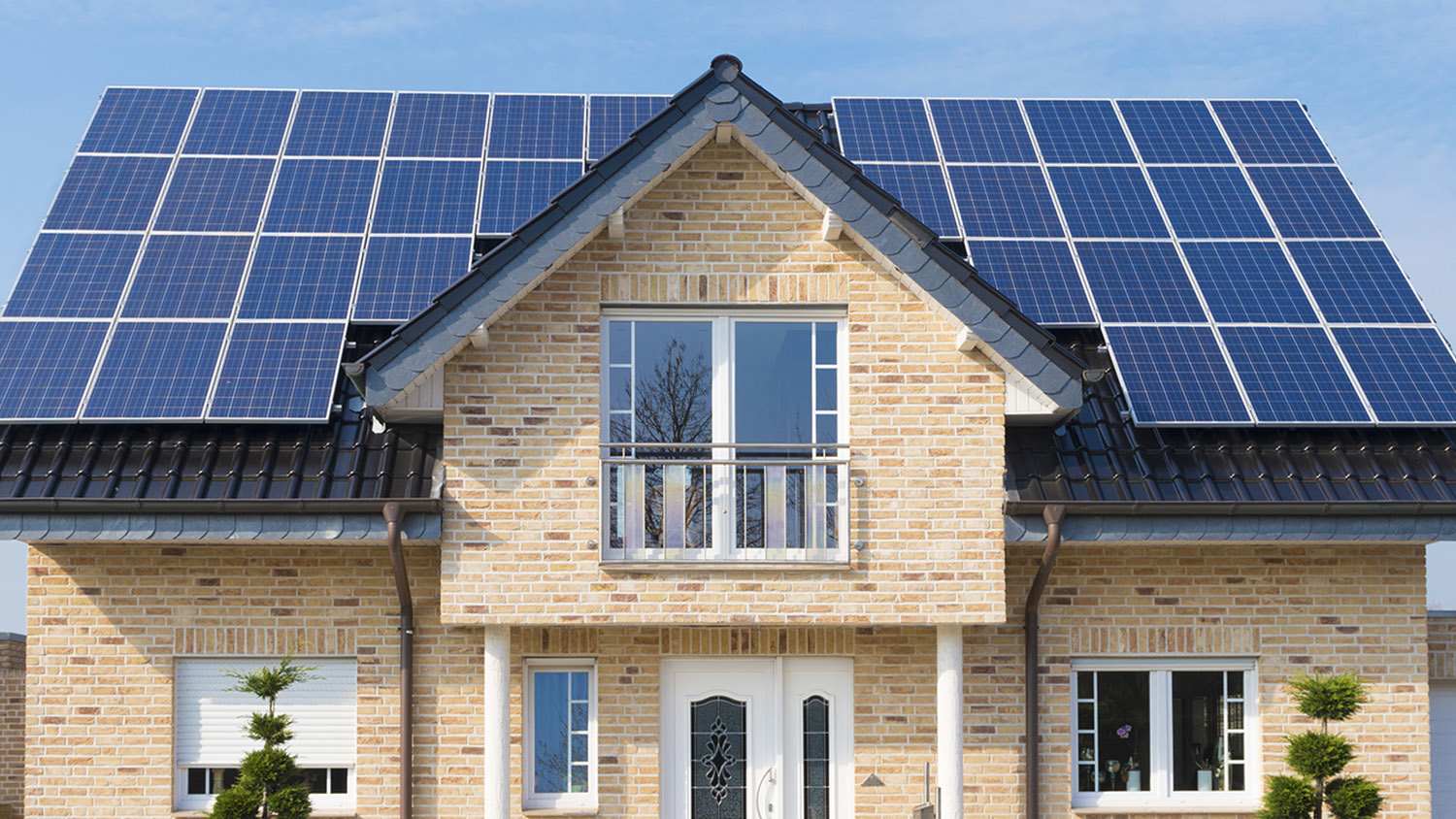
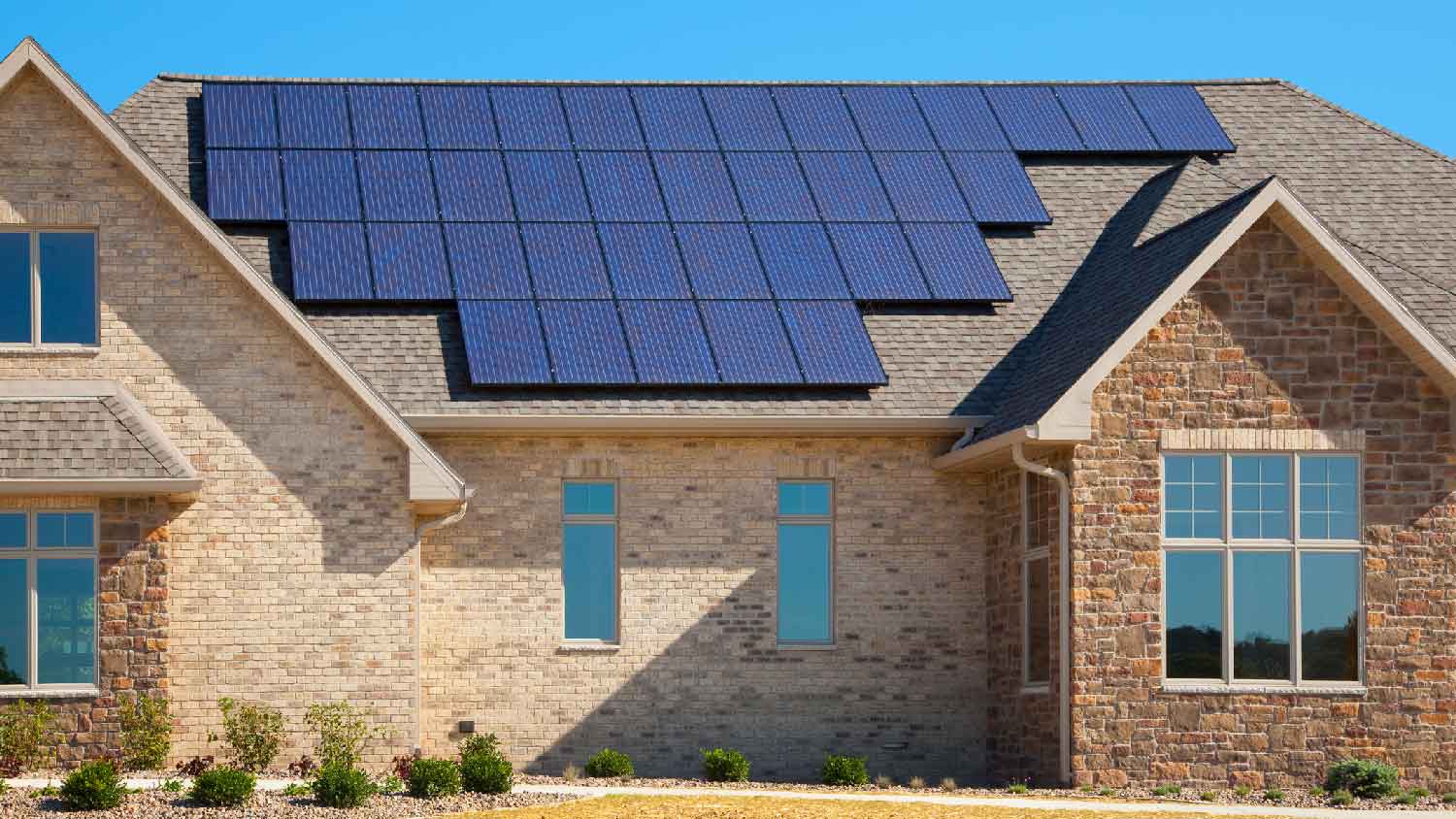
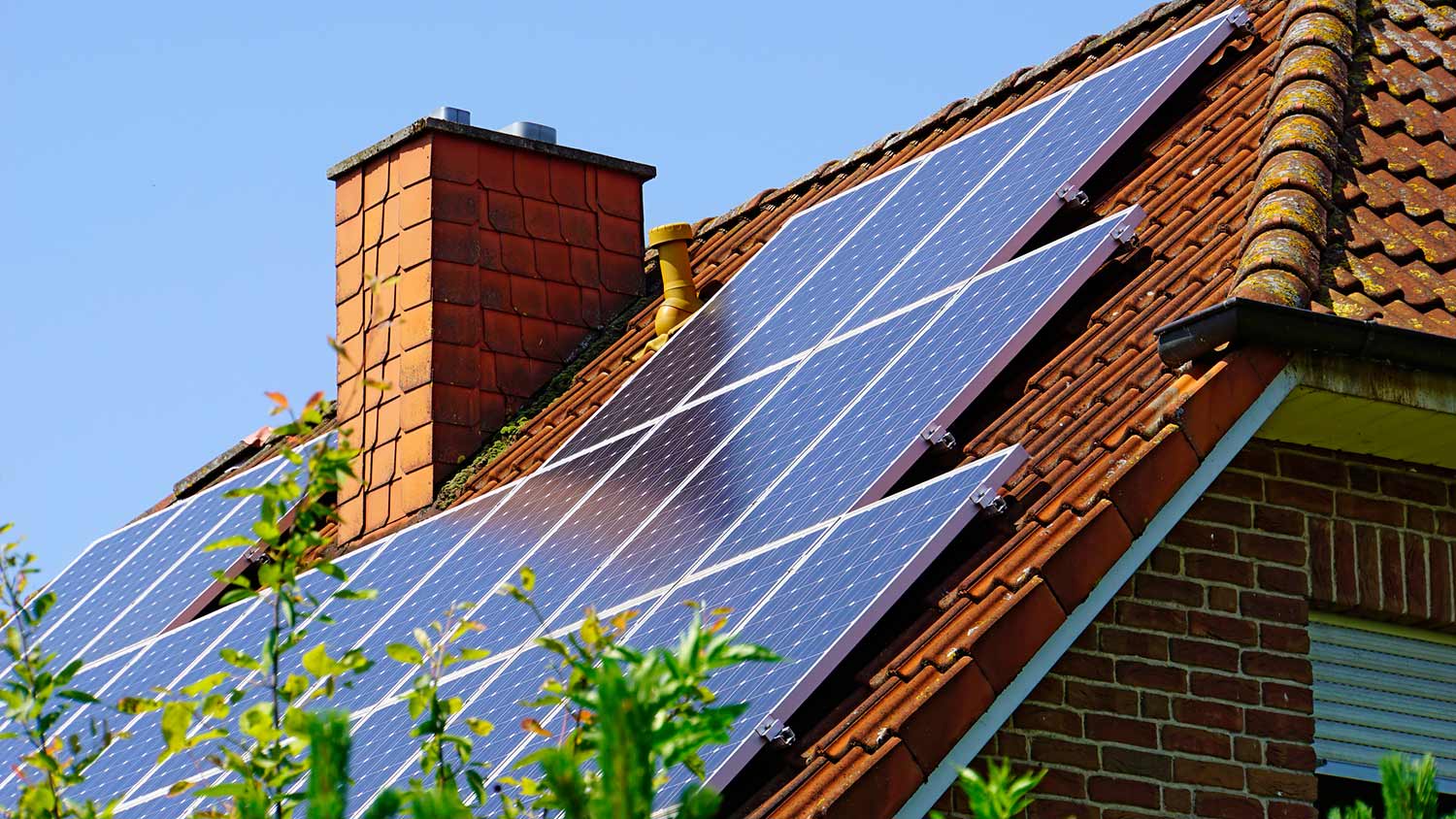
We provide residential and commercial solar power options, and provide support services for industry partner companies. We offer no cost consultations and $0 down financing. Please contact our office for a consultation at (931)922-8258.
Packages starting at just $19.99 per month. \n\nGet Dish Network offers the satellite TV & Internet bundles in the business. DISH offers HD for life, installation, Blockbuster movie rentals, HD and DVR satellite receiver upgrades and free movie channels. \n\nTake your TV to go with the DISH Sling Adapter!\n\nThe same TV you watch at home is now available on the go. All your channels, everything on your DVR - now at your fingertips. Enjoy your local news, live sports, and favorite TV shows on your computer or mobile device.\n \n$19.99 Dish smart pack is back free\n Blockbuster Home movies DVR & HD TV.
"They have been very helpful. The refrigerator we had, had a control panel that they could not replace, so they gave us options and we were able to get a new refrigerator. They have saved us a lot of money over the year. They probably saved us $5000 on an AC issue. They are very prompt at responding and have been very professional."
You shouldn’t hook up a solar panel directly to a battery. That can damage the solar battery and your appliances over time. Instead, install a charge controller between your solar panel and solar battery. Charge controllers regulate voltage, prevent overcharging, and minimize the amount of electrical current to protect your battery from voltage spikes.
Solar batteries can be a great investment to help maximize your solar savings and make your system and home more valuable, but they’re most beneficial to customers who don’t have access to net metering. If your state or energy provider doesn’t provide net metering, batteries can be a great way to offset consumption even when your panels aren’t producing power. They also come with the added benefit of providing electricity through blackouts, so they’re valuable in areas prone to severe weather that could cause frequent blackouts. Your installer can help you decide if batteries are worthwhile.
The average cost to install solar panels is around $27,000, with most homeowners paying between $4,500 and $54,000. These prices don’t consider the federal investment tax credit (ITC), which can reduce costs by up to 30%. The final price depends on several factors, including the size of the system needed to offset your energy consumption, the amount of sunlight your home receives, your geographical location, the type and brand of panels, labor costs, and any add-on products like solar batteries or electric vehicle (EV) chargers. It is recommended to get price quotes from at least three solar companies in your area to find the best deal.
The actual time it takes to construct the solar farm is relatively short, taking between 2 and 4 months on average. That timeline is dependent on site conditions, crew size, and the overall size of the solar farm.
However, the time it takes to get the ball rolling is significantly longer, ranging from 3 to 5 years. With a project of this scale, you’ll need to obtain all of the proper permits and approvals to start breaking ground, and depending on your location, that could be an extended process.
If you’re deciding between a solar battery versus a generator for the best backup power solution, you can take a few factors into consideration. Solar batteries are quiet while generators can be quite loud. Generators have a lower up-front cost, but they require fuel and ongoing maintenance while solar batteries are more expensive but don’t have many ongoing costs.
The Montevideo, MN homeowners’ guide to solar panel services
From average costs to expert advice, get all the answers you need to get your job done.
Find out how much it costs to remove solar panels, including average prices, key cost factors, and tips to save money on your solar panel removal project.
Discover solar panel maintenance costs, including average prices, cost factors, and tips to save, empowering you to keep your solar system running efficiently.
There are three types of solar panels: monocrystalline, polycrystalline, and thin-film. Before choosing one for your home, here are the pros and cons of each.
If you’re making the switch to solar energy, you’ll want to know the difference between solar panels versus solar shingles. Here are the pros and cons of each.