





PH Excavating
Water Feature - Install a Pond
Serving Perham, MN and surrounding areas
In business since 2005
Free estimates
Credit card accepted
"He is a man of his word."
Response time3 hrs
Recommended by100%of homeowners

*The Angi rating for Aquarium Service companies in Perham, MN is a rating based on verified reviews from our community of homeowners who have used these pros to meet their Aquarium Service needs.
*The HomeAdvisor rating for Aquarium Service companies in Perham, MN is a rating based on verified reviews from our community of homeowners who have used these pros to meet their Aquarium Service needs.
Last update on September 15, 2026
Serving Perham, MN and surrounding areas
In business since 2005
Free estimates
Credit card accepted
"He is a man of his word."
Serving Perham, MN and surrounding areas
In business since 2017
Free estimates
Credit card accepted
Apex offers installation of all landscaping and hardscaping materials, creating planters and gardens and also interiorscaping. Installations start off with specialty 3D designs to allow you to fall in love with your project before it starts. We design to enhance the way people interact with the spaces they spend the most time in. My inspiration comes from the leading industry trends, matched with traditional themes in order to create the most pristine landscapes. My designs imbue beauty, flexibility and purpose, and I always maintain my client's vision at every step of the process. Check out our general list of services in the tabs above or contact me to learn more about Apex Exterior's revolutionary designs by scheduling a free quote.
From average costs to expert advice, get all the answers you need to get your job done.

Discover mosquito control service cost estimates, including average prices, key cost factors, and tips to save on professional mosquito treatments for your home.

If you’re moving, you need to consider distance, weight, packing, and more. Our guide provides the average cost to move a 3-bedroom house long distance.
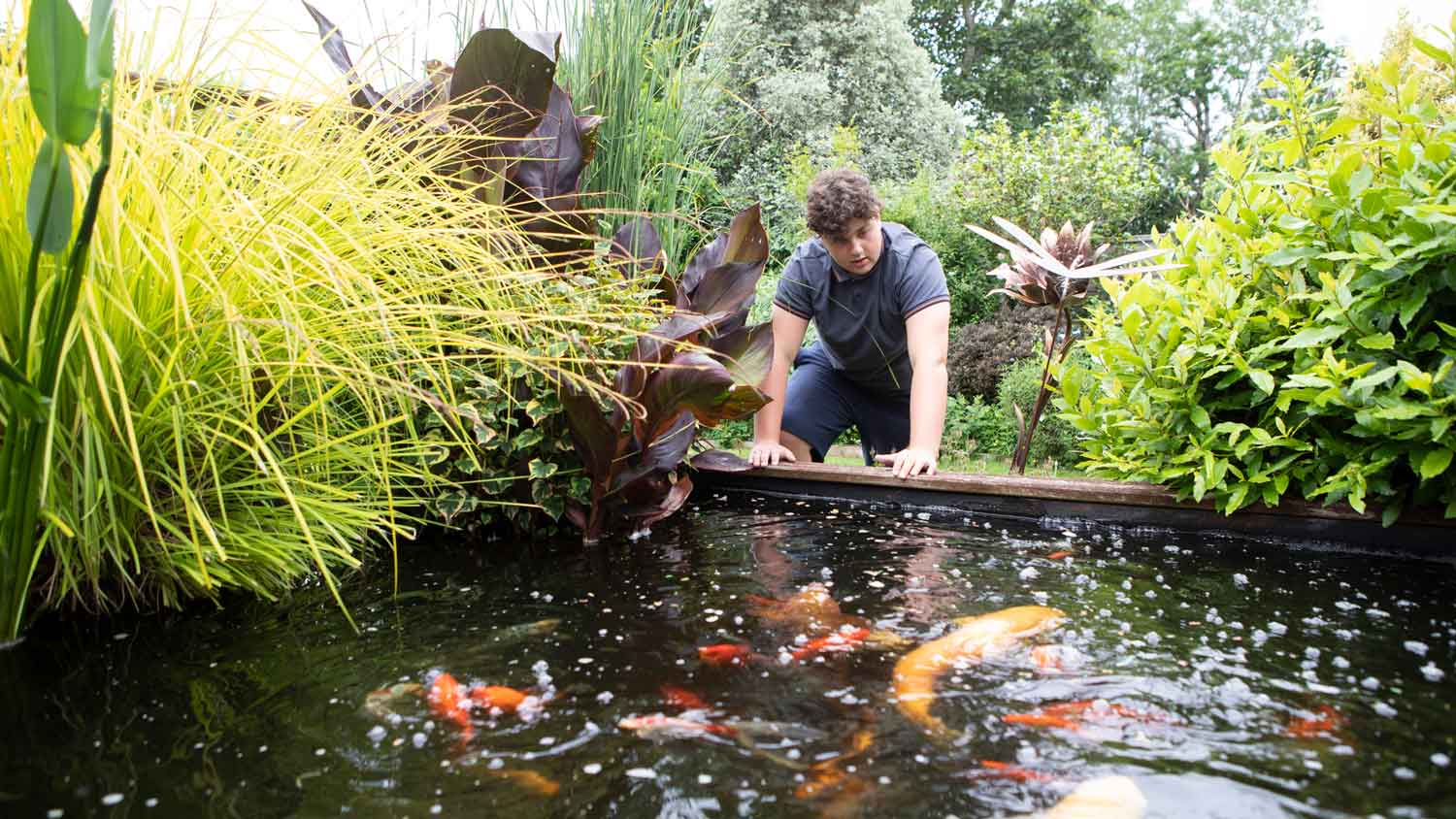
Discover how much it costs to stock a pond, including average prices, key cost factors, and tips to help homeowners plan their pond stocking project.
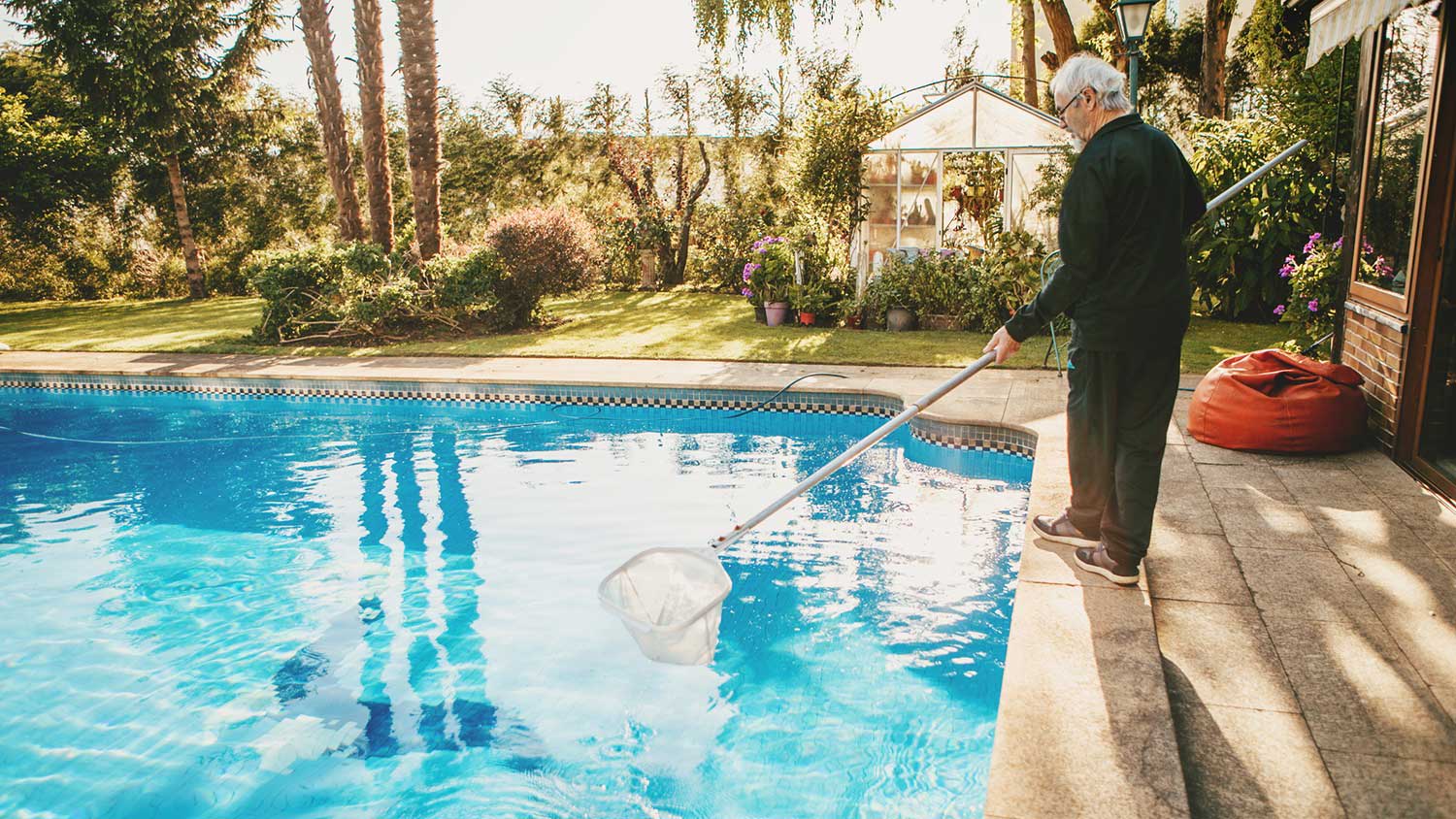
If you live in an area without very cold winters but tempted to close your pool during the cooler months, read on. We dive into the many benefits of winter service.

Learn about home items that are nearly impossible to move without movers, either because they are awkwardly shaped, too heavy, or require special equipment.
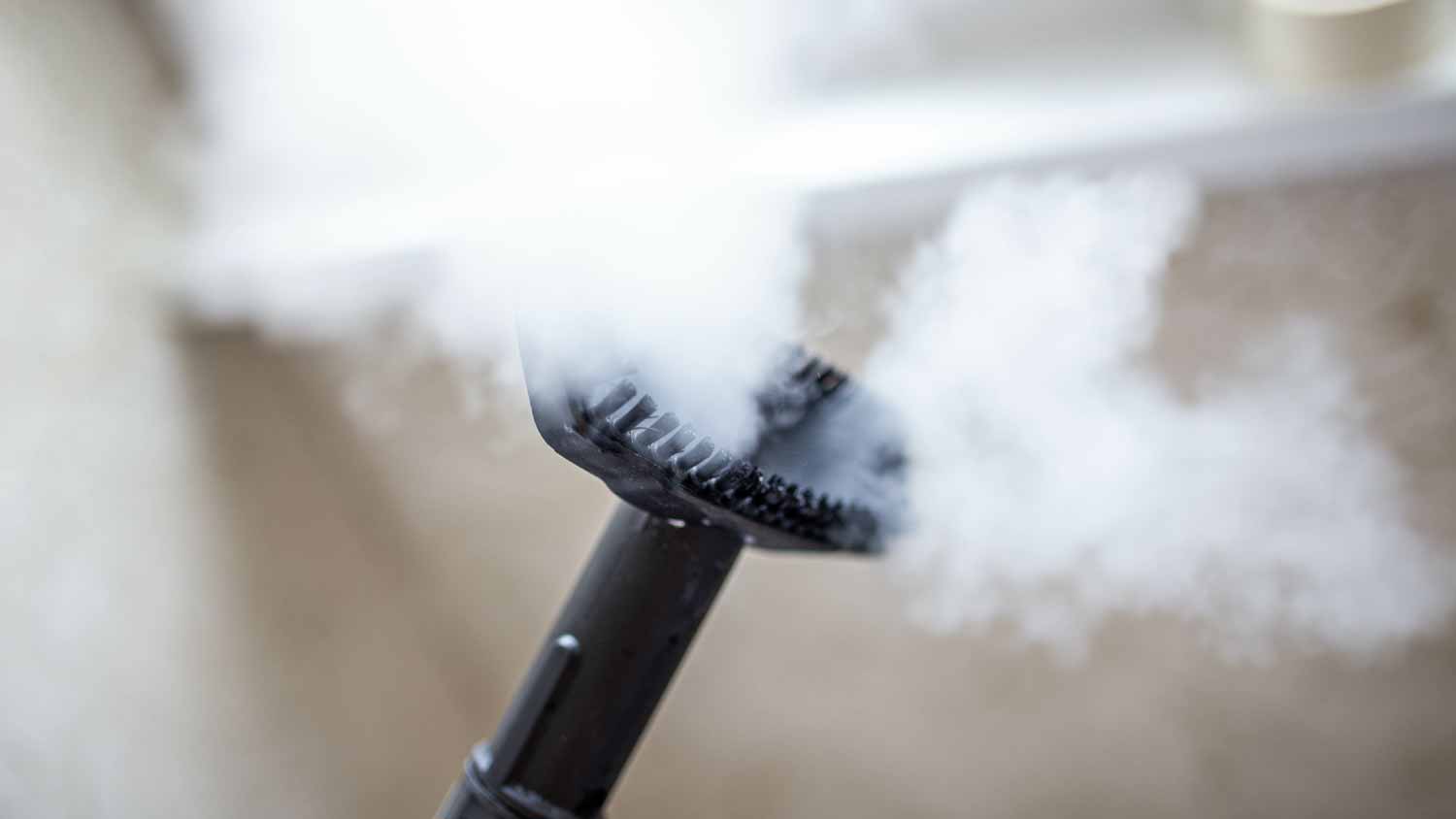
Steam cleaning makes your floors feel spotless without harsh chemicals. However, certain areas benefit from steam more than others. Here’s what you can clean with a steam cleaner.