Since 1932, Presto-X (formerly Anderson Pest Solutions) has been providing expert pest control services guided by the enduring principles of providing world class service to our customers and taking care of our colleagues. Presto-X covers your home or business with expert knowledge, professionally licensed and trained technicians, and exemplary service designed specifically for you.
Animal removal specialists specialize in removing critters and wildlife from in and around your home. These include:
Bats
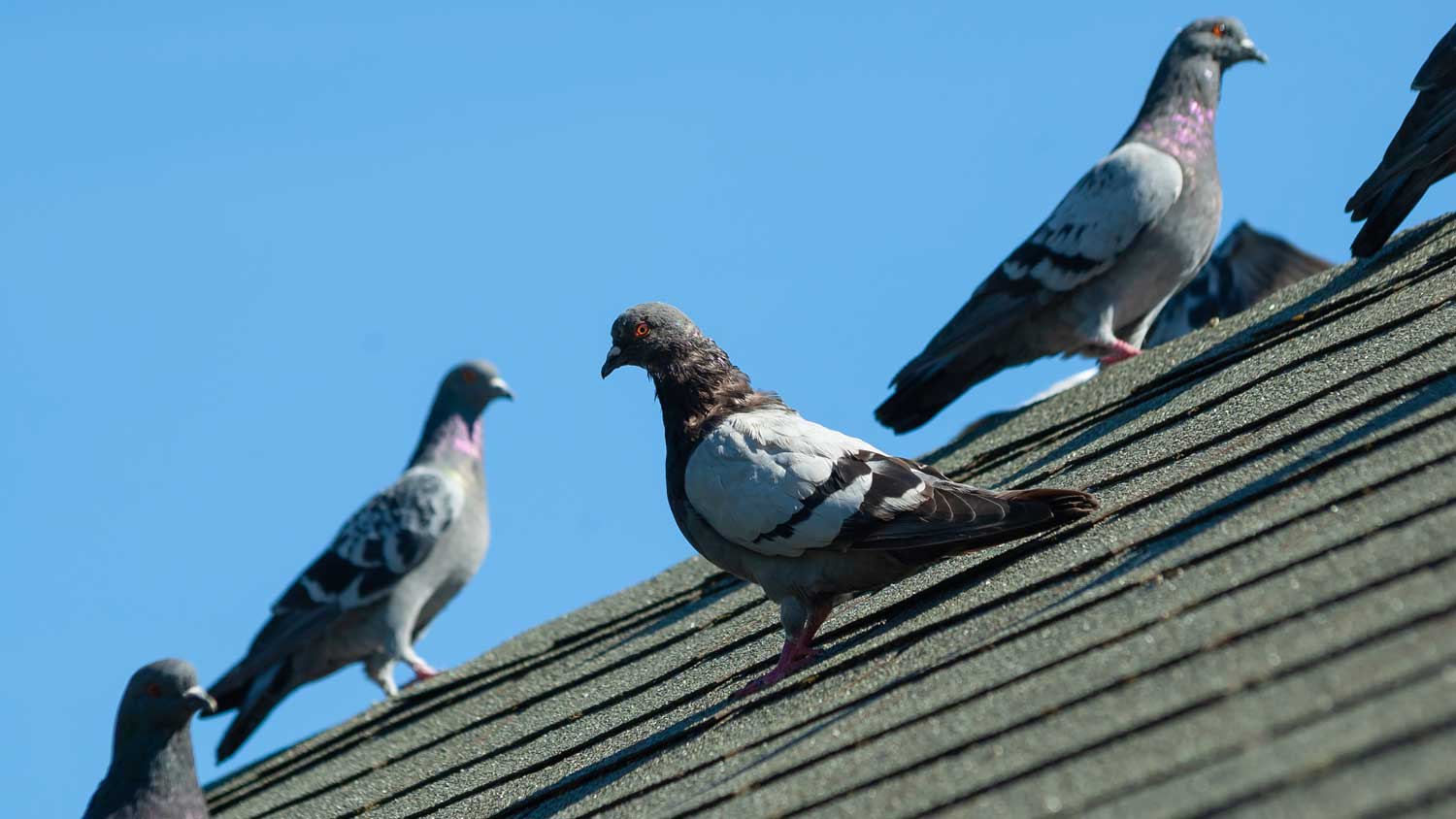
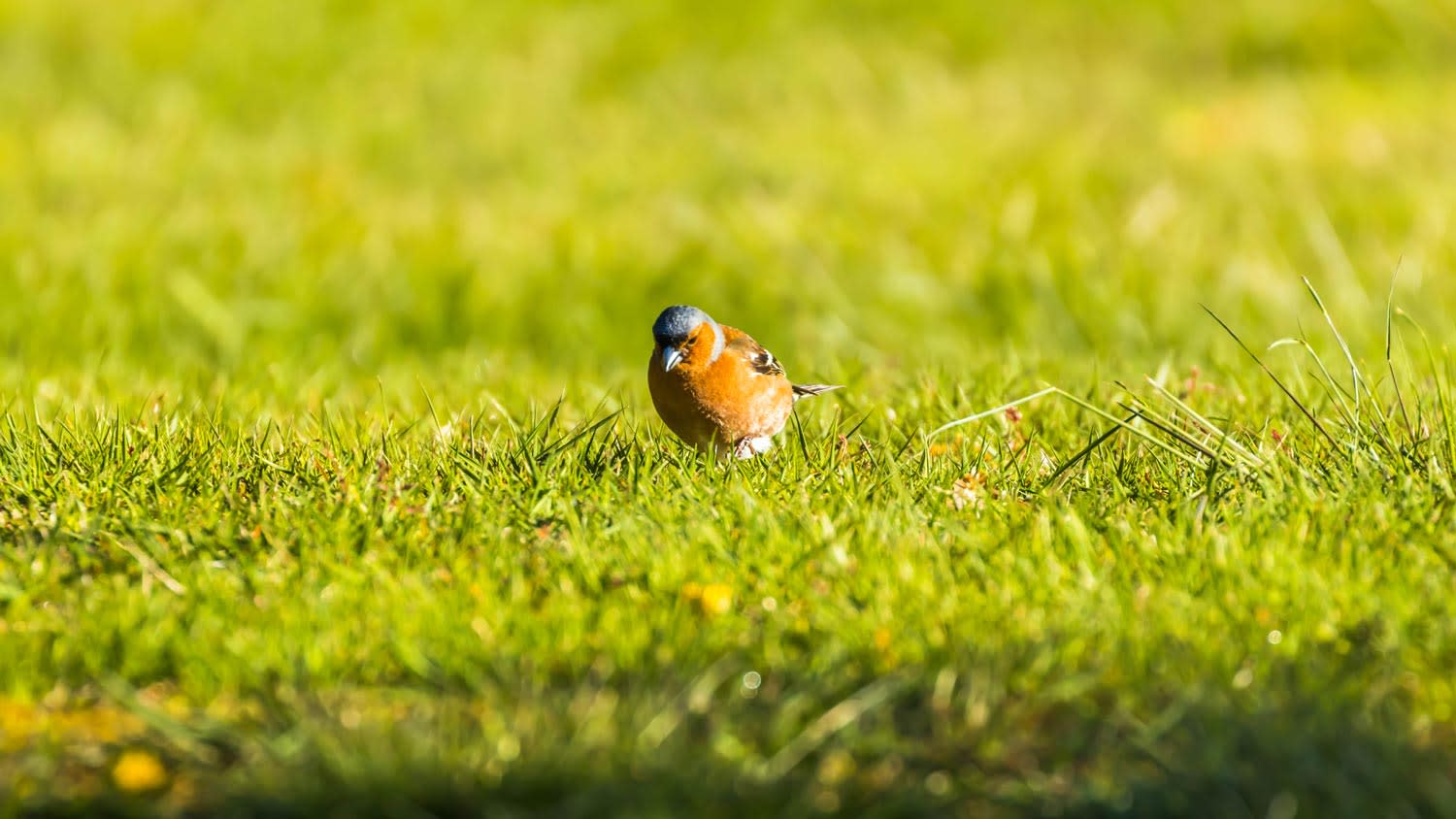
Birds
Groundhogs
Moles and voles
Opossums
Mice and rats
Raccoons
Skunks
Squirrels
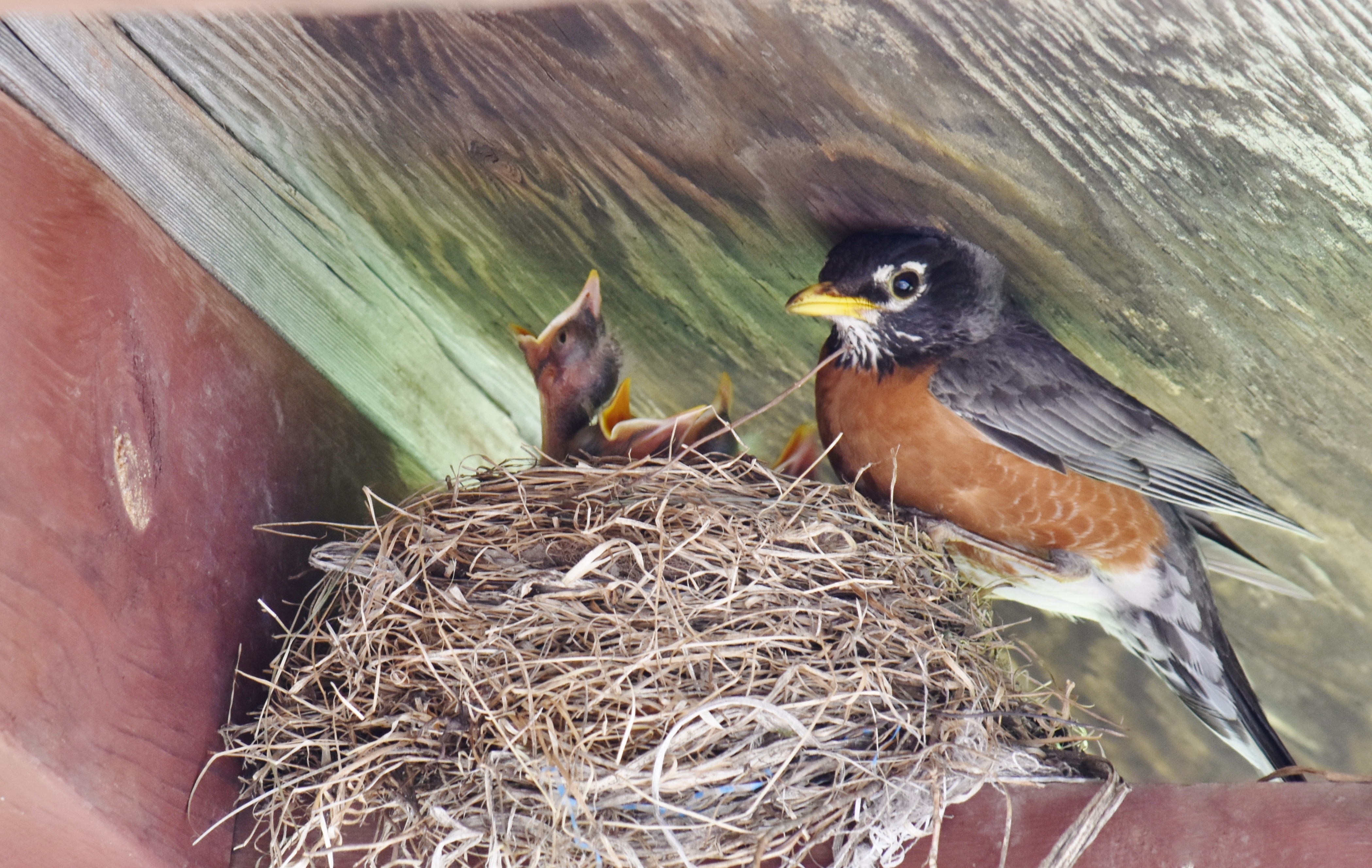
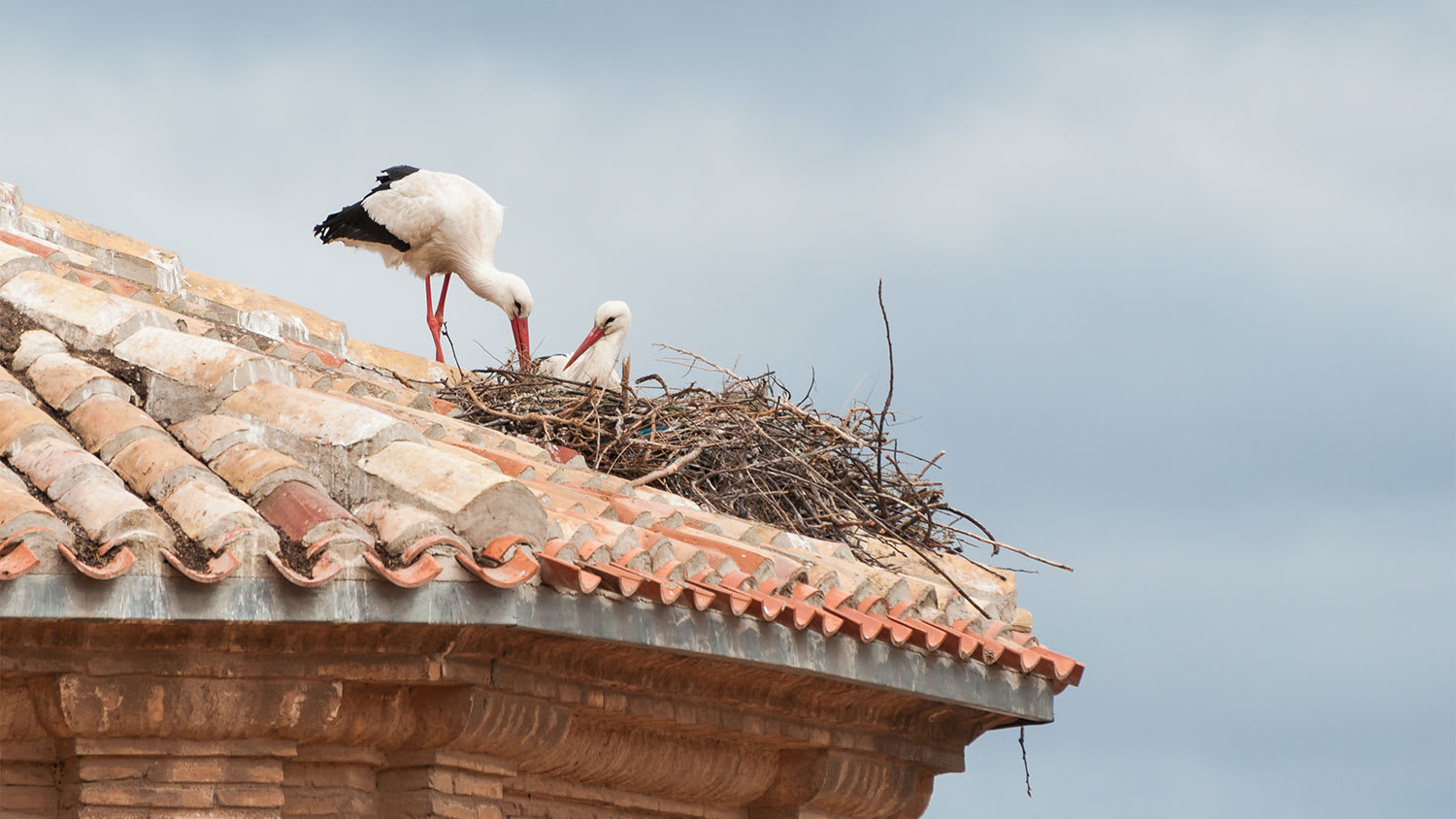
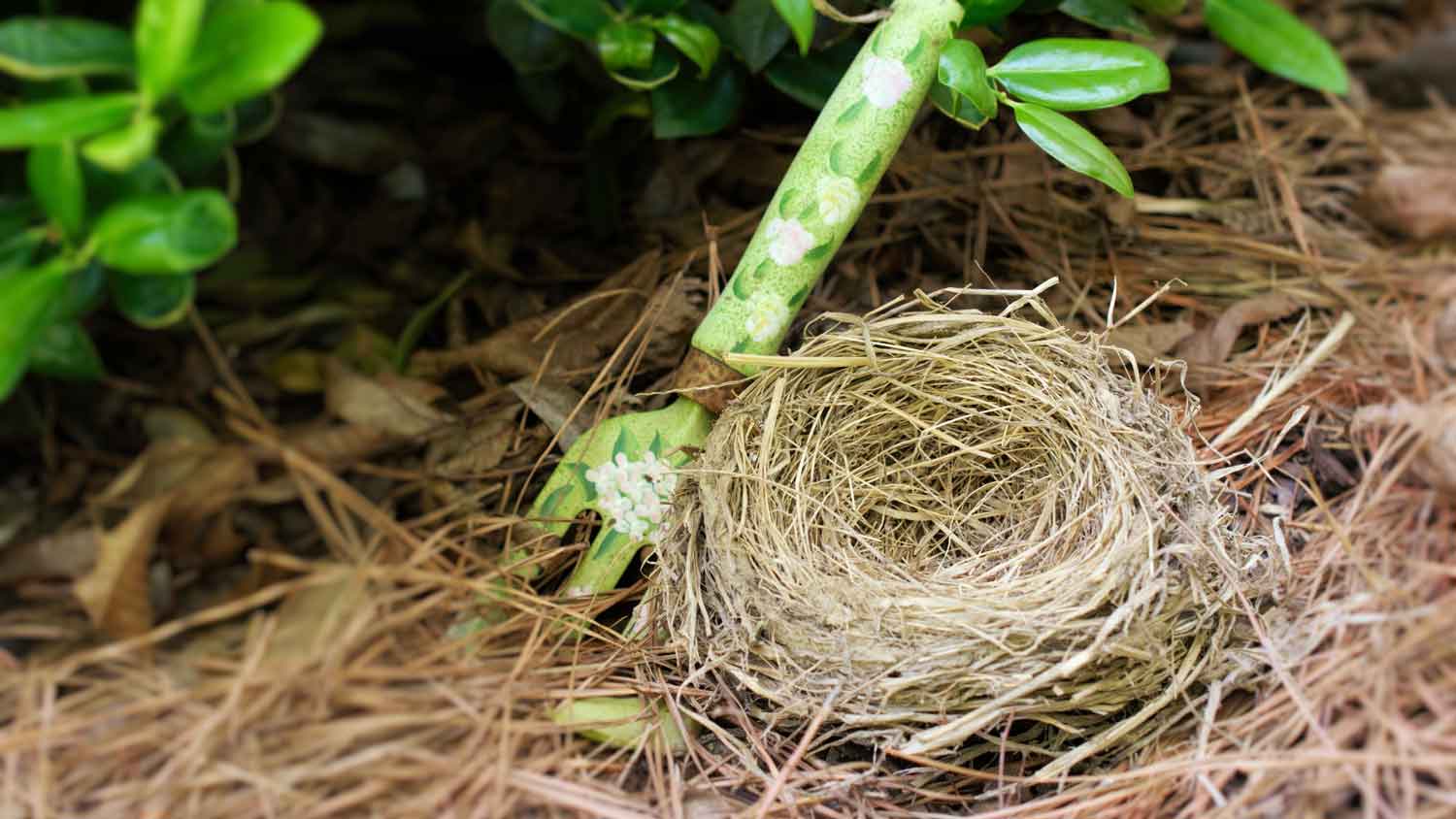
The specialist's method to remove these critters will depend on the animal. For example, groundhogs will be live-trapped and relocated, whereas, for birds, the expert will remove and discard the inactive nest and sanitize the area.
Set live traps or install a one-way door to evict squirrels, rodents, and other animals from your attic. Once they’re out, seal any entry points to prevent the animals from returning. If you’re dealing with an infestation, call a pro.
Yes, bats can cause quite a bit of damage to the attic. Their weight and movement from flying around can damage insulation, and they can chew through wiring and the walls. As if this isn’t enough, they leave their droppings throughout, which carry harmful bacteria and is dangerous for humans to breathe in, not to mention the extremely foul-smelling odor.
Once the animals and their young are out of the house, remove the nest and locate any entry points. Some may be difficult to find because some animals can fit through very small holes. Once you’ve located as many entry points as possible, use materials such as metal or masonry to block off the entry. Ideally, you should choose materials that most animals cannot chew through. Create a one-way door or flap to allow animals to leave but not return. Additional methods include using repellants designed to make an area unappealing to the types of animals that find your home so inviting.
Pest control measures for bird and bat issues typically last from several weeks to months, depending on the effectiveness of the implemented solutions and the return of conducive conditions.
The Littlefork, MN homeowners’ guide to bird control services
From average costs to expert advice, get all the answers you need to get your job done.
Sometimes birds nest in unwelcome places. Find out how much bird nest removal will cost based on factors like location, bird species, and preventative measures.