









When pests show up, so do we.\n\nFor nearly a century, Terminix® has been one of America's most trusted names in pest control. Every day, our exterminators serve thousands of homes and businesses nationwide, combining national service with local knowledge to provide best-in-class, proactive pest management solutions. We stop problems before they start and respond quickly if issues arise, keeping your property protected.\n\nAnd for extra peace of mind, if pests come back, so do we‐guaranteed.\n\nThe Terminix It Guarantee means that if pests come back, so do we to re-treat at no additional cost. No excuses, just a commitment to care for your home like it's our own with protection you can trust.3
Since 1932, Presto-X (formerly Anderson Pest Solutions) has been providing expert pest control services guided by the enduring principles of providing world class service to our customers and taking care of our colleagues. Presto-X covers your home or business with expert knowledge, professionally licensed and trained technicians, and exemplary service designed specifically for you.
Using audio and visual methods to discourage birds might work initially, but birds tend to acclimate to them over time. While chemical deterrents can show some effectiveness, their results can be inconsistent. Some may dissipate too quickly, and there's a risk they might cause unintended damage to your surroundings. Additionally, birds might become immune or resistant to the impact of such treatments.
High-frequency bird repellent devices are effective at driving away birds, which is their intended purpose. However, these devices also tend to have unintended negative consequences. For example, if you or your neighbors own pets, the high-pitched noise emitted by these electronic devices will cause them distress and may even make them aggressive.
Some birds of prey, like owls, hunt at night. Hawks are diurnal and need good light to see their prey. You could see them circling anytime from dawn to dusk. Species like the common red-tailed hawk are most active in the early morning and late evening when their prey is also typically on the go.
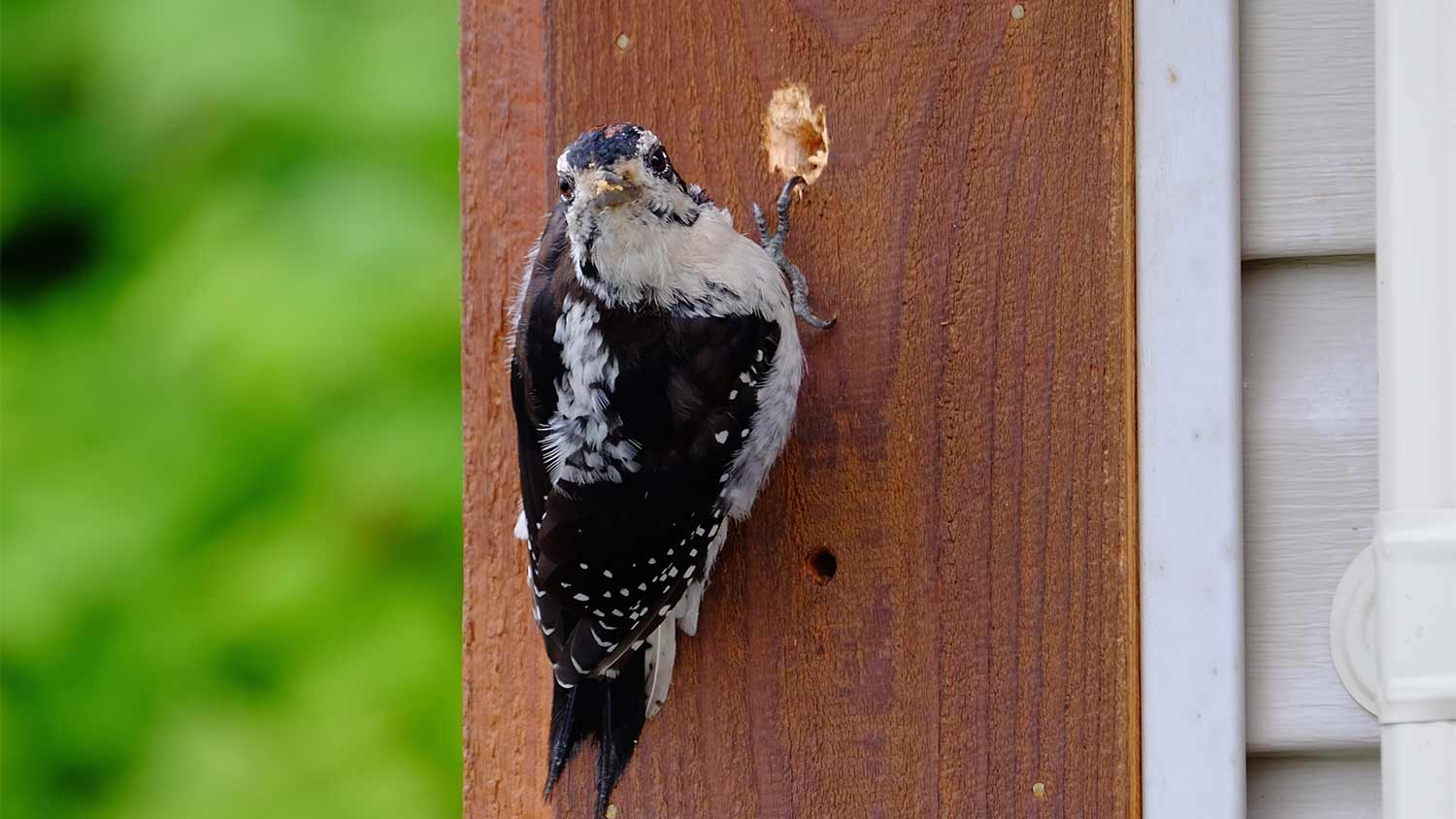
When woodpeckers start banging on your walls or roof, they are probably looking for insects to eat, storing nuts for winter, drilling a hole to make a nest, or communicating with other birds to establish territory or find a mate.
The size of the hole can help determine the reason for the pecking. Small irregular holes are a result of insect hunts. Acorn holes are more consistently sized and often fitted with a nut in the middle. Nest holes are large and have rounded edges. If the bird is pecking to mark its territory or attract a mate, it may leave dents rather than holes, and the noise will stop when the mating season starts in spring.
Woodpeckers usually feed on homes when there is a food source present, and termites are one possible source. However, the presence of woodpeckers doesn’t necessarily mean there are termites. They may also be feeding on more harmless insects like ants or spiders. If woodpeckers seem drawn to one particular part of your home’s siding, it might be worth hiring a termite inspector to check for the presence of these pesky critters.
The Mountain Iron, MN homeowners’ guide to bird control services
From average costs to expert advice, get all the answers you need to get your job done.
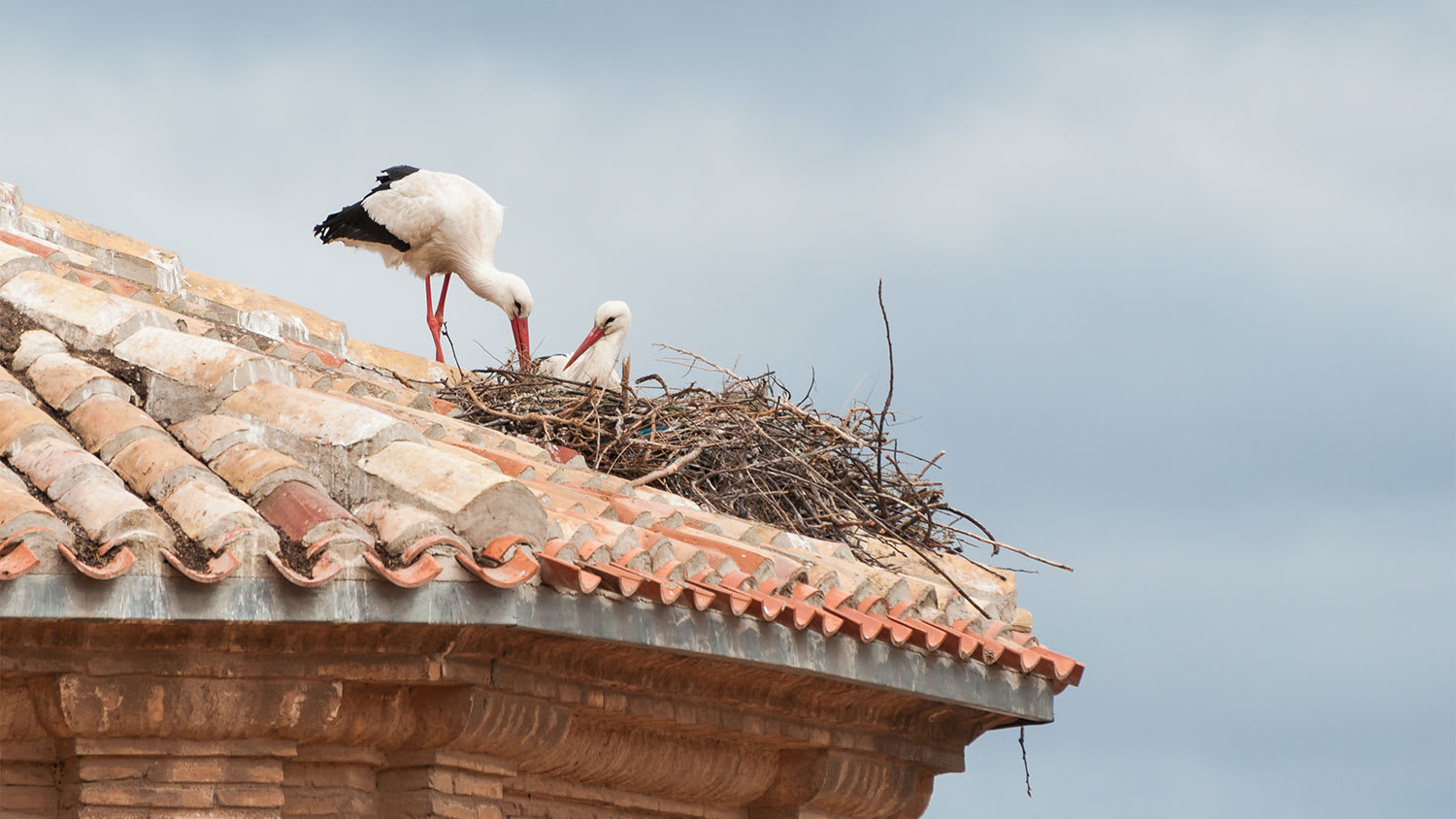
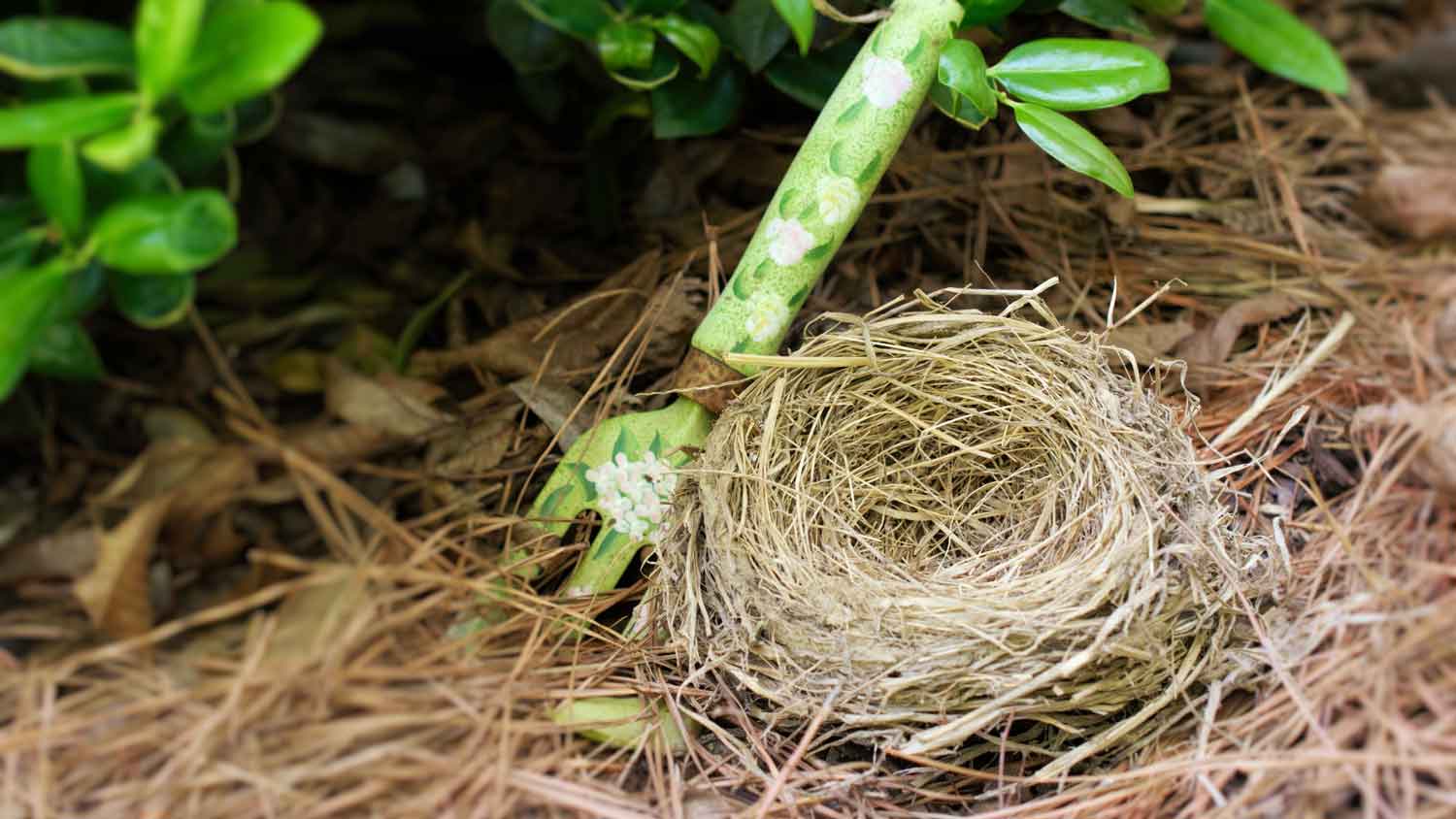
Sometimes birds nest in unwelcome places. Find out how much bird nest removal will cost based on factors like location, bird species, and preventative measures.