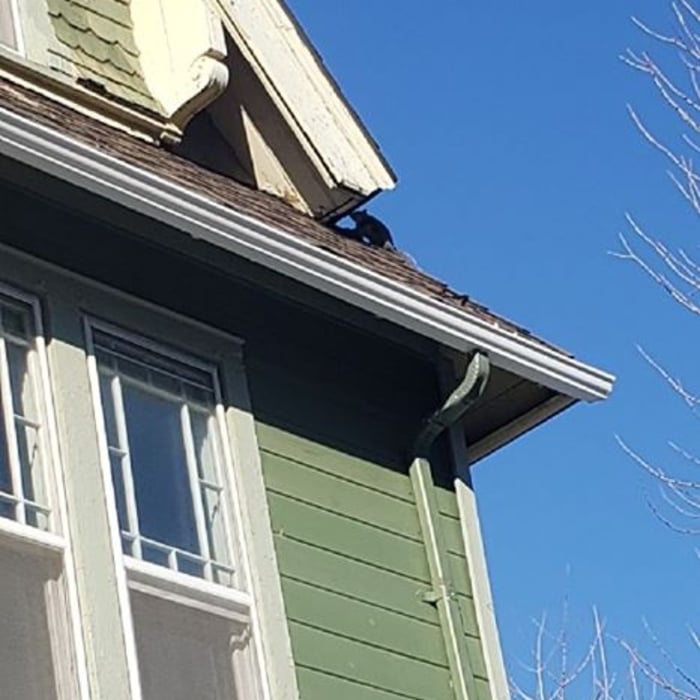
"I loved that they were willing to be careful with the baby squirrels they found in what I thought was a giant sparrow nest. Did a good careful job screening off my roof brackets. And very very friendly."
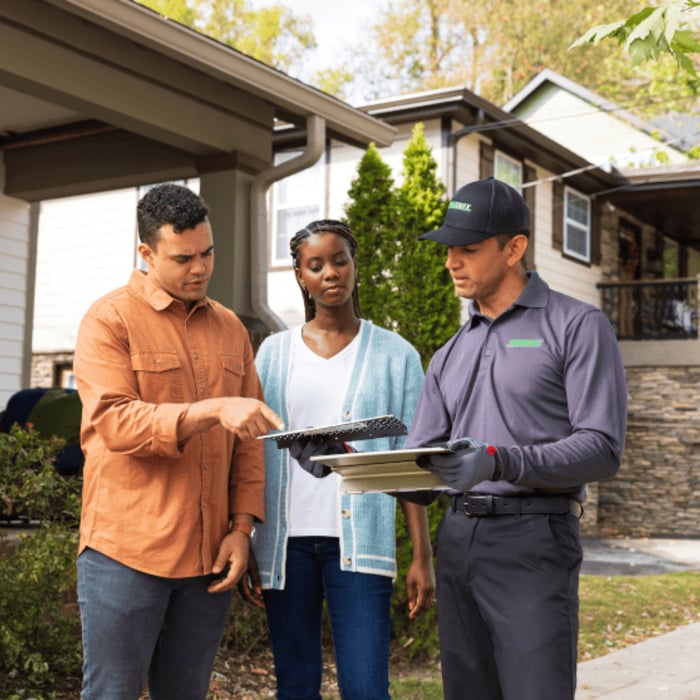
"Came quite quickly (under 2 hours) and got the bird out of my basement. They also performed an inspection to see how the bird got in and provided a free estimate for some other services they could perform. I was not pressured at all to do those other services."
When pests show up, so do we.\n\nFor nearly a century, Terminix® has been one of America's most trusted names in pest control. Every day, our exterminators serve thousands of homes and businesses nationwide, combining national service with local knowledge to provide best-in-class, proactive pest management solutions. We stop problems before they start and respond quickly if issues arise, keeping your property protected.\n\nAnd for extra peace of mind, if pests come back, so do we — guaranteed.\n\nThe Terminix It Guarantee means that if pests come back, so do we, to re-treat at no additional cost. No excuses, just a commitment to care for your home like it's our own with protection you can trust.
"Francis Animal and Pest Control was quick to respond to our request through Home Advisor. We had a quote within minutes and they were able to set an appointment for 2 business days later. The technician, Robb, was very friendly, professional, knowledgeable and thorough and we would definitely contact this business again, if needed!"
Since 1932, Presto-X (formerly Anderson Pest Solutions) has been providing expert pest control services guided by the enduring principles of providing world class service to our customers and taking care of our colleagues. Presto-X covers your home or business with expert knowledge, professionally licensed and trained technicians, and exemplary service designed specifically for you.
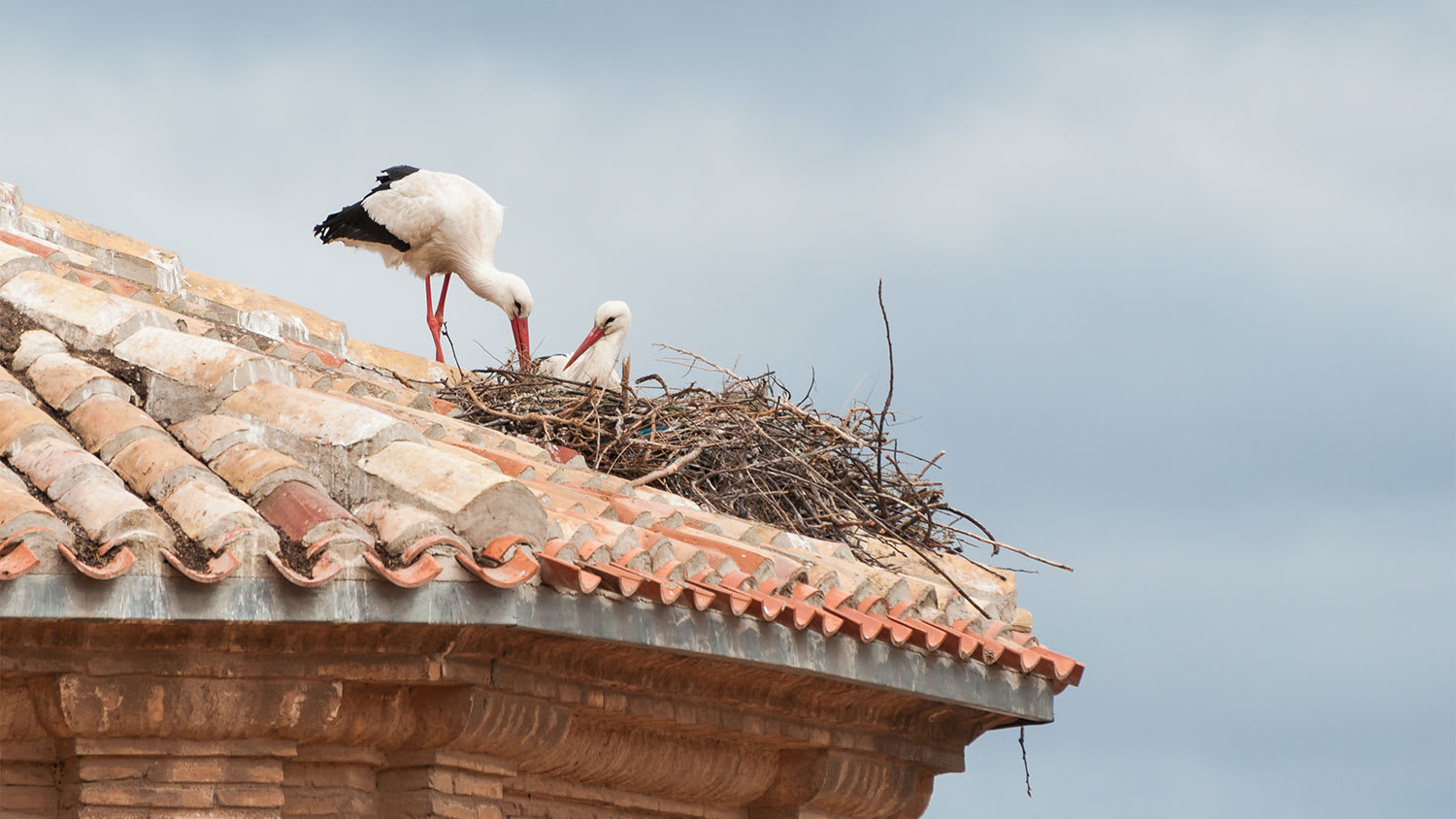
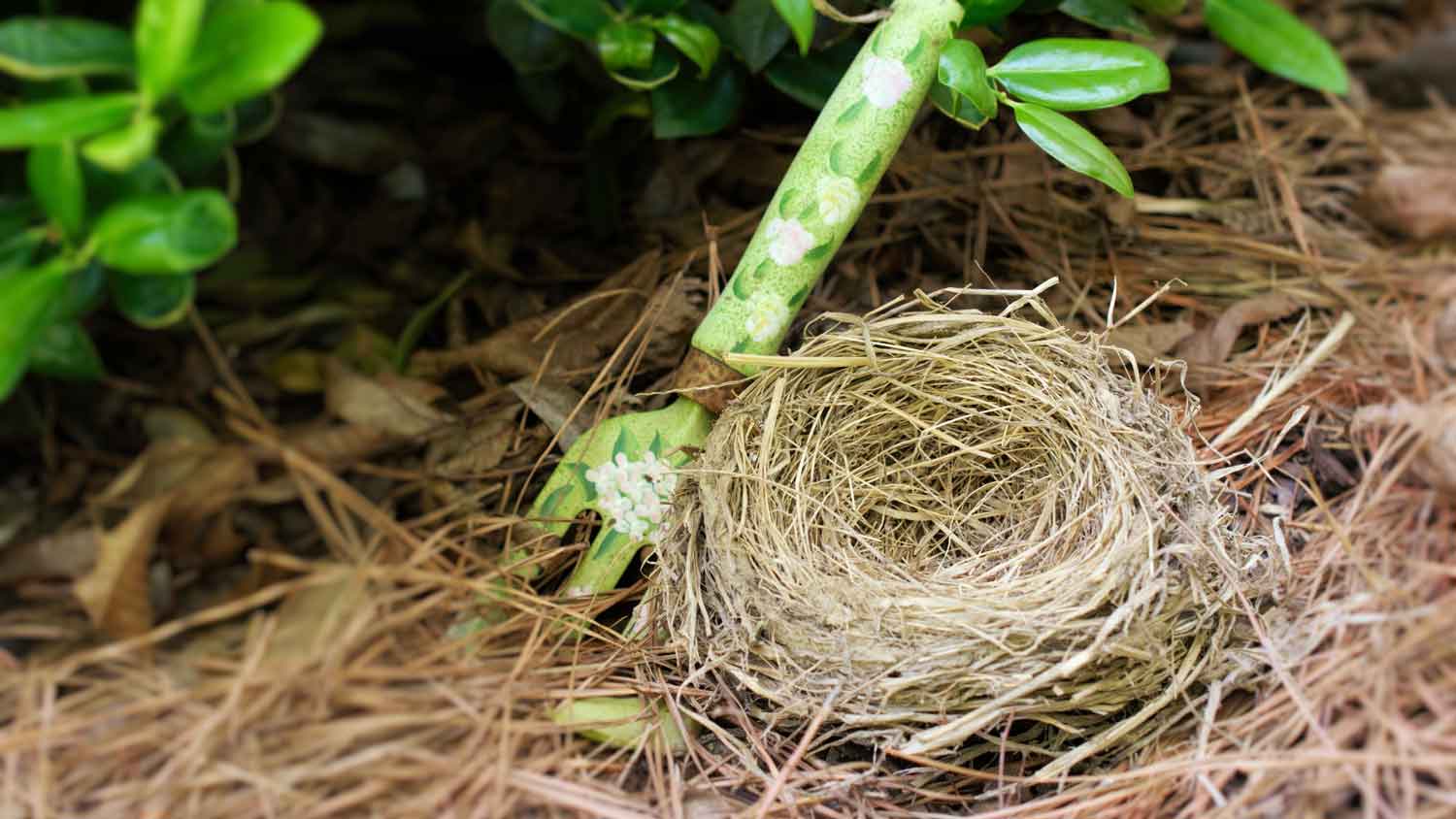
Metal coil-shaped retriever tools (around $50) help remove empty nests and debris from chimneys. Unless you are sure the nest is vacant, we recommend calling in a pro to handle bird’s nest removal from chimneys, vents, roofs, and other hard-to-reach places.
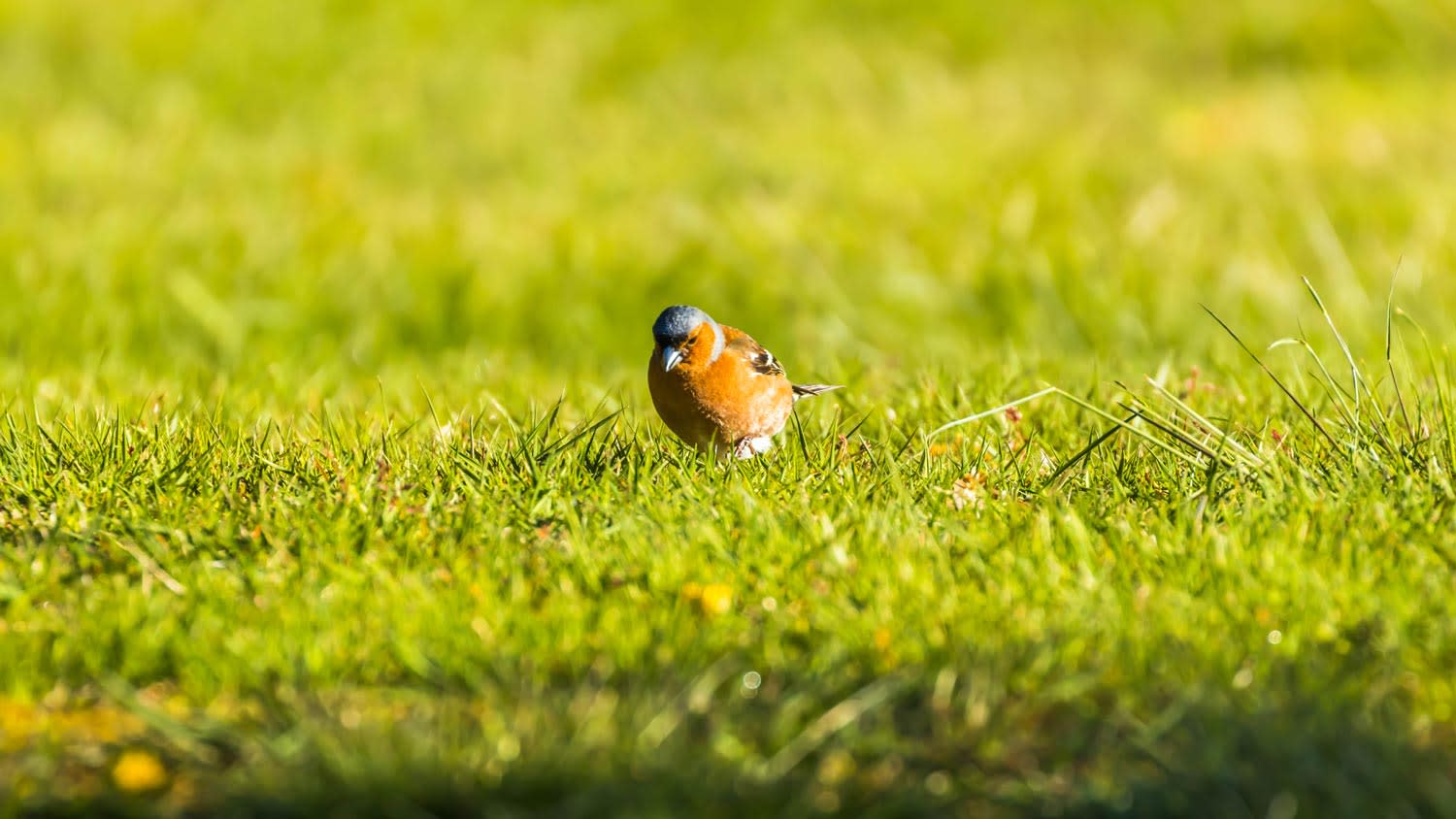
Birds eat grass seed for one simple reason—it’s delicious! The seeds are rich in nutrients such as carbohydrates, proteins, and fats. Seeds are also high in energy, so humans eat trail mix loaded with seeds and nuts for long-distance activities. Grass seed, when unprotected, is also exceptionally easy to access.
Costs depend on infestation severity, business size, treatment type, and frequency of service.
No single deterrent will work 100 percent of the time, so we suggest combining deterrents to ensure your seed has the best possible chance to grow. Using bird netting over your seed, with physical deterrents like mylar tape coupled with hanging bird feeders at the edges of your growing area—and removing any bird’s nests, if possible—will give your seeds the best possible chance for success.
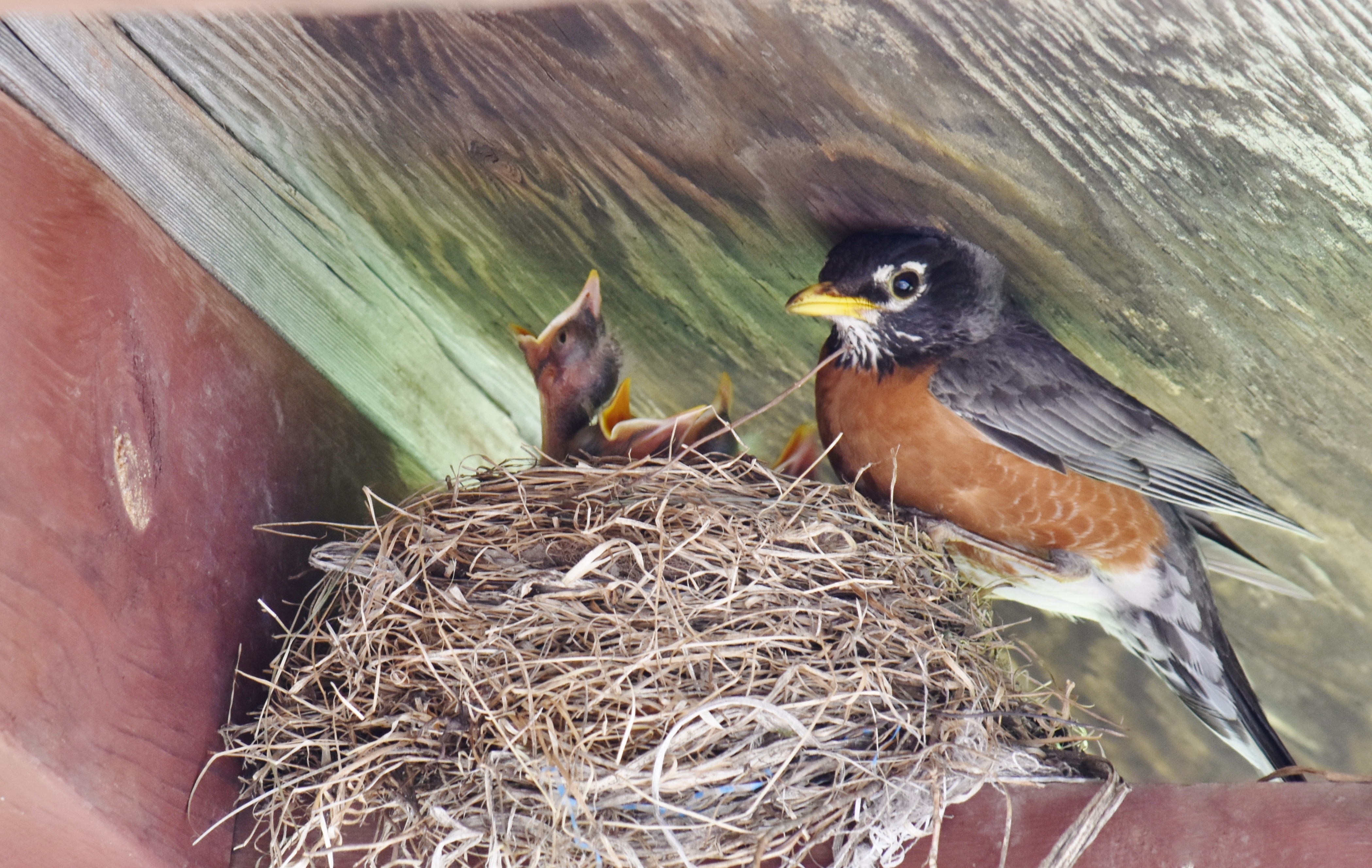
While not common, bird’s nests can cause problems to your property in some cases.
Block vents for your dryer, stove, and fans, creating a fire hazard
Clog gutters and drains, leading to roof and siding damage
Damage solar panels
Wiring issues if the nest is on or near a light fixture
The Lake Elmo, MN homeowners’ guide to bird control services
From average costs to expert advice, get all the answers you need to get your job done.
Sometimes birds nest in unwelcome places. Find out how much bird nest removal will cost based on factors like location, bird species, and preventative measures.