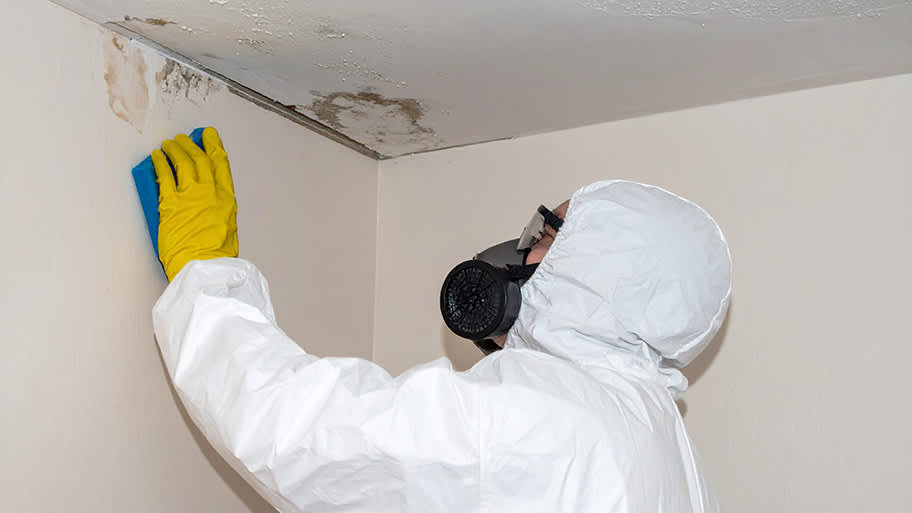




Top-rated mold testing and remediation specialists.

Best mold testing and remediation specialists near Kellogg, MN

Enter your zip and get matched with up to 5 pros

Need a pro for your mold testing and remediation project in Kellogg, MN?

Select your specific project to find the pro for you.

Top-Rated Mold testing and remediation specialists in Kellogg - Updated Nov 2026

Avatar for EnviroBate
EnviroBate
4.6(
115
)
Dry-rot, Water or Pest Damage - Major RepairIndoor Air Quality TestingMold & Toxic Material Test+3 more

Serving Kellogg, MN and surrounding areas

In business since 1989

Free estimates

Emergency services offered

"I called Jeff to get his thoughts on some asbestos duct insulation in the basement of a house we were making an offer on. He was out with an appointment, but called back ASAP and asked for all the details, then walked me through what he would do in my situation. Incredibly, even though his livelihood is asbestos mitigation, he recommended I leave it alone (he said since there was so little asbestos, and the insulation tape was in good enough shape, it'd actually be worse to try and remove it). He was extremely courteous and knowledgeable, and even though his advice meant that I wouldn't be hiring him, he has my recommendation for anyone who actually DOES have an asbestos problem.
"
Eric Hjort, Project Manager for Home Services
Recommended by97%of homeowners
Avatar for American Home Shield – Home Warranty
American Home Shield – Home Warranty
3.5(
5,689
)
Dry-rot, Water or Pest Damage - Major Repair

Serving Kellogg, MN and surrounding areas

In business since 1971

Credit card accepted

"The technician did an excellent job. It did take a while to get the repair finished, but that was due to Bertazzoni delivering the parts. I have had multiple problems with this particular appliance. My range now works better than it did when new, but I have a feeling that even if I have continuing problems with it, American Home Shield will just repair rather than replace due to the cost of the range. By the way, I'm not exactly sure of the date of the repair."
Additional Photos
Additional Photos
Additional Photos
Additional Photos
Additional Photos

+2

Recommended by65%of homeowners
Showing 1-10 of 15
Mold Testing and Remediation FAQs, answered by experts

Mold and other fungi love moisture, so the best way to prevent mold growth after water damage is to remove as much moisture as possible. First, find the source of the water or moisture, such as a leak or clogged gutters, and correct the problem. Next, remove standing water, vacuum up puddles with a shop vacuum, and run blower fans and dehumidifiers for 24 to 72 hours. Once you've removed all traces of moisture, disinfect the area using either vinegar or bleach to kill any remaining mold spores.

PVC is not considered a hazardous waste in most areas, but regulations vary by location. If in doubt, you should contact your local sanitation department to confirm. The Center for Biological Diversity (CBD) has been working to get PVC classified as hazardous waste, so it’s possible that it will be considered as such in the near future. If it is, disposing of PVC will require the use of a hazardous waste disposal facility or transporter in your area.

It is not advisable to stay in a house with black mold. Exposure to black mold, or any mold, can lead to health problems, especially for vulnerable individuals such as children, the elderly, or those with weakened immune systems. Black mold produces mycotoxins, which can cause respiratory issues, skin irritation, fatigue, and headaches. If black mold is detected, it is crucial to evacuate the premises, seek professional help for remediation, and only return once the area is thoroughly cleaned and confirmed mold-free by experts.

Bathroom mold tends to reappear due to the persistent presence of moisture and humidity, creating the ideal conditions for its growth. Since bathrooms are inherently humid environments, without proper ventilation, moisture accumulates on surfaces, providing a continuous food source for mold spores. Mold spores are present in the air and settle on damp surfaces to start growing rapidly. Additionally, if the underlying causes of mold, such as plumbing leaks or inadequate sealing, are not addressed, mold will return even after removal. To avoid recurring issues, addressing the root cause by improving ventilation, fixing leaks, and maintaining a dry bathroom environment through regular cleaning and maintenance is essential.

The primary difference is that black mold (Stachybotrys chartarum) is considered toxic and more dangerous than regular mold. It can produce harmful chemicals called mycotoxins, which may lead to severe health issues like respiratory problems, skin irritation, headaches, and other long-term complications. While regular mold is rarely toxic, it can still cause allergic reactions and respiratory irritation. Visually, black mold often appears dark—green, gray, brown, or black—with a fuzzy texture, whereas regular mold can be almost any color. Black mold is less common and typically grows in areas with severe water damage. Regardless of the type, you should not ignore any mold infestation in your home.

The Kellogg, MN homeowners’ guide to mold testing and remediation services

From average costs to expert advice, get all the answers you need to get your job done.