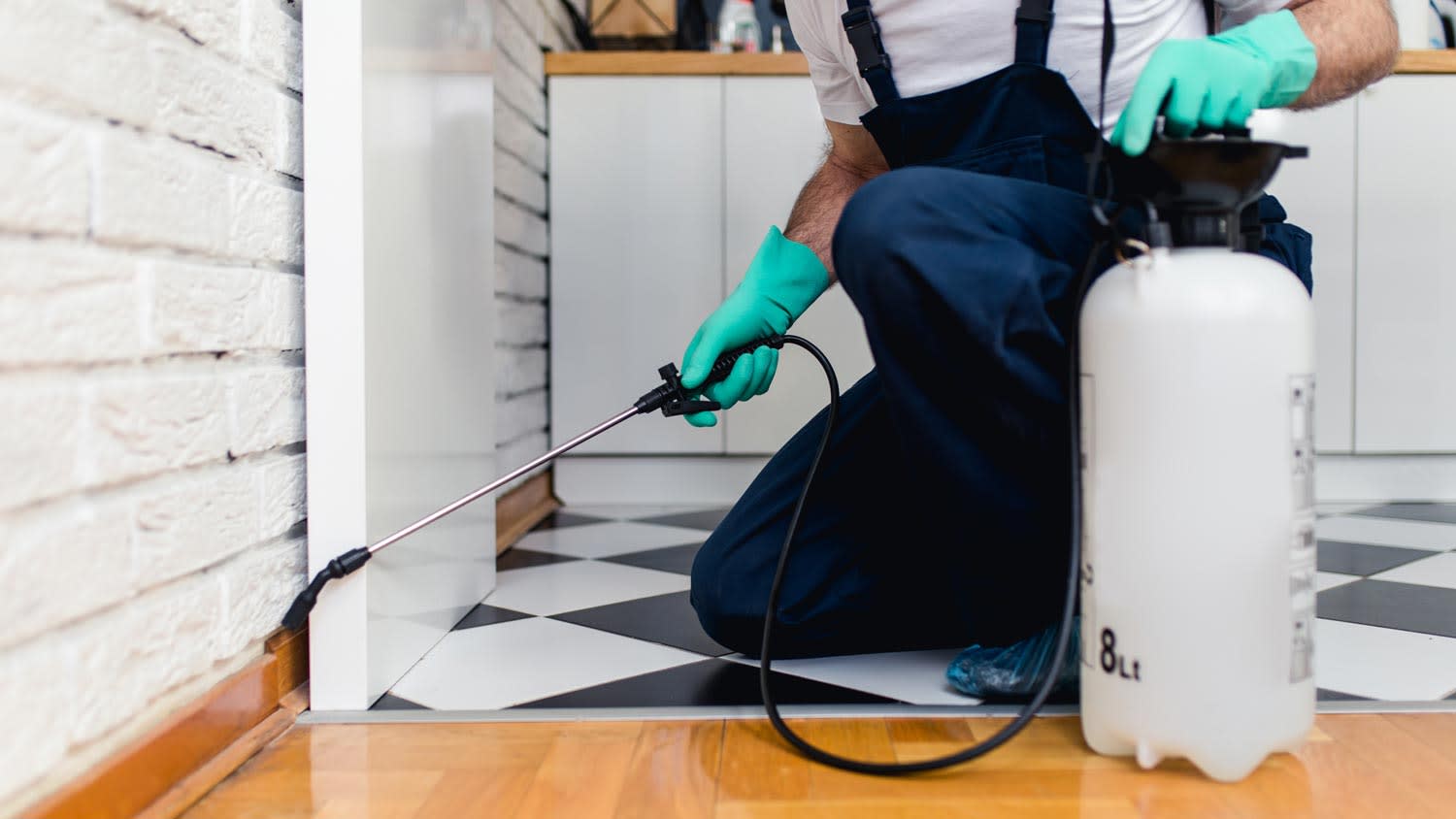
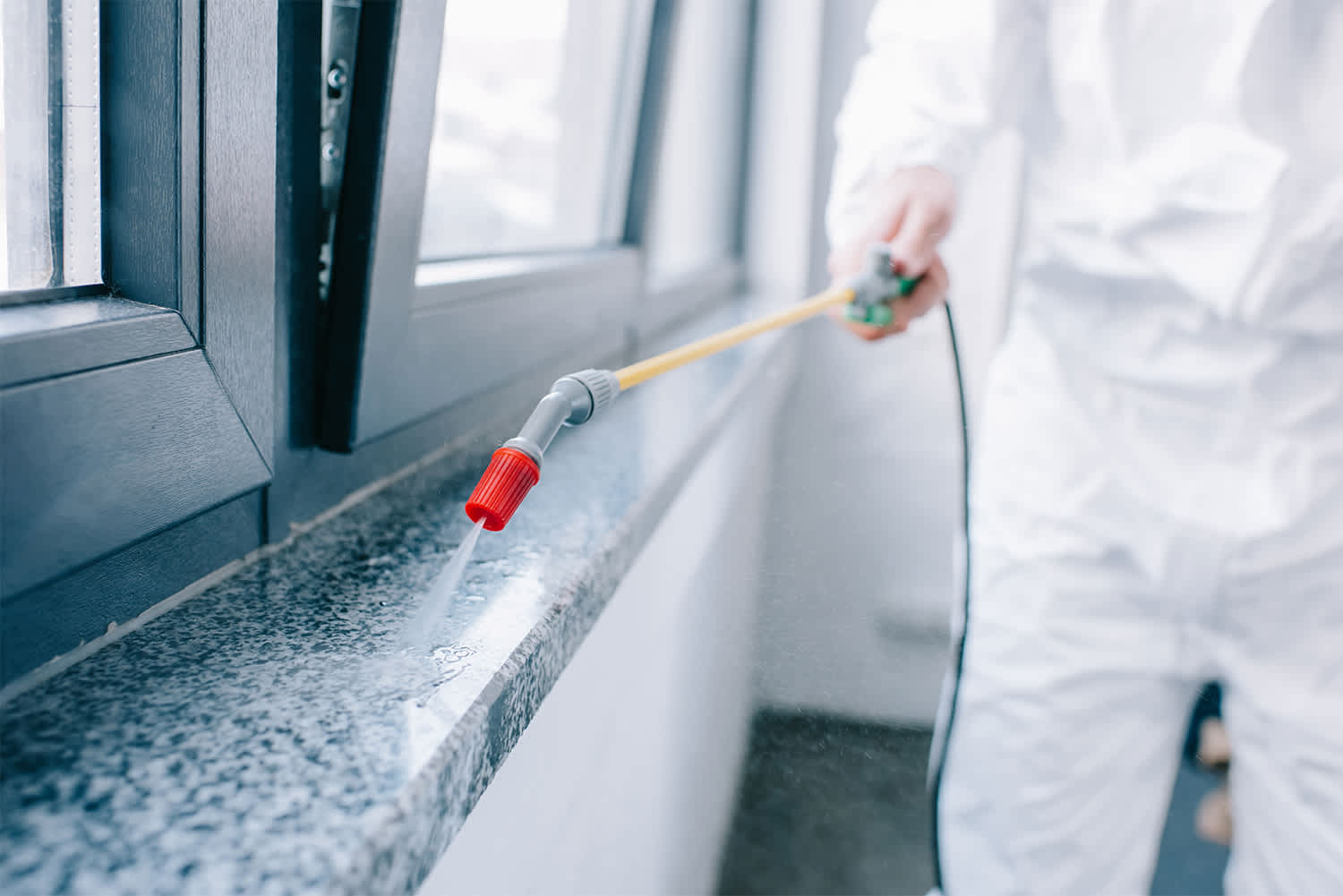
"Very knowledgeable guy who seem to know what he’s doing. Don’t know results of spraying. Have had much rain since. Will have to see if it worked. Terminex will spray again the beginning of next month."
Since 1932, Presto-X has been providing expert pest control services guided by the enduring principles of providing world class service to our customers and taking care of our colleagues. Presto-X covers your home or business with expert knowledge, professionally licensed and trained technicians, and exemplary service designed specifically for you.
"United Air Temp was able to procure a replacement furnace controller board in a couple of days and Zachary was out within 4 days of the initial visit. The furnace now works very well."
Common house roaches, typically American cockroaches or Periplaneta americana, usually live for around one year. The male American cockroaches survive for about one year, although the females may live up to 700 days. That’s because the reproductive cycle alone can last around 600 days for this type of cockroach.
To make sure the removal process goes smoothly, try asking your pro the following questions:
Are you licensed and insured?
How much experience do you have with relocating beehives?
Do you remove the honey and honeycomb?
Do you relocate the bees alive?
Do you have any references from previous clients?
Allowing wolf spiders to reside in your home can have benefits, as they serve as natural exterminators, preying on insects and pests that could become problematic. Their presence can help keep your residence relatively free of nuisance insects such as flies, ants, and cockroaches, reducing the need for chemical pesticides. Wolf spiders are generally not hostile towards humans, and their bites, although painful, usually don't result in a significant medical concern. If you can coexist peacefully with these spiders and recognize their role in maintaining a balanced ecosystem within your household, they can contribute to a healthier and pest-reduced environment.
No, wasps only attack when they feel threatened. A sting may seem unprovoked to us, but we likely got too close to a nest. Threatened wasps do, however, send out a strong pheromone that instantly attracts any other wasps in the area.
A solution of vinegar and water can deter moles, but be careful about the strength of the solution. Too much vinegar can dry out and kill grass or other plants when distributed too frequently.
The Hayfield, MN homeowners’ guide to pest control services
From average costs to expert advice, get all the answers you need to get your job done.