



Top-rated energy efficiency auditors.

Get matched with top energy efficiency auditors in Brainerd, MN

Enter your zip and get matched with up to 5 pros

Need a pro for your energy efficiency auditing project in Brainerd, MN?

Select your specific project to find the pro for you.

Find Energy efficiency auditors in Brainerd

Energy Efficiency Auditing questions, answered by experts

STC (Sound Transmission Class) is a rating that describes how well a building material or assembly blocks airborne sound. A higher STC rating means less noise will pass through the material, providing better sound reduction. This rating system applies to various building components, including windows, doors, flooring, drywall, and insulation.

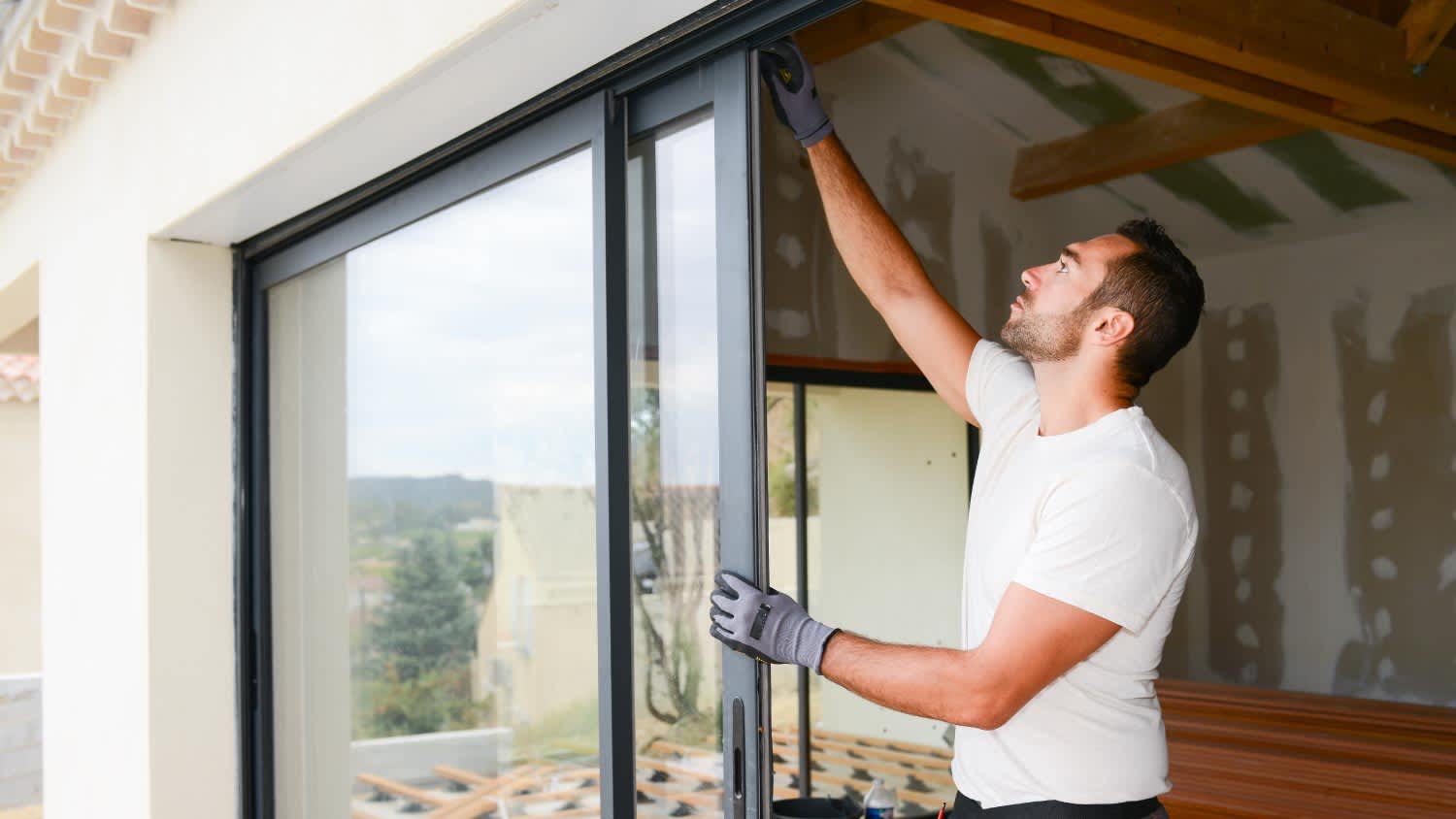
For context, a typical single-pane window has an STC rating of around 25 (where normal conversations are audible), while a well-sealed, double-pane window can exceed STC 45 (blocking loud speech and most music). It is important to note that for some products, like soundproofing drywall, the STC rating refers to the entire wall system, not just the individual panel.

Additionally, STC ratings are most effective for measuring sound reduction at mid-to-high frequencies, such as human speech, and may not accurately reflect how well a material blocks low-frequency sounds like bass music or thunder. Because of these factors, it is recommended to consult a professional to determine the right STC-rated materials for your specific soundproofing needs.

Motion-sensor lights use one watt while on standby and five watts while turned on. They’re usually on for one hour over a 24-hour period, bringing the total wattage to about 28 watts per day. LED lights use around 6.5 to 8 watts while on. If you leave an LED light on all night, with night ranging from 10 to 14 hours, you’re looking at using 65 to 112 watts a night. You can minimally cut your wattage in half by switching to a motion-sensor light.

There are energy-efficient options when building a cottage. Select green building materials, high-performance insulation, and energy-efficient windows when designing your cottage. Options such as solar panels, efficient HVAC systems, and LED lighting can lower your utility bills and reduce your environmental impact. Many builders offer energy-efficient upgrades as part of the design process.

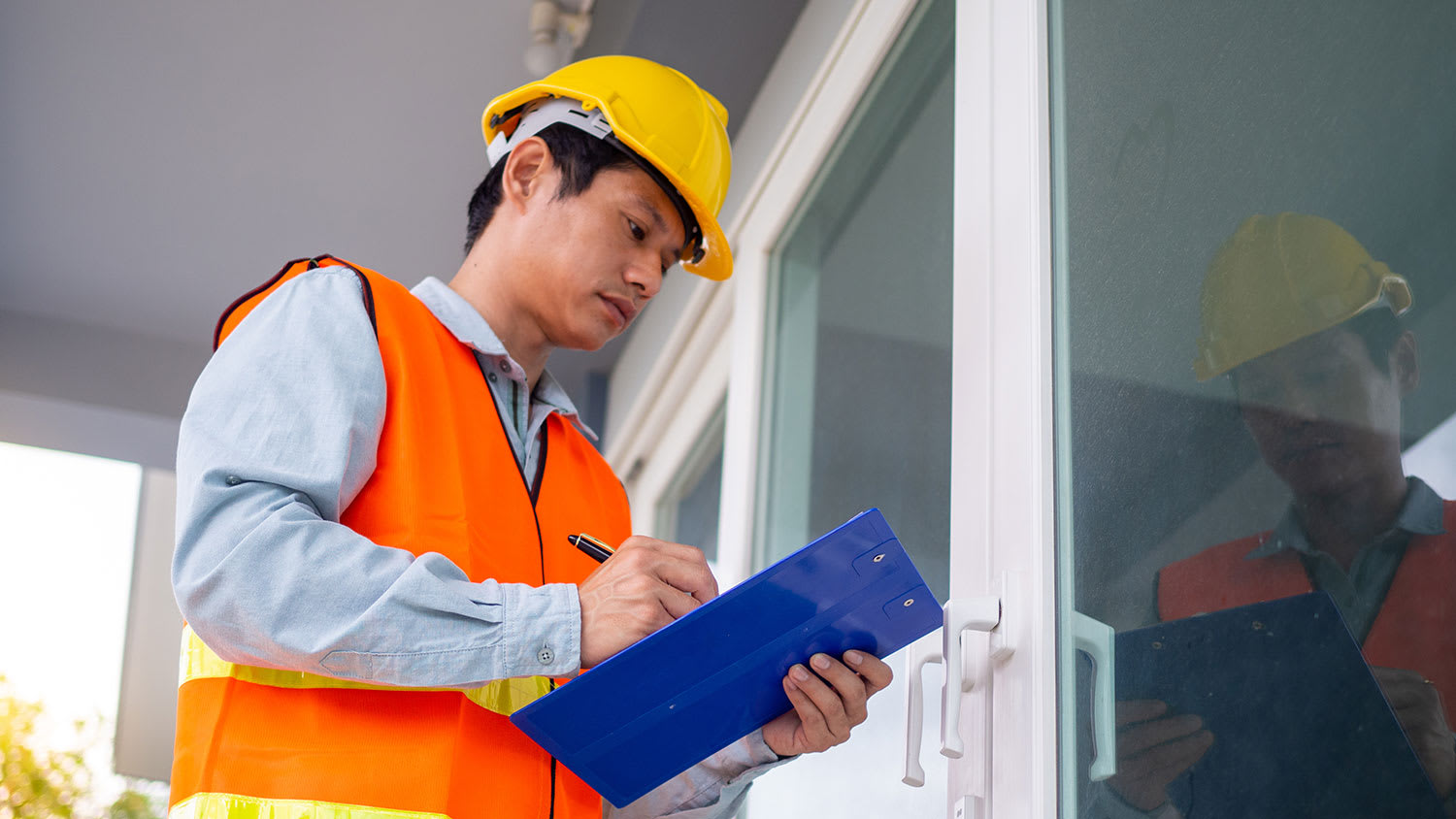
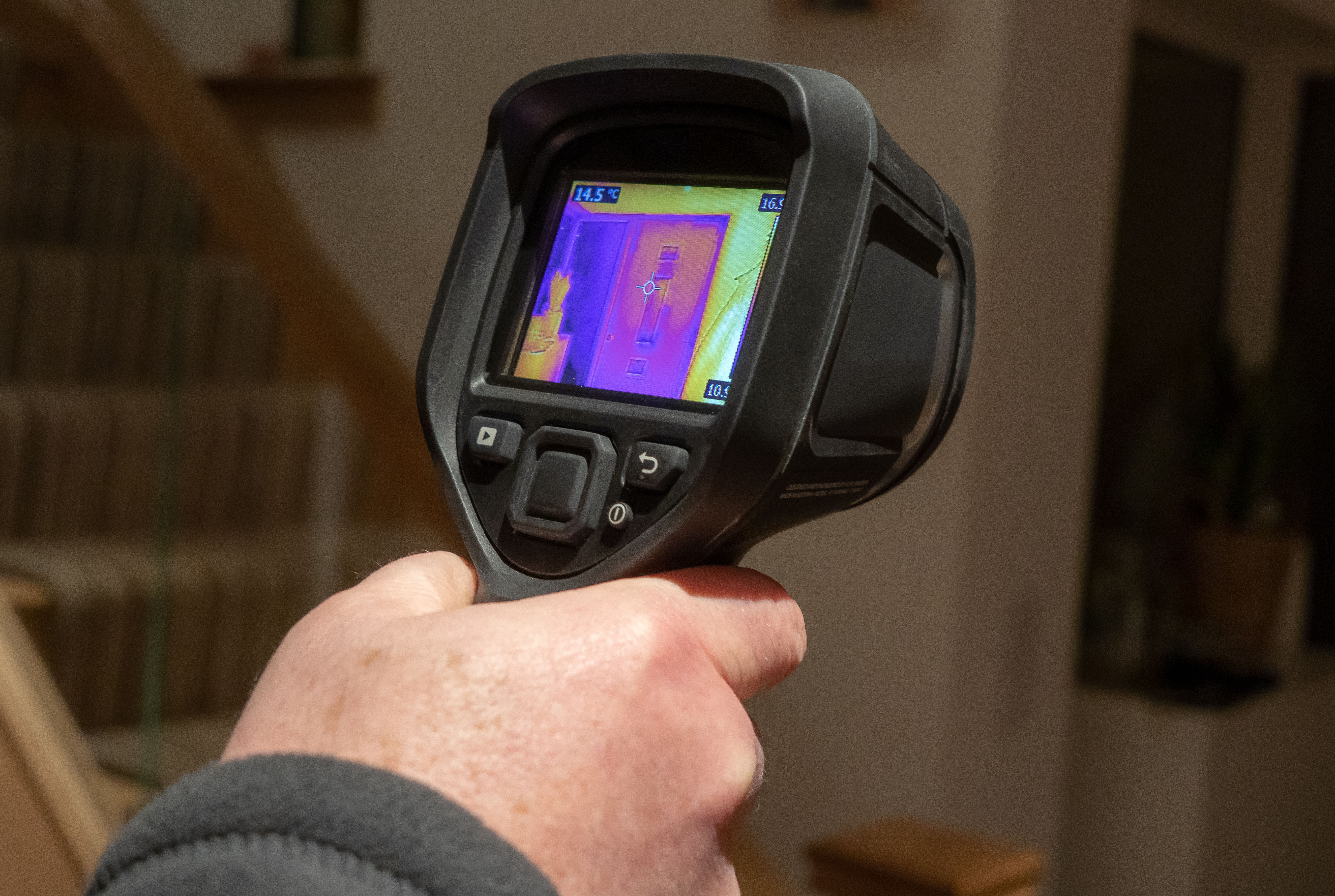
Depending on the level of audit you choose, a home energy audit will at least include a walk-through of the home to determine visible inefficiencies, but may include testing and a highly detailed inspection and report laying out the home’s inefficiencies and providing recommendations to fix those issues. The audit may also include a review of utility bills and mechanical testing. Consult your home energy auditor about the types of services they provide before hiring.

The three levels of home energy audits include:

  • Level 1: Review of your energy bills and home for signs of energy inefficiency and areas for improvement. The average cost range is $0.08 to $0.12 per square foot.

  • Level 2: A level 2 ASHRAE energy audit costs $0.12 and $0.35 per square foot. In-depth analysis of your energy usage and provides a report of cost-saving changes.

  • Level 3: Comprehensive analysis and detailed recommendations for ways to improve your home’s energy efficiency. A level 3 audit costs about $0.36 to $0.50 per square foot.

The Brainerd, MN homeowners’ guide to energy efficiency auditing services

From average costs to expert advice, get all the answers you need to get your job done.