




Top-rated landscapers.

Get matched with top landscapers in Whitehall, MI

Enter your zip and get matched with up to 5 pros

Need a pro for your landscaping project in Whitehall, MI?

Select your specific project to find the pro for you.

TRUSTED BY WHITEHALL, MI HOMEOWNERS

  • Average homeowner rating star icon4.8
    Average homeowner rating
  • Verified reviews icon29
    Verified landscaping services reviews

Find Landscapers in Whitehall

Avatar for Rough to Ready Grading
Rough to Ready Grading
4.9(
14
)
Landscape - Minor Grading or ReslopingLandscape - Minor Grading or Resloping - For Business

Serving Whitehall, MI and surrounding areas

Approved

In business since 2025

Free estimates

Small jobs welcome

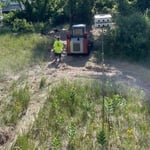
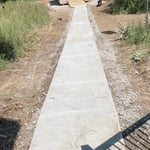
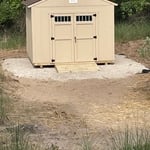
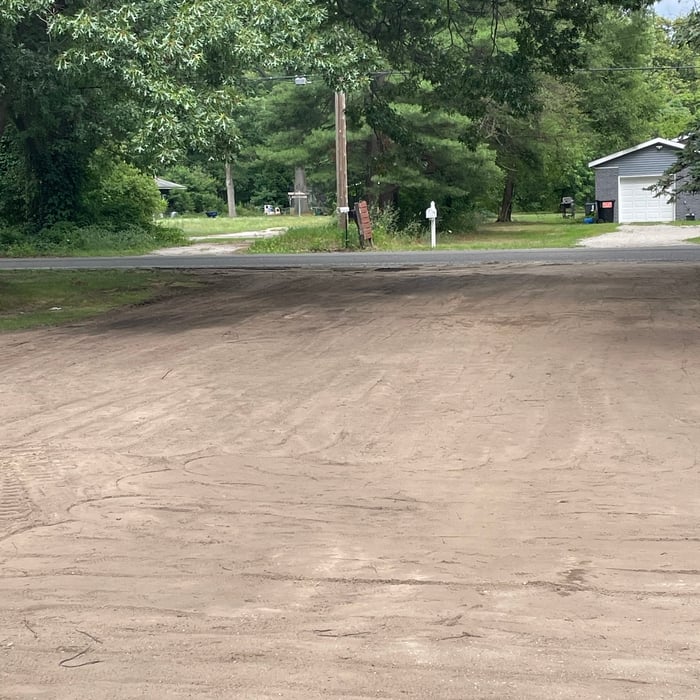
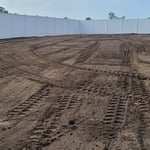
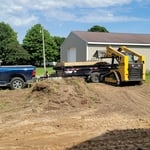
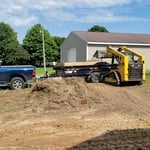
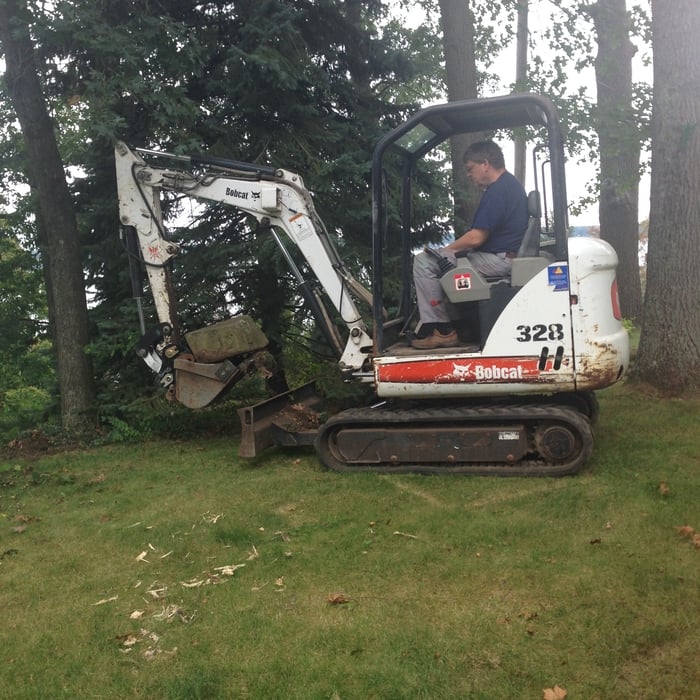
"My driveway had at least 3 puddles every single time it rained no matter how little rain there was my driveway tried recreate great lakes. Rough to ready grading was happy to take a look at our problem and explain to us what was going on and how to fix it. It took a day for my driveway to go from a muddy mess, to a nice smooth path to drive on."
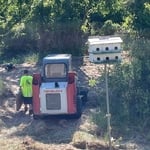
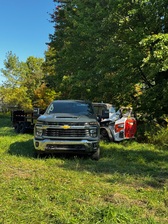
before pad install
before pad
Finished Job
Finished pad w/ shed
finished driveway

+6

Response time2 hrs
Response rate92%
16 neighbors recently requested a quote
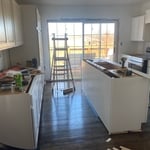
ARP Designs, LLC
New to Angi
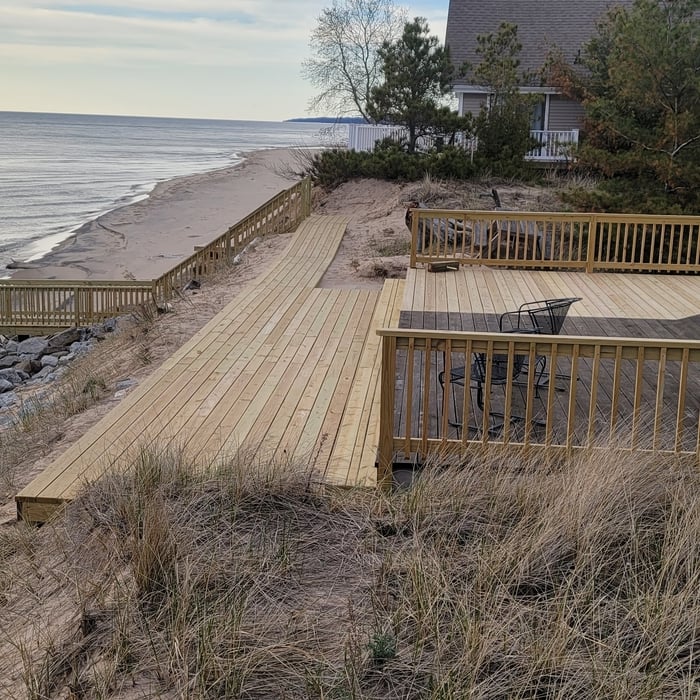
Landscape - Minor Grading or ReslopingRetaining Wall - InstallSod - Install+2 more

Serving Whitehall, MI and surrounding areas

Approved

In business since 2019

Small jobs welcome

Offers commercial services

We take great pride in our experience, expertise, quality, and customer service that we provide to meet the consumer's needs. It is our mission to provide excellent workmanship and complete customer satisfaction from start to completion of a project. In order to understand the needs and expectations of our customers, we take great care to work and communicate with every customer in a professional manner. Our reputation is based on service, safety, and quality, regardless of how large or small the job.

10 neighbors recently requested a quote
...
Showing 1-10 of 142
Landscaping questions, answered by experts

The best time to plant a tree is in the spring, so the roots have time to grow into the surrounding soil before winter sets in. Some people recommend planting in the late fall. However, planting in the spring reduces the stress on the tree, as it will be emerging from dormancy, giving it the full spring and summer ahead to acclimate and put down roots into the soil.

The average cost for landscaping is around $3,500, but prices can range from as low as $200 for simple DIY projects to $14,000 or more for extensive work. Several factors influence the final price, including your geographic location, yard size, project scope, chosen materials, site preparation, and the type of landscaping involved. Professional landscaper labor costs typically range from $50 to $100 per hour.

For a smaller budget, you can focus on softscaping projects like adding mulch, flowers, and shrubs, which might only cost a few hundred dollars if you do the work yourself. A budget of around $5,000 could cover projects like a simple patio, new plants and tree trimming, or a water feature. More extensive hardscaping projects, such as pergolas, patios, and walkways, can push the budget to $14,000 or more. For example, a flower bed installation averages between $800 and $3,000, while landscape lighting installation can cost from $2,000 to $6,000.

When planting, it's best to leave several feet between a house and a juniper bush. Many juniper varieties will become quite bushy and require space to grow. Juniper branches that come into contact with siding can damage the home's exterior over time. Also, some juniper bushes have aggressive roots that can put pressure on a home's foundation or basement walls. 

You should exercise care when deciding how to landscape over a leach field for your septic system. You typically want lightweight materials that won’t damage the drain field’s perforated pipes. When adding plants to the area, select plants with shallow roots, such as grass or flower gardens. Trees with deep roots could damage the pipes in the field.

A scattering of leaves won’t pose a problem through the winter, but a thicker layer of leaves may not decompose before the first frost and can instead weigh down your grass and harbor mold or fungi. A thick layer of leaves also cuts off light and air that grass needs to grow. That’s why we suggest removing thick leaf layers within several days if possible. If your lawn goes dormant over the winter and snow has already caught up with you, then remove the leaves in early spring before your grass-growing season starts so your lawn can thrive.

The Whitehall, MI homeowners’ guide to landscaping services

From average costs to expert advice, get all the answers you need to get your job done.